
 4 years ago
7
4 years ago
7
ARTICLE AD BOX
Gotham highlights mental health.
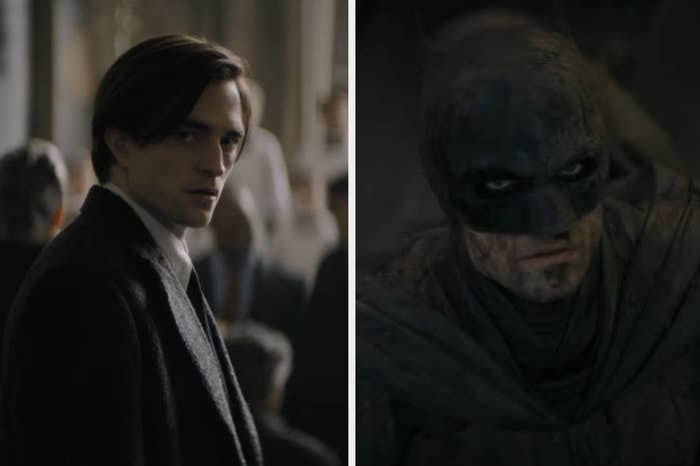
It's clear that Batman and almost every villain he's faced in Gotham are dealing with mental illness.
Warner Bros. / Via YouTube
However, Matt Reeves' take on the Dark Knight delved into the psychology of the city's characters more than any film that came before. Though many of the characters may contribute to the stigma surrounding mental illness, the film still presents problems concerning how we deal with mental illness in our society while delivering an empowering message about overcoming trauma. Because of this, we're going to take a look at the 10 Times The Batman Addressed Mental Health.
WARNING: MAJOR SPOILERS AND SENSITIVE CONTENT AHEAD!!!
10. Sleepless Nights
Warner Bros. / Via YouTube
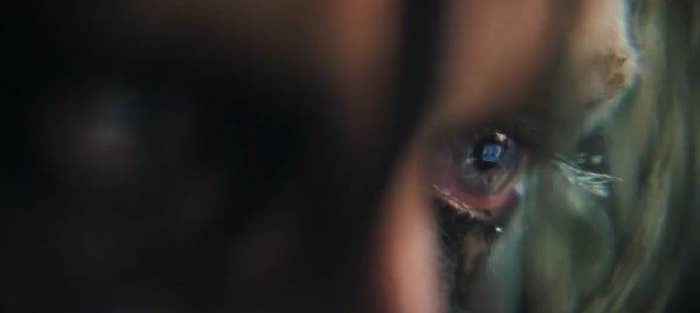
At the beginning of the film, Bruce says that he has spent so many nights awake as Batman that he can hardly remember everything he witnessed during his rounds, relying on wearing camera eye contacts to record everything he sees. Clearly, not getting any sleep can be bad for one's brain, and Bruce's long nights as a vigilante are seemingly causing him to lose his grip on reality.
9. Batman Meets the Joker

View this video on YouTube
Warner Bros. / Via youtube.comThough this moment was deleted from the film, it is still worth mentioning. In this scene, Batman meets with the Joker to understand how the Riddler thinks. The Joker points out that Batman and the Riddler have a lot in common, as they're both "masked avengers" with "unhealed wounds." Though Batman tries to deny he's anything like him, the Joker claims that deep down, he agrees with the Riddler's actions, showing that Bruce isn't fully acknowledging the depths of his anger, making him more at risk of losing control of it.
8. Batman's Death Wish
Warner Bros. / Via YouTube
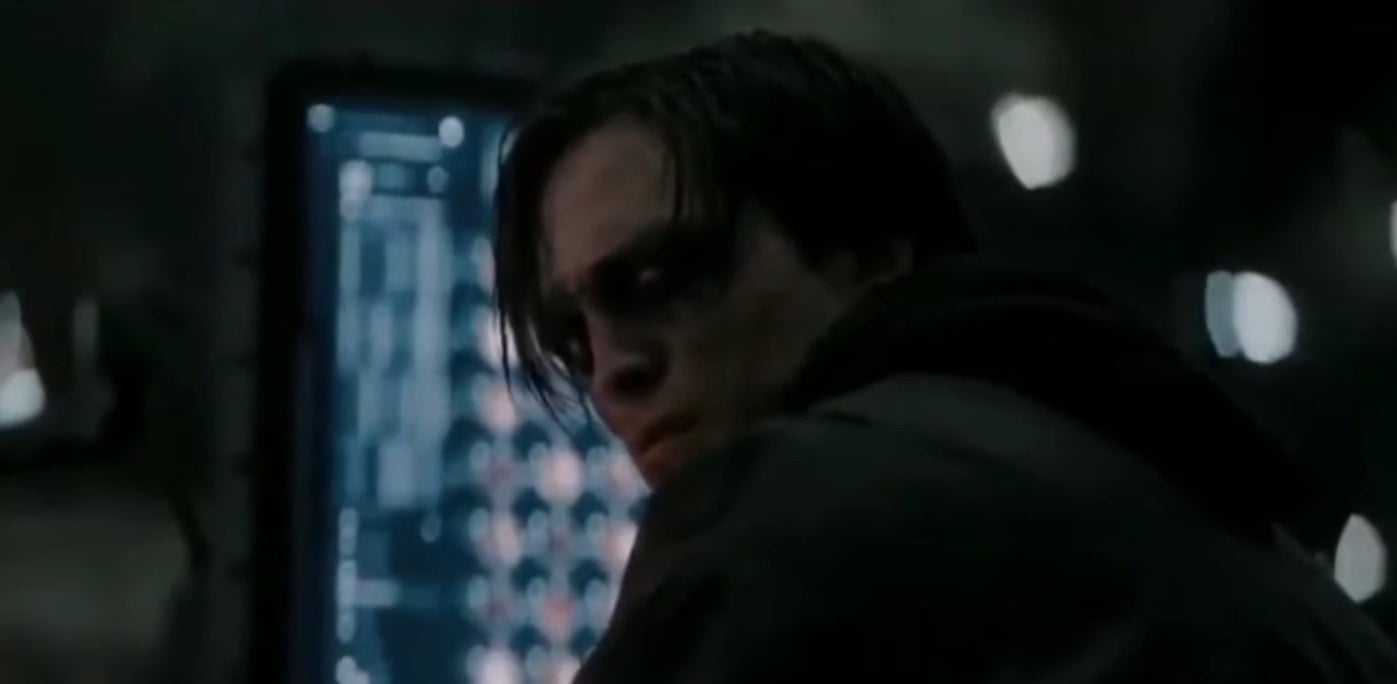
When Bruce refuses to hold a company breakfast, Alfred warns Bruce that he has to keep his business afloat or else he'll lose everything. However, Bruce argues that he doesn't care what happens to him or his company, and that Alfred isn't his father. It's a harsh blow that displays that Bruce is willing to risk everything, including his own life, as he thinks he has nothing to lose, which is what people living with mental illness sometimes think.
7. A Recluse Bruce

Warner Bros. / Via YouTube
In contrast with the billionaire playboy persona Bruce typically has in public, Robert Pattinson's version of the character spends his days isolated from the rest of Gotham when he's not patrolling the city. According to Reeves, he based Bruce's solitary behavior on the late Kurt Cobain, who had depression and died by suicide. Spending all that time alone hasn't been good for Bruce's mental health, as it's left him neglecting his own needs and the needs of everyone in Gotham.
6. The Riddler's Backstory

Warner Bros. / Via YouTube
When Batman meets Edward in Arkham, we finally learn how the latter became the Riddler. After his orphanage lost support from Thomas Wayne's Renewal Fund, he and the other children had to continue living in poverty, with many of them dying from the cold or using drugs to cope with their pain.
Much like Joaquin Phoenix's Joker, the Riddler was neglected and mistreated by society, which led to him having a mental illness and also becoming a cold-blooded killer. His villainous actions also bring up the issue of how lower-class people are denied the care they need to be both physically and mentally healthy. And if Bruce had donated his money instead of using it to be Batman, he could've prevented another generation of people from suffering in poverty like the Riddler.
5. Martha's Secret
Warner Bros. / Via YouTube
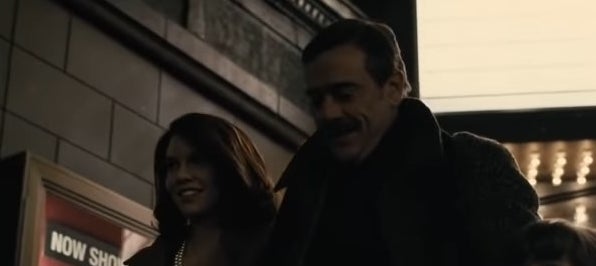
About halfway into the film, Riddler reveals that Bruce's mother, Martha, spent time in Arkham Asylum after her parents' murder-suicide, and that Thomas Wayne tried to cover this up with Falcone's help. Though Thomas wanted Falcone to intimidate the reporter who planned to expose Martha, the mob boss decided to have him murdered instead. This shocking twist tells us a lot about the stigma concerning mental illness in our society that Thomas Wayne would go so far as to threaten a reporter with the help of the mob just to hide that his wife had a mental illness.
4. High on Rage
Warner Bros. / Via YouTube
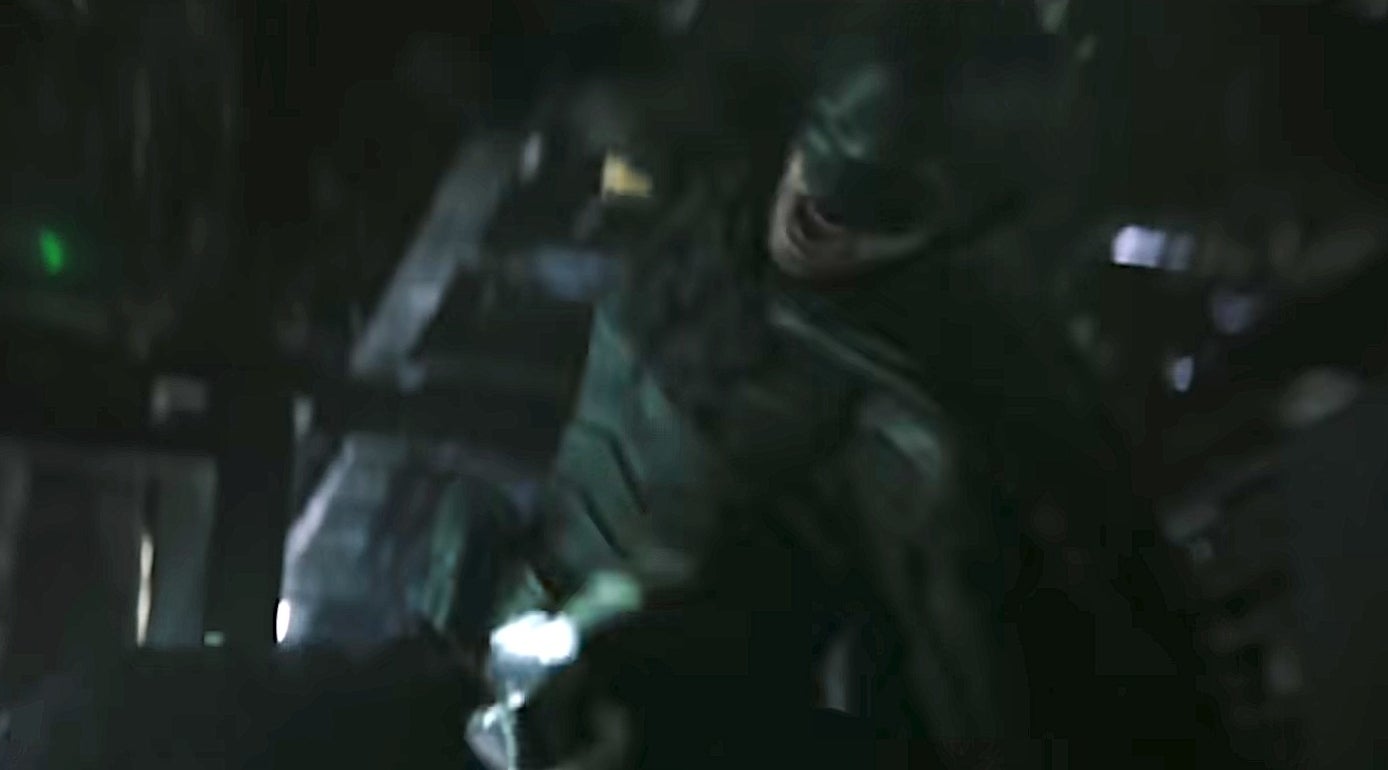
During the battle against Riddler's henchmen, Bruce becomes so weak that he resorts to injecting himself with adrenaline to keep fighting. Though he gets back on his feet, he nearly loses all control of himself as he beats a gunman almost to death. Much like the "dropheads" seen throughout the film, this scene metaphorically shows how Bruce has become addicted to rage and violence to cope with his trauma, and it nearly drove him past the line he dare not cross.
3. "I'm Vengeance"

Warner Bros. / Via YouTube
After Batman fights the last of Riddler's followers, Jim Gordon unmasks this gunman and asks who he is. In a surprise twist, this man says he's "vengeance," just like Bruce, which shows him just how unhealthy his violent war against Gotham's criminals really is. Bruce tried to separate himself from all the evildoers in the city by fighting for peace without resorting to murder, but he wasn't as different from them as he thought, and he was only adding fuel to the fire by inspiring his enemies.
2. Bruce Visits Alfred
Warner Bros. / Via YouTube
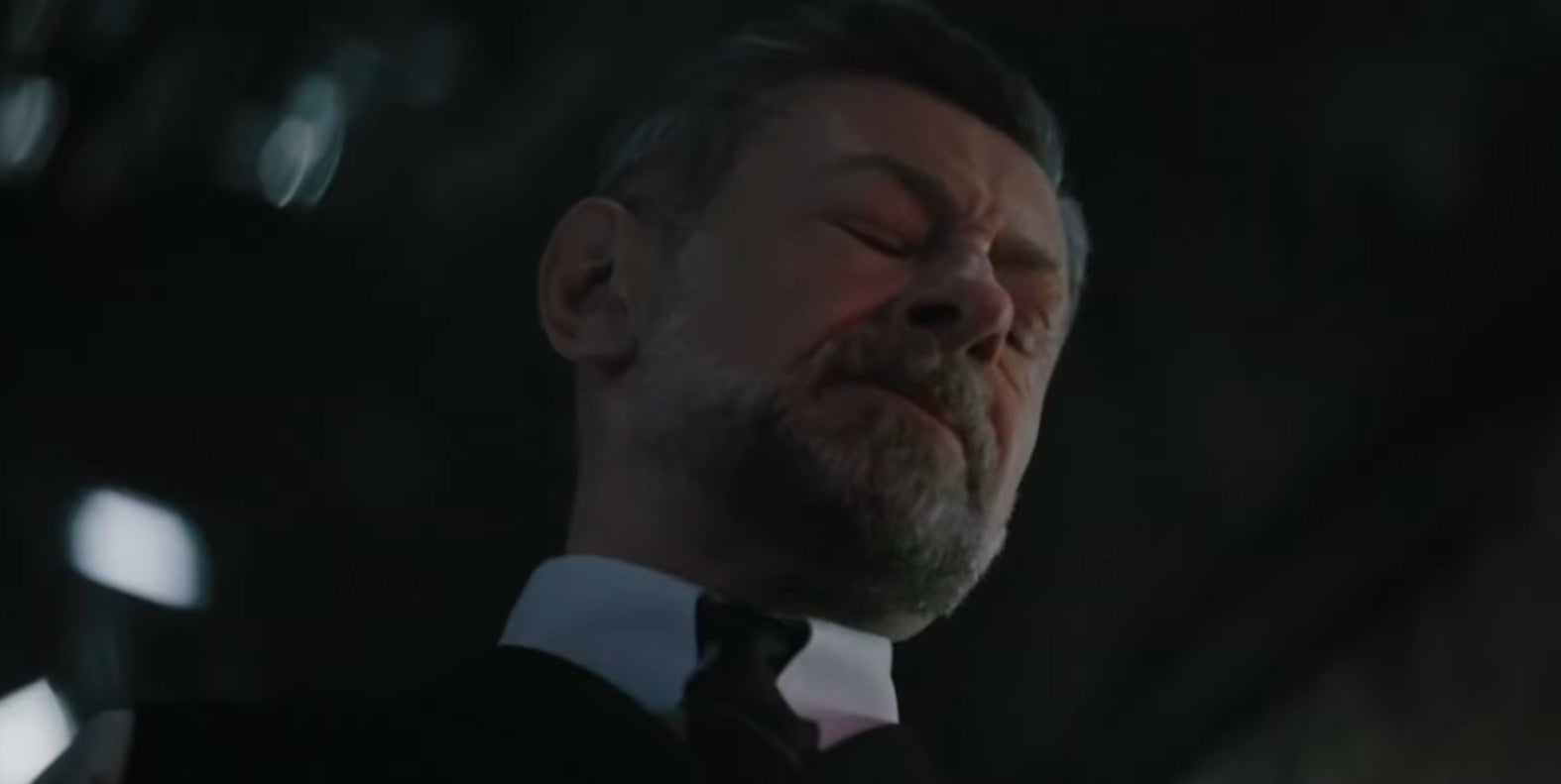
When Bruce visits Alfred in the hospital, the former confronts his guardian about keeping the truth about his parents secret. After Alfred reassures him that his father was indeed a good man who made a mistake, Bruce admits he felt fear when he thought he had lost Alfred to the Riddler. Not only did Bruce realize he had something worth living for, but he learned that he couldn't get just rid of the fear he tried to weaponize as Batman. None of us can just ignore our problems. Instead, we must face them and try to overcome them.
1. Scars

Warner Bros. / Via YouTube
As the people of Gotham recover from the citywide flood, Bruce says in a voiceover that vengeance can't change the past and that scars have the power to destroy you, but that surviving them can make you stronger. It's a positive outlook on mental illness, as learning to live with it can make you a better person. Bruce also argues against looking toward the past by seeking revenge and supports looking to the future with hope.





 English (US) ·