
 4 years ago
6
4 years ago
6
ARTICLE AD BOX
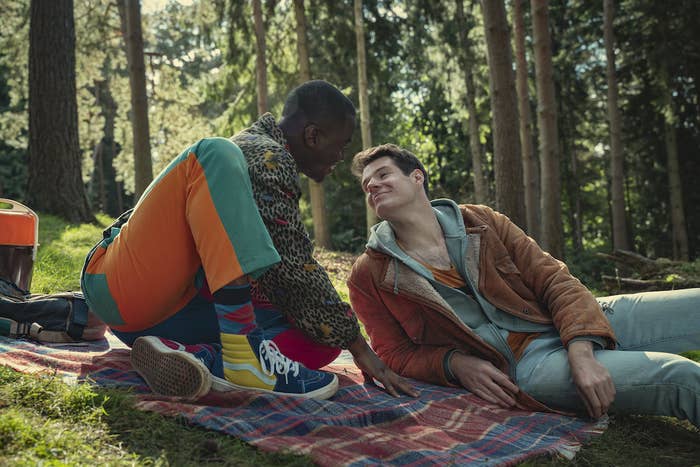
Shout out to Sex Education for letting Adam actually say the word "bisexual."
Over the years, we've started to see more queer representation in TV and movies, which is great!
Sam Taylor / Netflix / Courtesy Netflix Media Cente
However, it seems like there's still a LOT Hollywood gets wrong when it comes to bisexuality. Although bisexuals make up the largest group in the LGBTQ community, we're still pretty underrepresented in TV and movies. And when we do get bisexual representation, it's often...not the best.
MTV
In fairness, Faking It did at least sort of attempt to frame Shane as wrong here, but I still feel like the show didn't handle bisexuality all that well.
Here are 11 tired tropes about bisexuality that should honestly be retired from TV and movies:
1. First of all, never actually using the word "bisexual."
FOX
There are some people who prefer to not label themselves, and that's completely fine. But so many TV shows and movies skirt around the term and treat "bisexual" like it's a dirty word. It's not a bad word! You can just have characters call themselves bisexual, I promise. I can't speak for everyone, but I personally feel like it would have been more helpful for me to see more characters outright identify as bisexual back when I was trying to figure out my own sexuality.
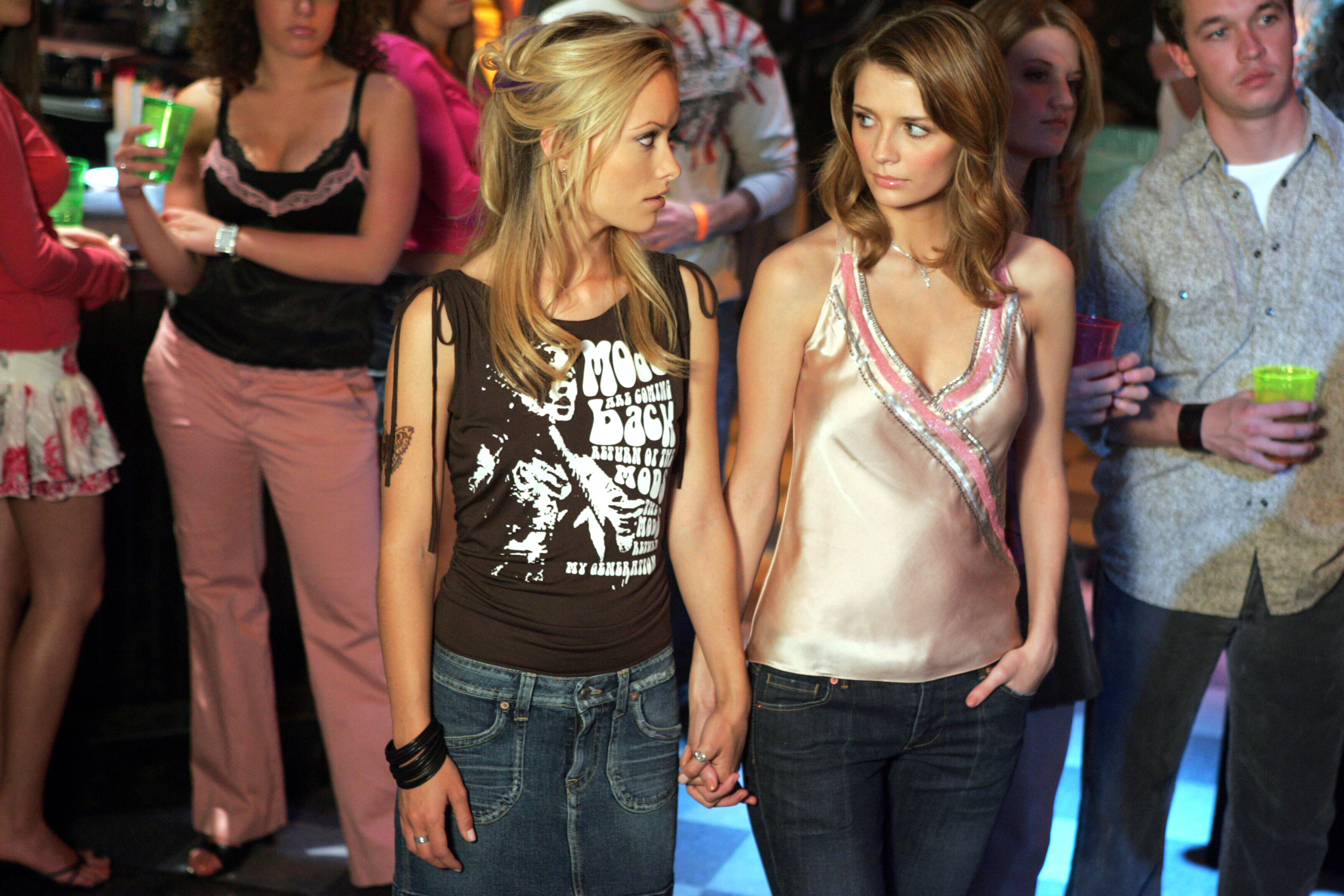
2. If a character shows interest in someone of the same gender, that person is often treated like their "one exception" or it's simply dismissed as a phase.
Warner Bros / Courtesy Everett Collection
Now, sexuality is complicated and different for everyone. Some bisexual people will only ever have one same-sex relationship or experience — or none at all — and they're still bisexual. Sometimes people also come to the conclusion that they're not bisexual after all, and that's okay too. HOWEVER. TV and movies definitely have a bad habit of only ever letting a character show attraction to one person of the same gender. Often, it feels like a character's bisexuality is treated like it's completely dependent on a particular love interest — and if that relationship ends, the character's queerness is just dropped altogether.
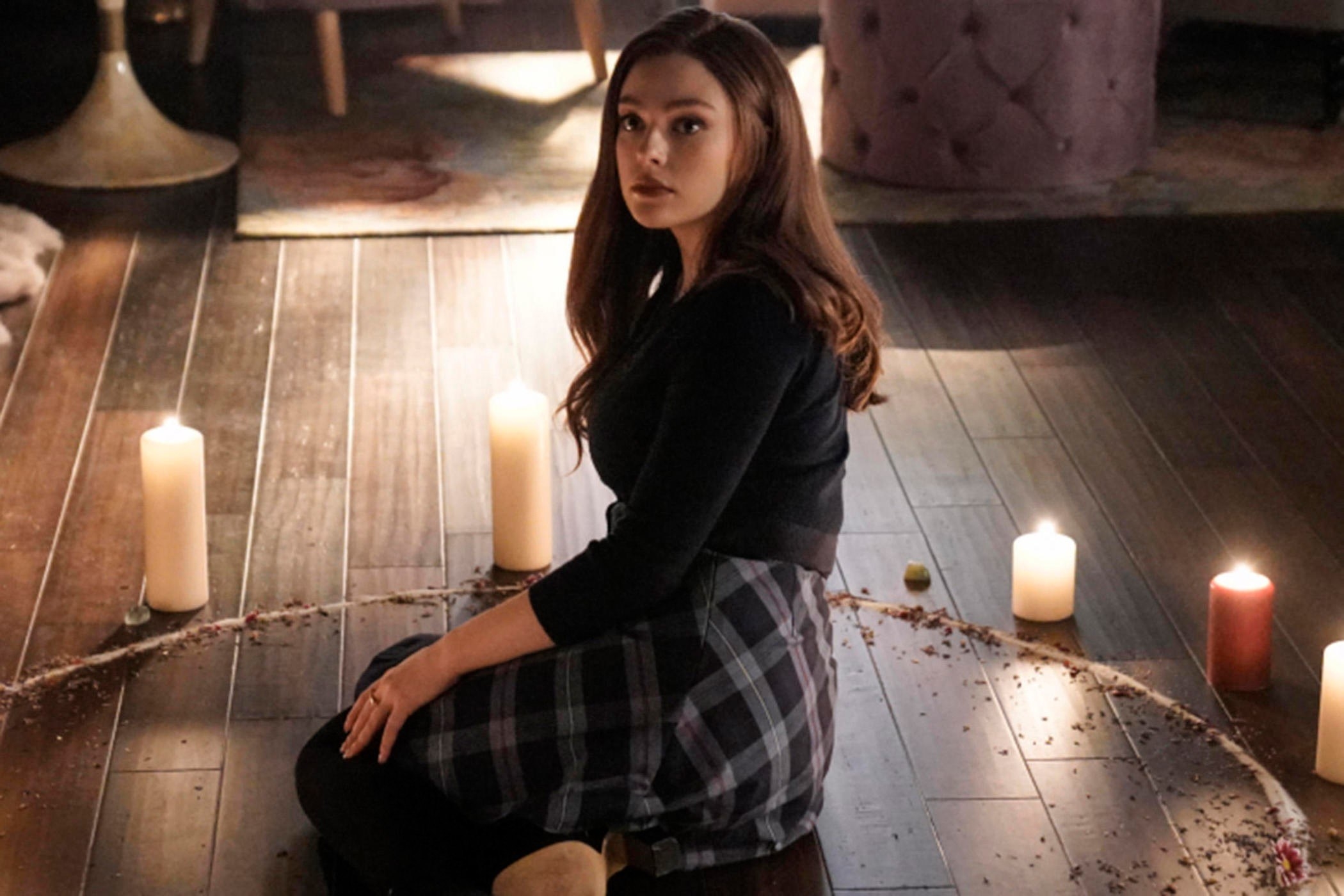
3. Strongly hinting that a character is bisexual — or confirming it off-screen — but never actually exploring their sexuality.
The CW / Courtesy Everett Collection
To be clear, I actually don't think a bisexual character necessarily needs to date someone of the same gender in order to be "good" representation, and bi characters in opposite-gender relationships are absolutely still bisexual. However, if you want a character to be bisexual, then write them as bisexual. Don't just make off-hand remarks that are never elaborated on and think that counts as representation. Queerness is an integral part of a character's identity — it's not just a shipping thing. For example, Hope Mikaelson from Legacies is 100% bisexual whether she's dating Landon, Josie, or nobody at all — but I would really, really like the show to actually let her character speak openly about her sexuality and explore it more.
4. Completely erasing a character's attraction to the opposite gender just because they're in a same-sex relationship, or vice versa.
Fox
To be clear, it's totally possible — and not uncommon — for someone to have relationships with one gender and then later realize they're not actually attracted to that gender at all. However, bisexuality isn't dependent on relationship status, and a character entering a same-sex relationship doesn't automatically invalidate their previous relationships (and vice versa). For example, Buffy the Vampire Slayer creator Joss Whedon revealed in an interview that Willow was intended to be bisexual, but the networks advised against it. I'm bisexual when I'm dating a guy, I'm bisexual when I'm dating a girl or non-binary person, and I'm bisexual when I'm single. The same should go for bisexual characters!
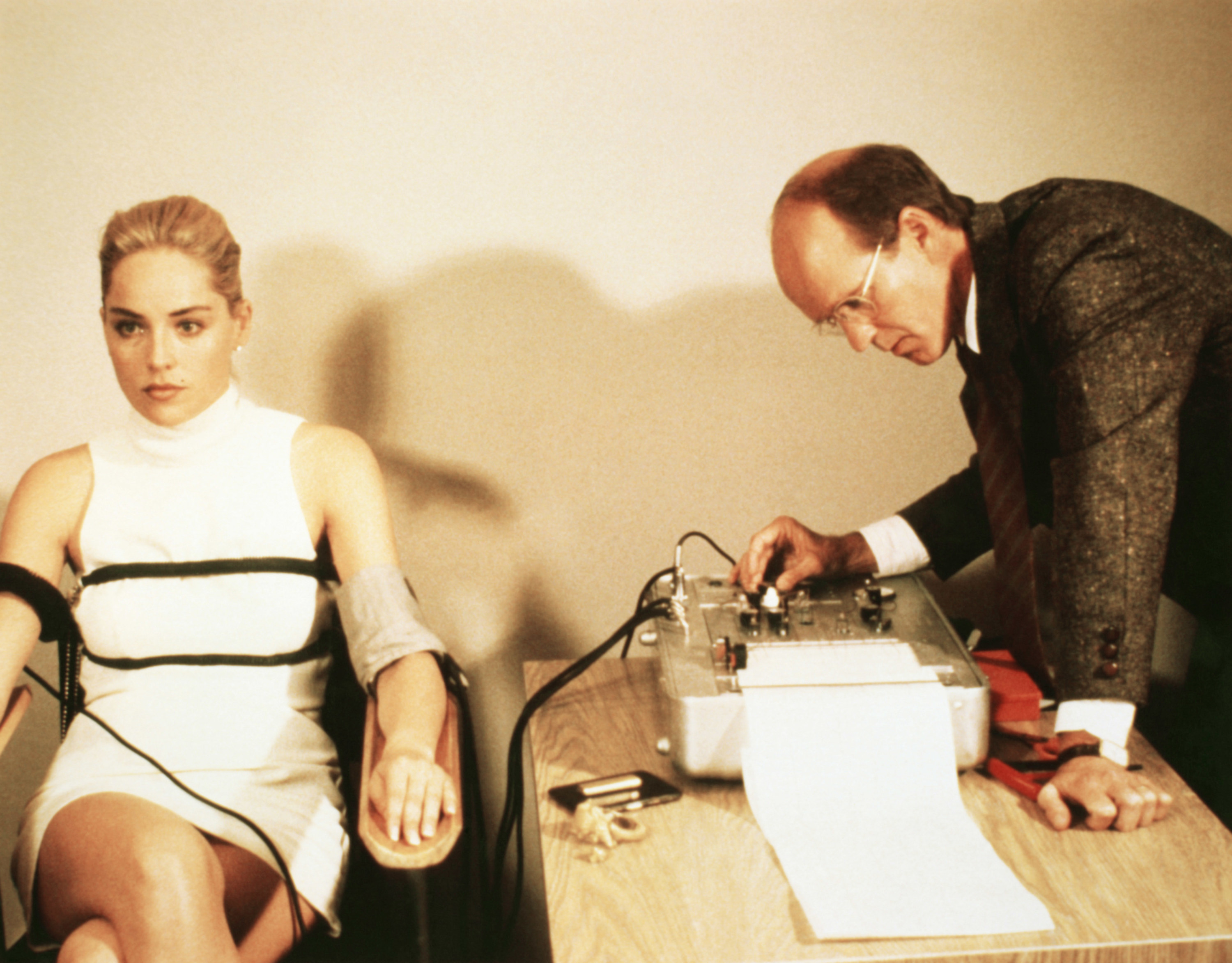
5. Always making the bisexual character the bad guy.
Tristar Pictures / Courtesy Everett Collection
I love villains as much as anyone, and I certainly have a few bisexual faves who fall under this category. But when bisexual characters are always the bad guy? It just sends a weird message to me. I'd like to see more bisexual characters of all kinds (more bisexual superheroes, please!) to balance it out. It also doesn't sit right with me how often bisexual characters are made out to be in the wrong or like they're "the problem" in their relationships.
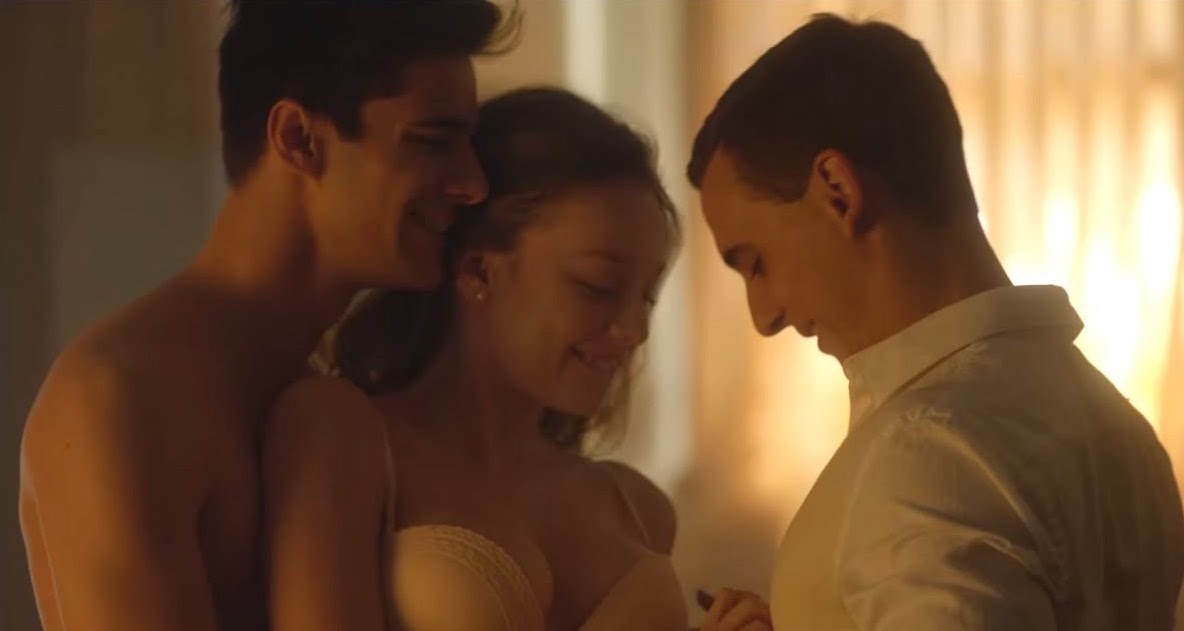
6. Acting like all bisexuals are greedy, promiscuous, or obsessed with sex.
Netflix
Some bisexual people are into casual sex and non-monogamy, and that's totally cool. But there are also plenty who aren't, and bisexuality does not automatically equal being obsessed with sex. Seriously, it's not a requirement for every single bisexual character to have a threesome scene.
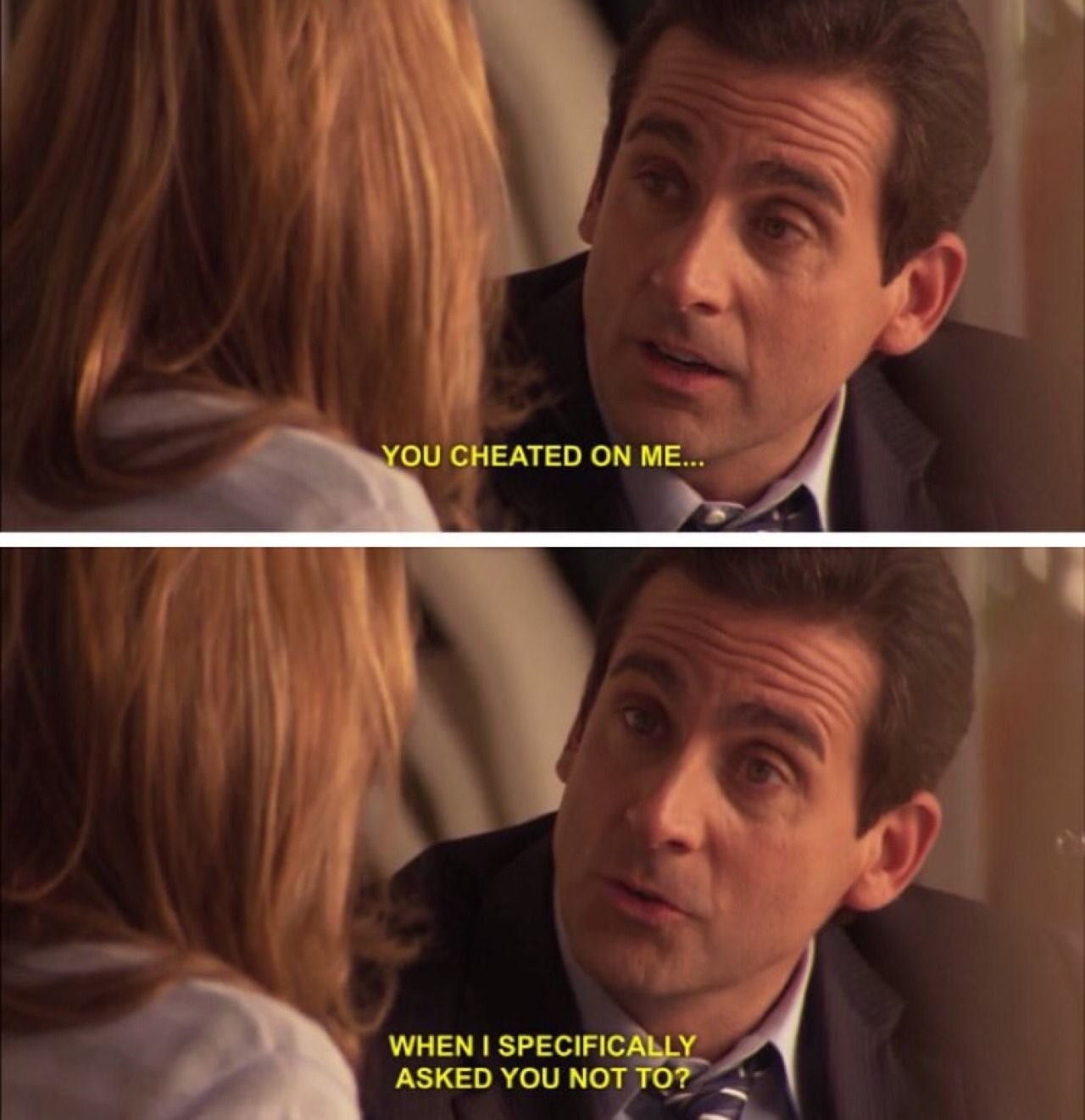
7. The stereotype that bisexual people are cheaters, or the assumption that no bisexual person can ever be happy in a monogamous relationship.
NBC
No, bisexual people aren't "twice as likely to cheat." Really! And while some bisexuals may prefer polyamory or casual relationships (which is fine!), it's also totally possible for us to be happy in long-term monogamous relationships. There have been some exceptions in recent years, it still feels like it's pretty rare that we get to see bisexual characters in healthy committed relationships.
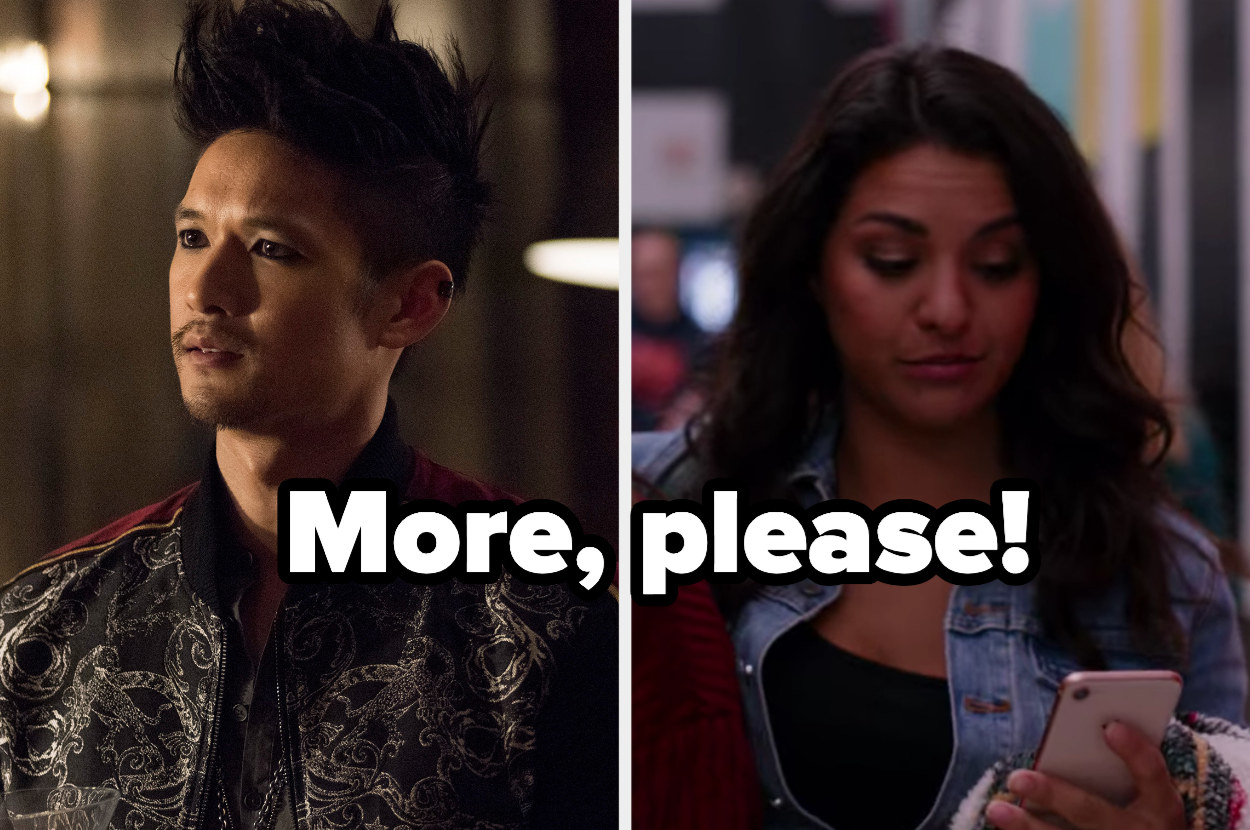
8. The lack of bisexual characters of color.
Netflix / Freeform / Courtesy Everett Collection
This is less of a trope and more of an area that needs improvement. Although we've gotten some great bisexual characters of color over the past few years (Rosa from Brooklyn Nine-Nine, Magnus from Shadowhunters, and Callie from Grey's Anatomy come to mind), it still doesn't feel like we're represented nearly enough. A 2015 study from GLADD found that the overwhelming majority of queer TV characters were still white. More intersectionality, please!
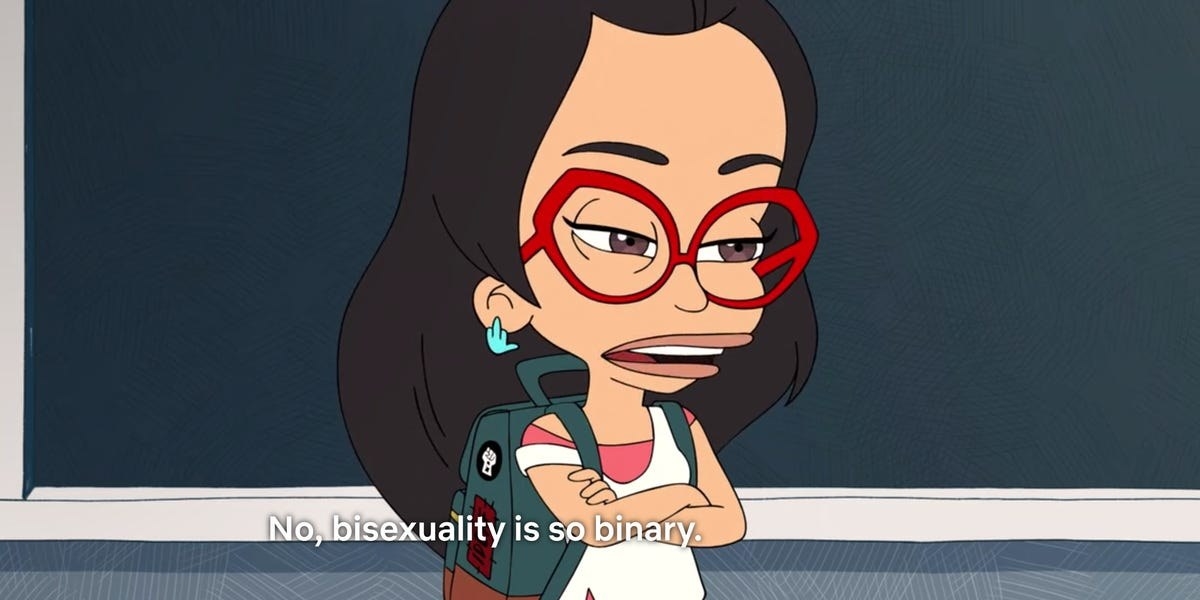
9. The misconception that bisexuality excludes trans and non-binary people.
Netflix
Look, Big Mouth is Big Mouth. It's a cartoon about middle schoolers going through puberty, I don't expect it to be some amazing educational tool. But they still got this SO wrong. Bisexuality has always included trans and non-binary people. Pansexuality is absolutely totally valid too, but it doesn't mean bisexuality is "binary."
10. Pairing bisexual characters with love interests who are anti-bi and never addressing it as a problem.
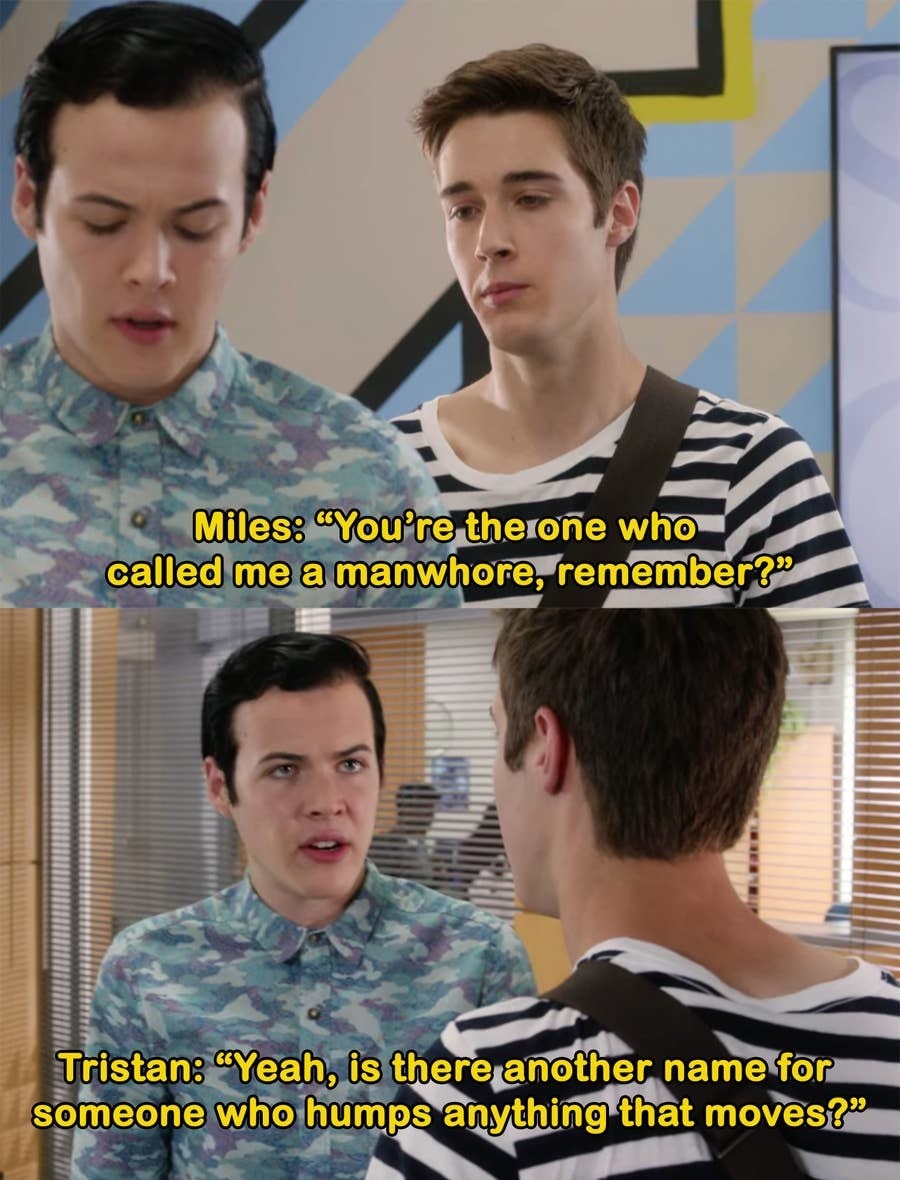
Netflix
For once, can we just have a bisexual character date someone who's not bothered by their sexuality? Why does it ALWAYS have to be an issue? And, perhaps more importantly, why are anti-bi remarks almost never framed as wrong? A lot of the time, it feels like the character essentially has to apologize for being bisexual. It's true that bi people often face discrimination from both outside and within the LGBTQ community, but it isn't just something we should have to accept in relationships. The only example I can really think of that didn't fall into this trope was Sophie Sanchez on Ginny & Georgia.
11. And finally, everyone acting like bisexuality just doesn't exist.
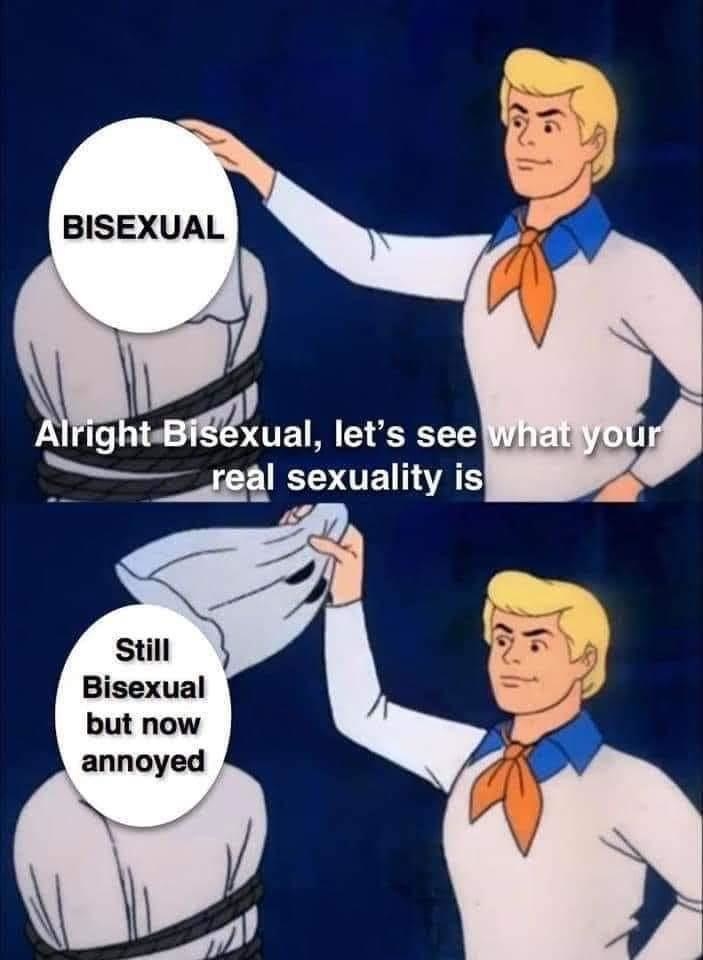
Cartoon Network
Straight people exist. Gay people exist. Bisexual people exist too! It's really that simple, and I would love to see more quality bisexual representation in TV and movies. Let's make it happen!
Who are some of your favorite bisexual characters in TV and movies? Tell us in the comments!
The CW




 English (US) ·