
 4 years ago
8
4 years ago
8
ARTICLE AD BOX
Nobody loves a happy ending like a studio test audience.
Just so you know: Since this post is all about endings, there are *definitely* spoilers ahead.
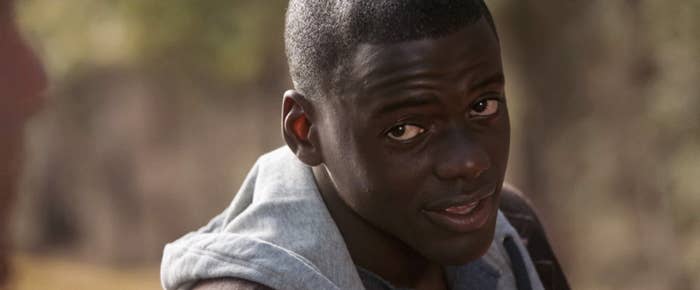
1. Get Out originally had a way darker, and more tragically true-to-life, fate in mind for its protagonist.
Universal Pictures / courtesy Everett Collection
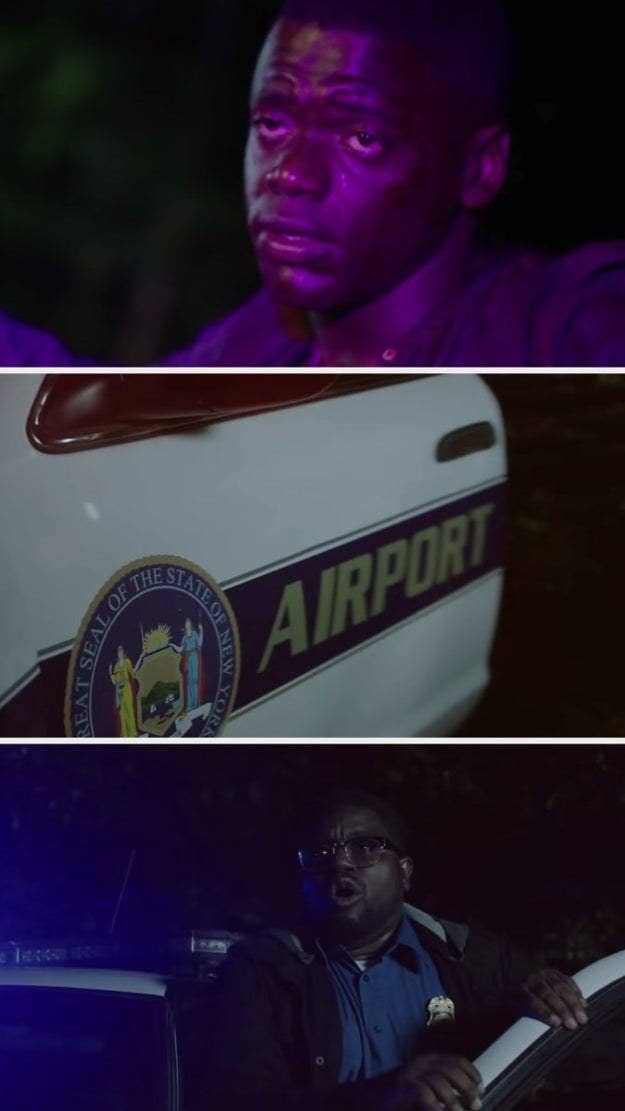
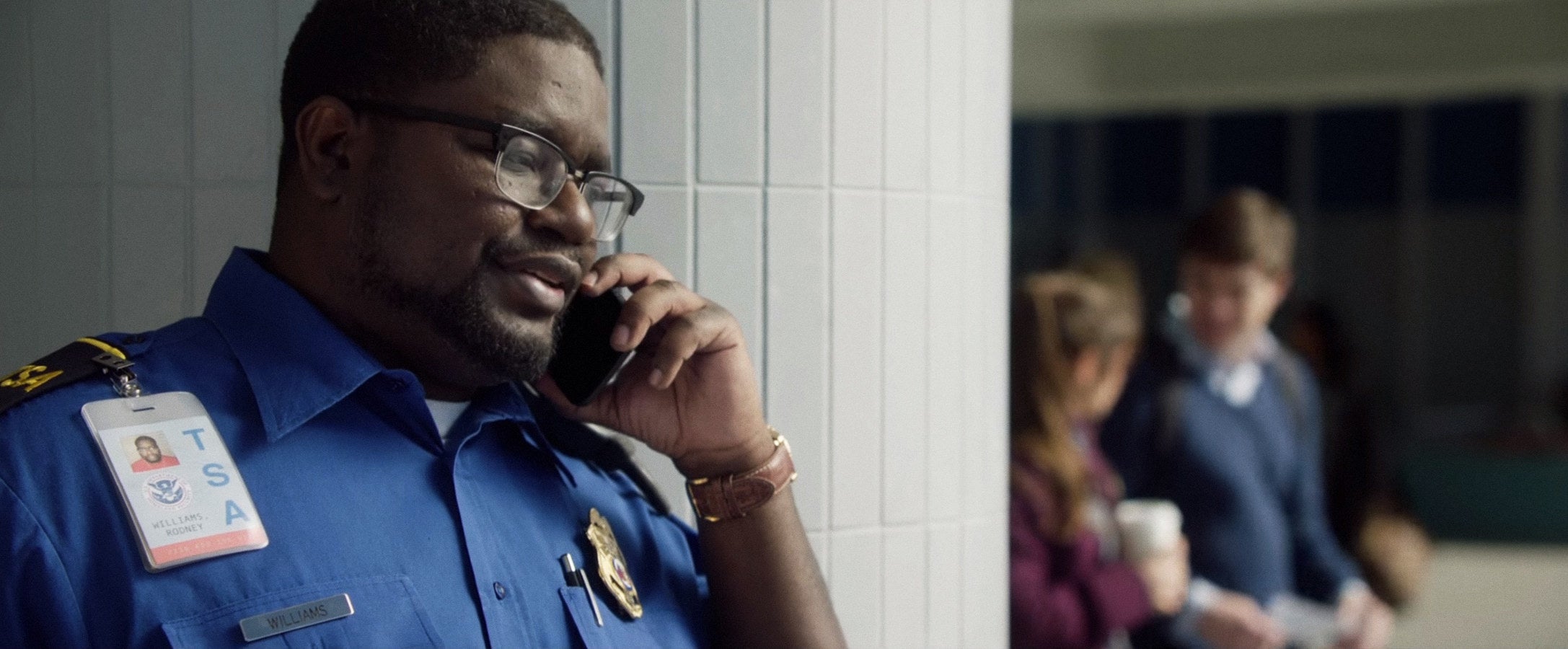
In the final version of the movie, Chris attempts to crawl away from the murderous Rose after escaping her family's twisted brain transplant operation. When a police car arrives, sirens blaring, Rose prepares to play the part of the victim. However, when the door of the car opens, it's revealed that the driver isn't a cop, but Chris's close friend Rod, who works for the Transportation Security Administration (TSA).
Blumhouse Productions
But in the original ending, the cops really did arrive, believe Rose's lies, and throw Chris in jail. Producer Sean McKittrick told Vulture, "We tested the movie with the original 'sad truth' ending where, when the cop shows up, it’s an actual cop and Chris goes to jail. The audience was absolutely loving it, and then it was like we punched everybody in the gut. You could feel the air being sucked out of the room. The country was different. We weren’t in the Obama era, we were in this new world where all the racism crept out from under the rocks again."
Universal / Courtesy Everett Collection
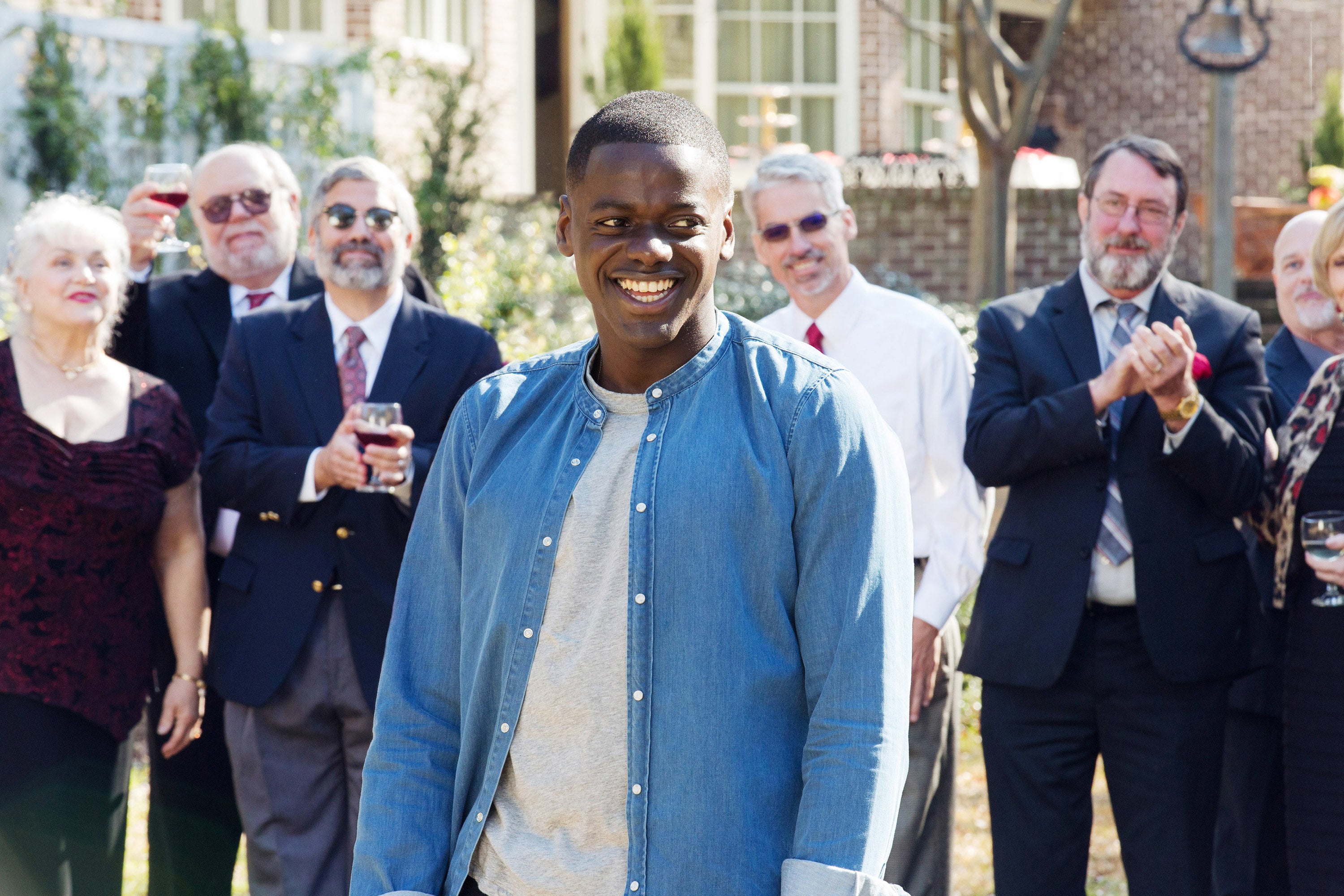
Daniel Kaluuya, who played Chris, added that while he liked the original ending for "show[ing] how unfair the system is," in the final ending, "You still have that with the police lights, and Rod saves him through the Black brotherhood — and also, Chris has a life, you know? He has to go out there even after he’s experienced all this racism, and people expect you to see the world in the same way when they haven’t experienced something like that. I thought that was really honest."
Universal Pictures / courtesy Everett Collection
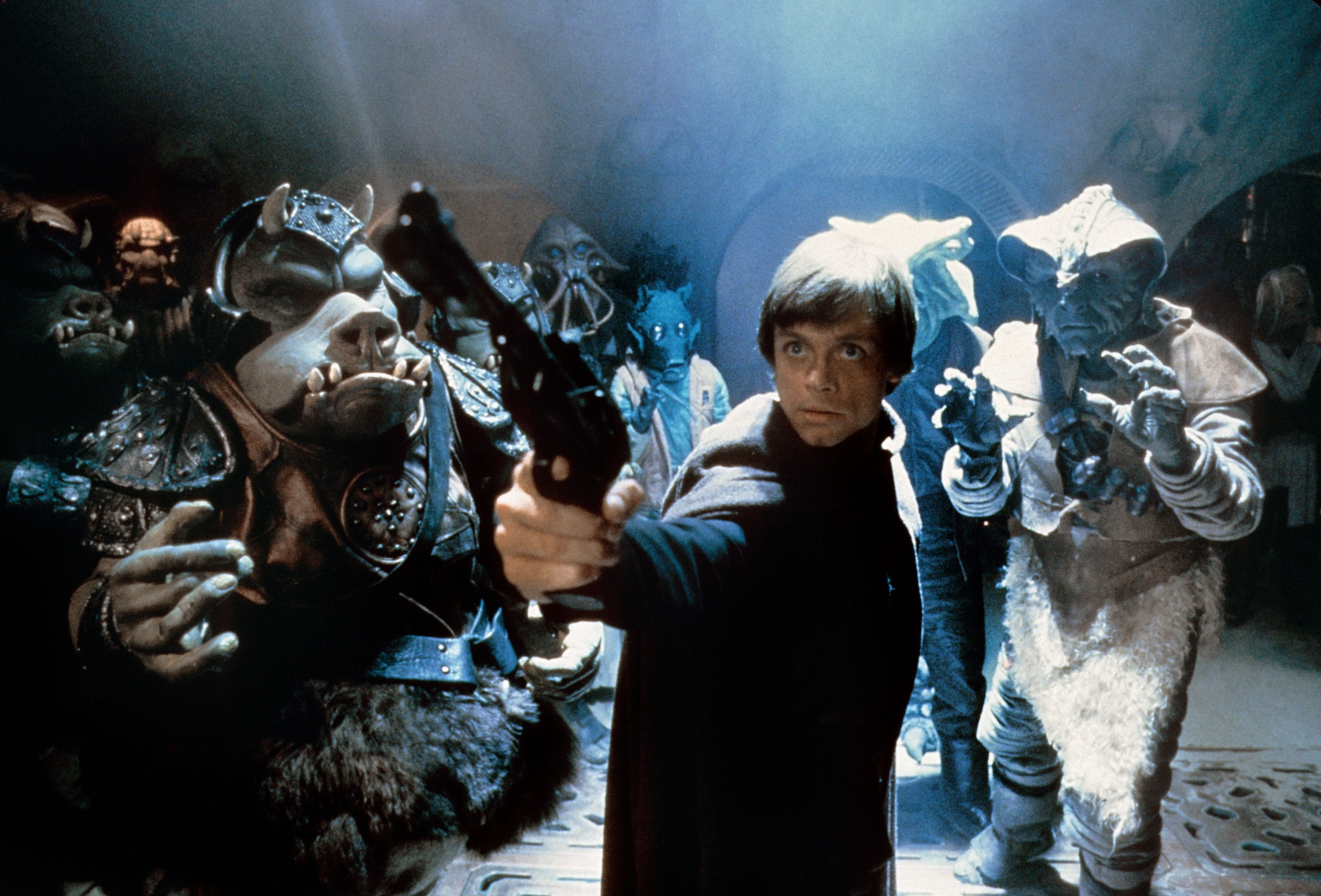
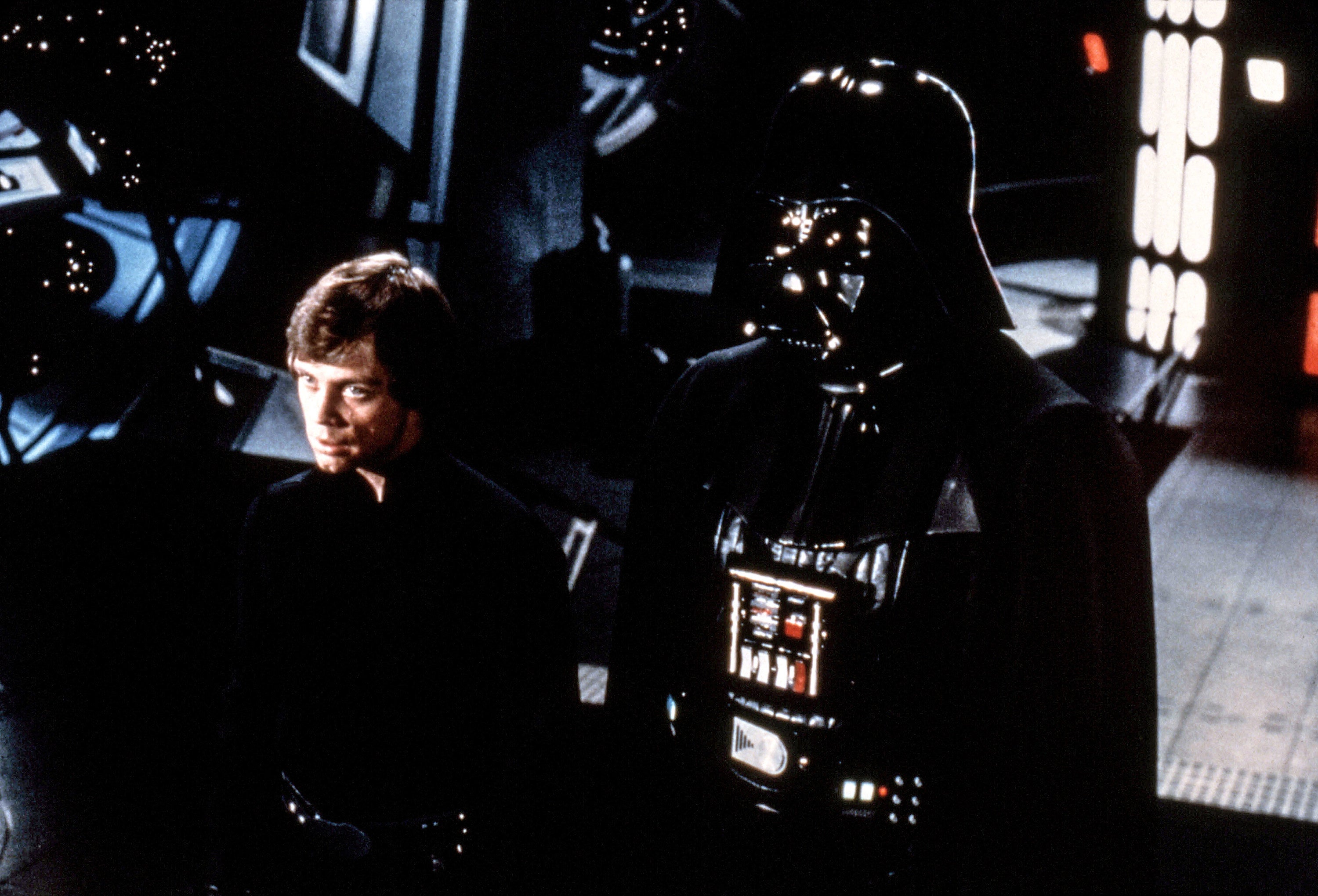
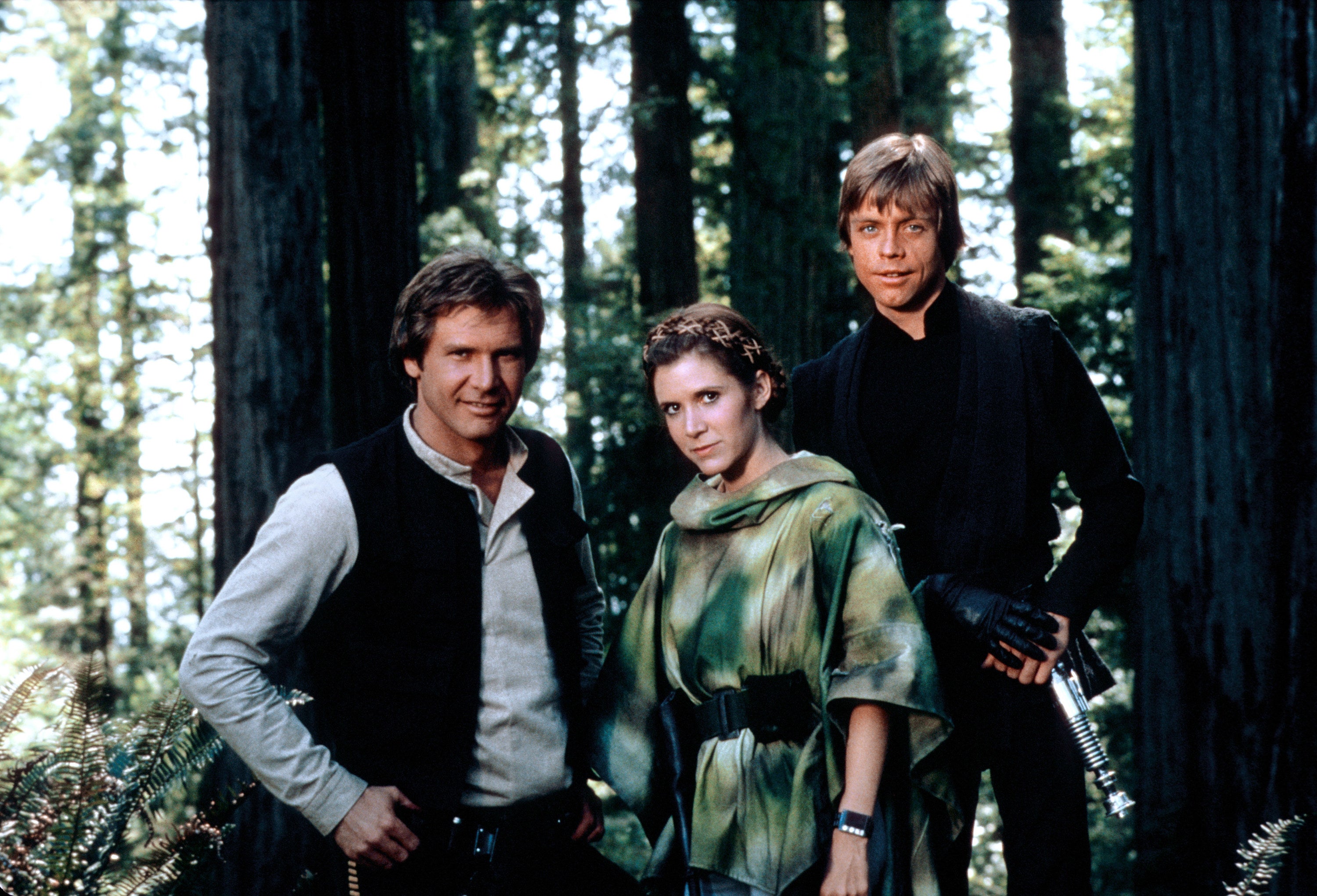
2. Transcripts of a conversation between George Lucas and co-screenwriter Lawrence Kasdan released in The Making of Star Wars: The Return of the Jedi revealed that the movie, and therefore the original Star Wars trilogy, originally ended in a far more unsettling manner.
Lucasfilm / Courtesy Everett Collection
In this version of the ending, Luke would still take off Darth Vader's helmet...and then put it on himself. In the transcripts, Lucas pitched that Luke would say, "Now I am Vader. Now I will go and kill the fleet and I will rule the universe." Kasdan responded, "That's what I think should happen."
Lucasfilm / Courtesy Everett Collection
However, the idea was dropped because according to Lucas, "This is for kids."
Lucasfilm / Courtesy Everett Collection
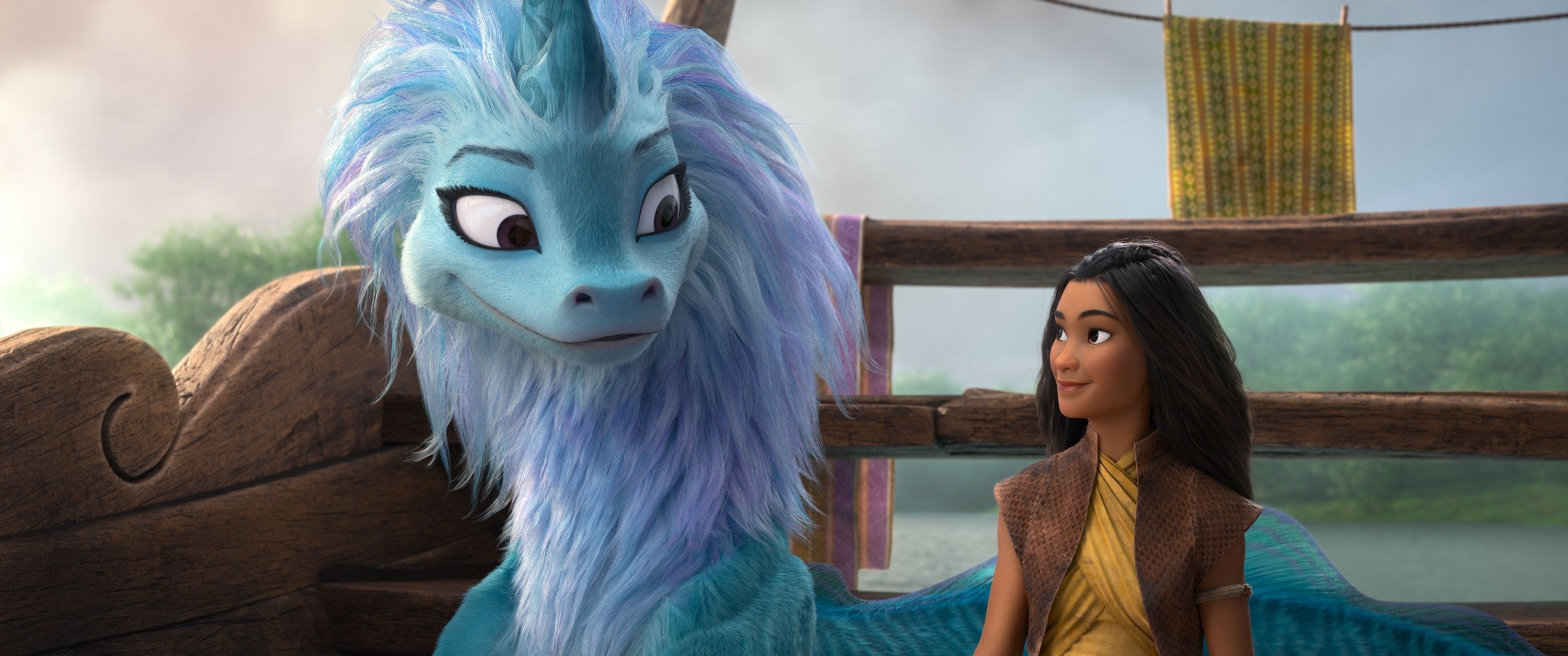
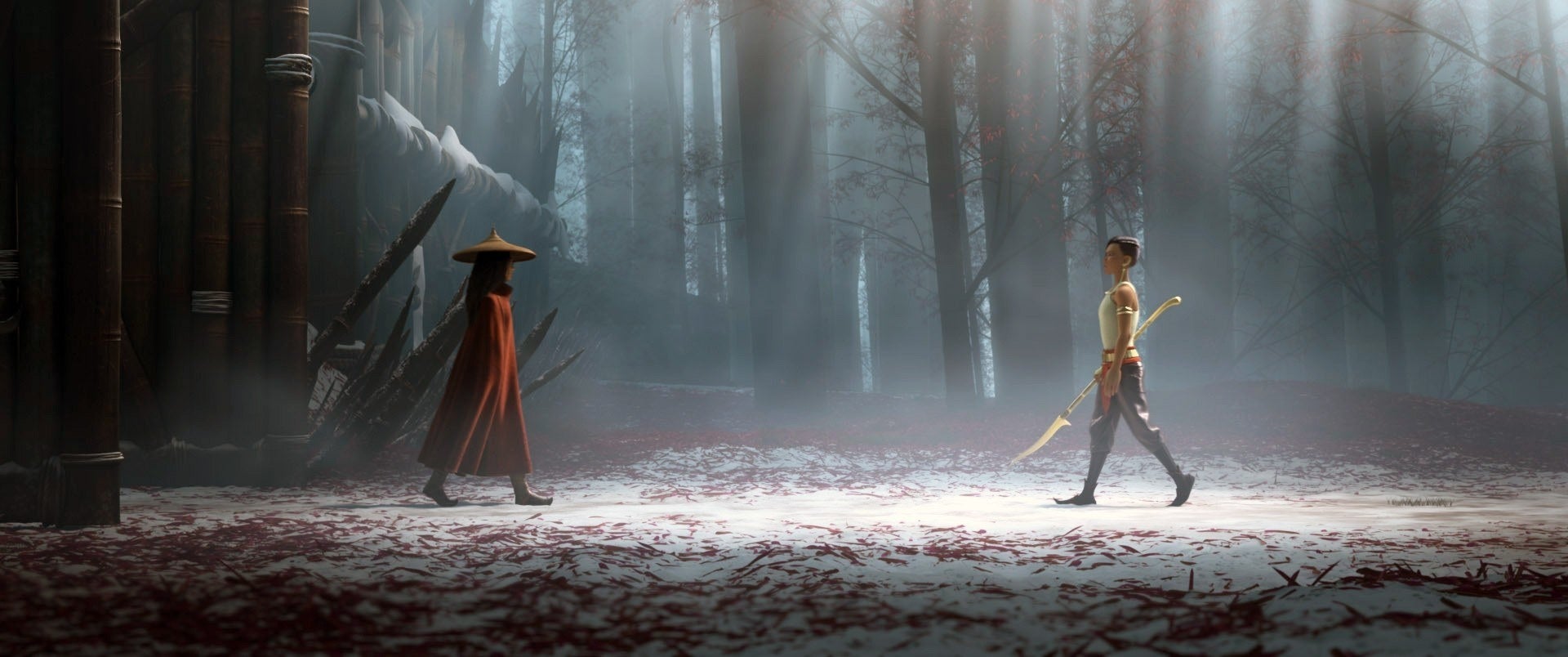
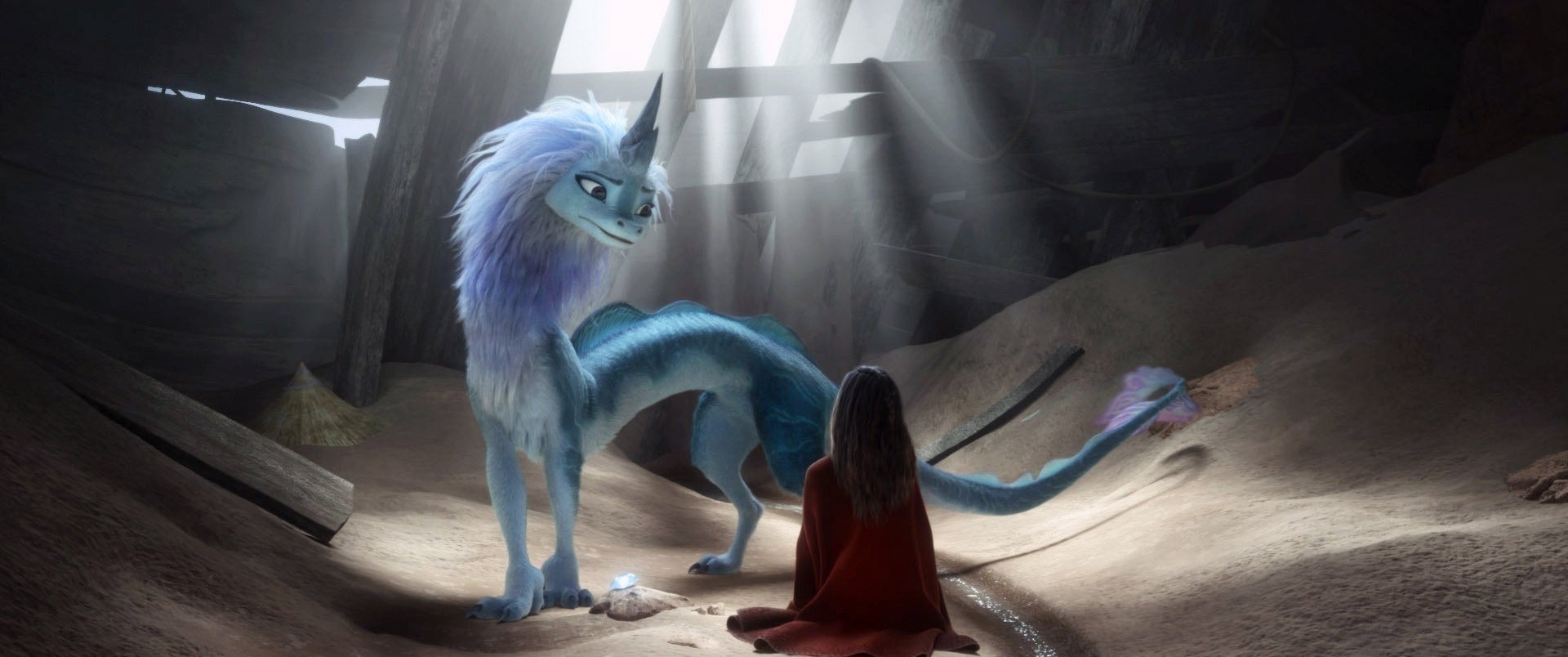
3. In Raya and the Last Dragon, the titular last dragon, Sisu, is killed, but she is ultimately brought back to life, along with oodles of other dragons. But screenwriter Adele Lim, producer Osnat Shurer, and director Don Hall told Polygon that they weren't sure about whether this uplifting ending was the right one.
Walt Disney Studios Motion Pictures / Courtesy Everett Collection
Hall recalled that in one ending, Sisu was actually the last dragon, and that neither she nor the other dragons would be resurrected. The humans would be well and truly on their own, a narrative idea that the filmmakers already wanted to explore through Sisu's (ultimately temporary) loss. But Shurer wanted a happy ending that would make an audience member's "heart sing."
Walt Disney Studios Motion Pictures / Courtesy Everett Collection
Shurer said, "What we were digging into psychologically is if we are the solution, why are we bringing the magical mystical creatures back in? The place where we arrived is a place that’s more connected to a more Southeast Asian and South Asian perspective, which is when we found the solution for ourselves that we earned the right to manifest the mystical."
Walt Disney Studios Motion Pictures / Courtesy Everett Collection
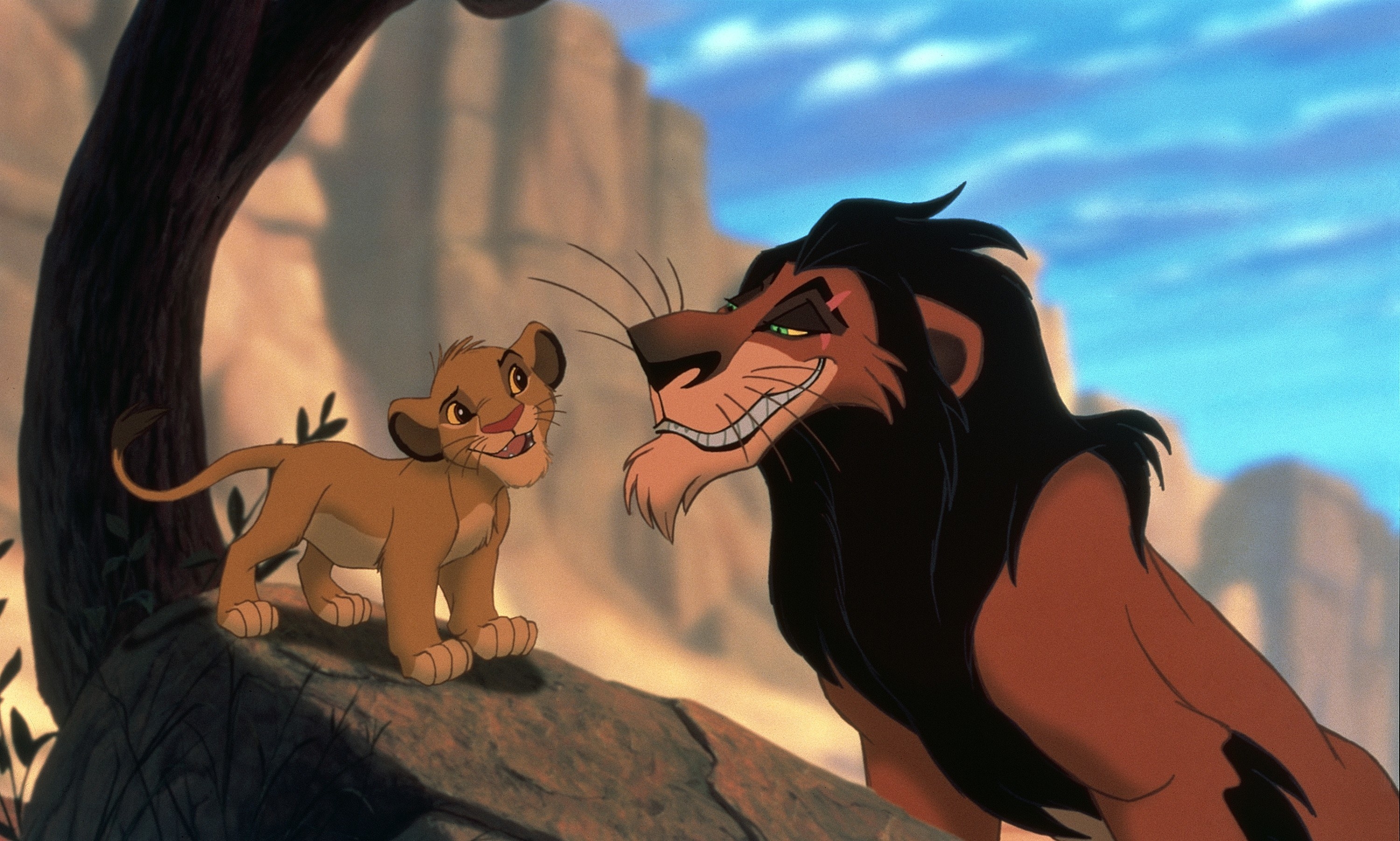
4. Speaking of Disney and its inner darkness, the ending of The Lion King was decidedly less than family friendly at first.
Walt Disney Picture / Courtesy Everett Collection
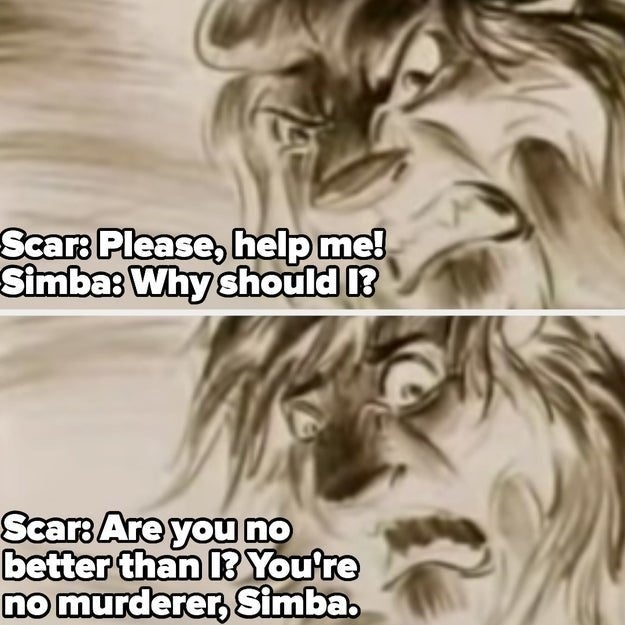
In this version, Simba and Scar would battle for the crown on Pride Rock, and Simba would throw Scar over the edge. Scar, holding on for dear life, would beg Simba to save him, and when Simba hesitates, ask his nephew if he's really no better than his murderous uncle. Naturally, the heroic Simba would pull Scar back, leading Scar to immediately throw him over the edge.
Disney
Oh yeah, and the whole time, Pride Rock is burning. Scar would get devoured by flames while maniacally laughing, while Simba, secretly safe from death, would watch.

Walt Disney Picture / Courtesy Everett Collection
On the whole, just a touch darker than the way Scar totally gets devoured by those hyenas in the final version of the film.
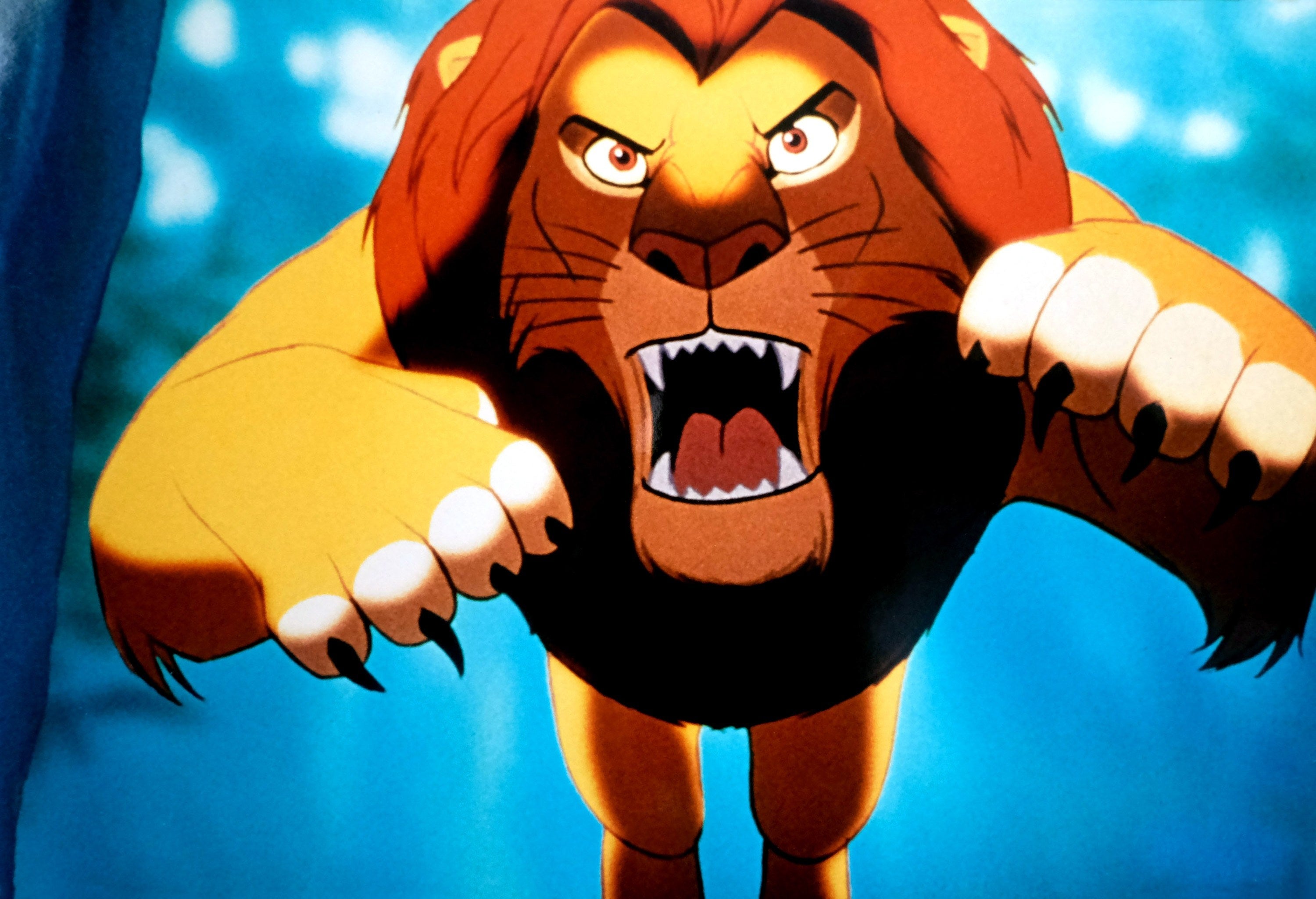
Walt Disney Pictures / courtesy Everett Collection
5. James Gunn told CinemaBlend that The Suicide Squad's original ending was significantly darker than what ended up in theaters.
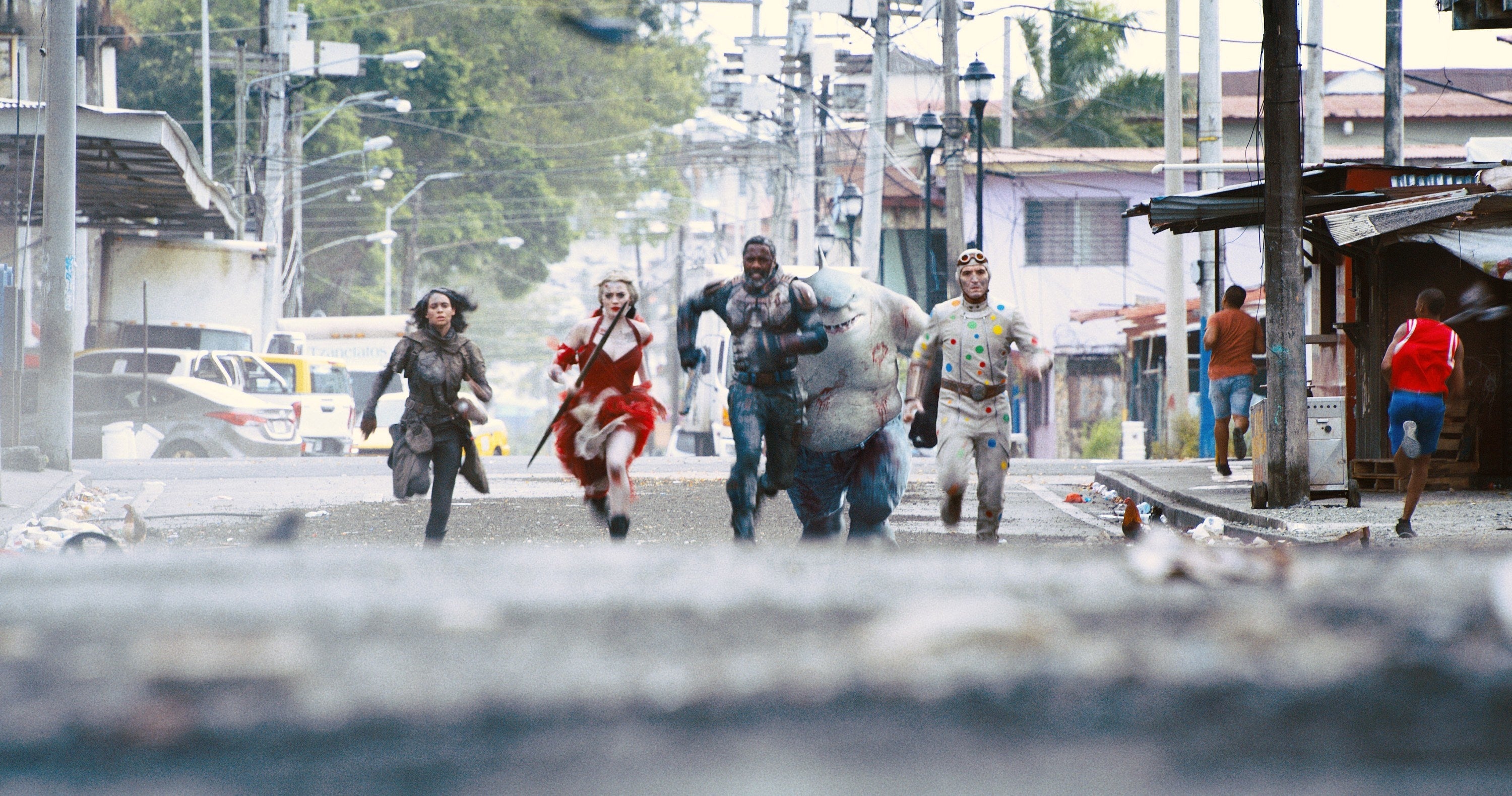
Warner Bros. / courtesy Everett Collection
In this alternate ending, Ratcatcher 2 would've been killed by Amanda Waller. Bloodsport would go berserk, because "he's connected to this person, like a daughter." Despite Harley's "weird" attempts to comfort him, Bloodsport would shoot Amanda with a bullet that didn't kill her but would explode on his command, meaning that now, "She has to do what he says."
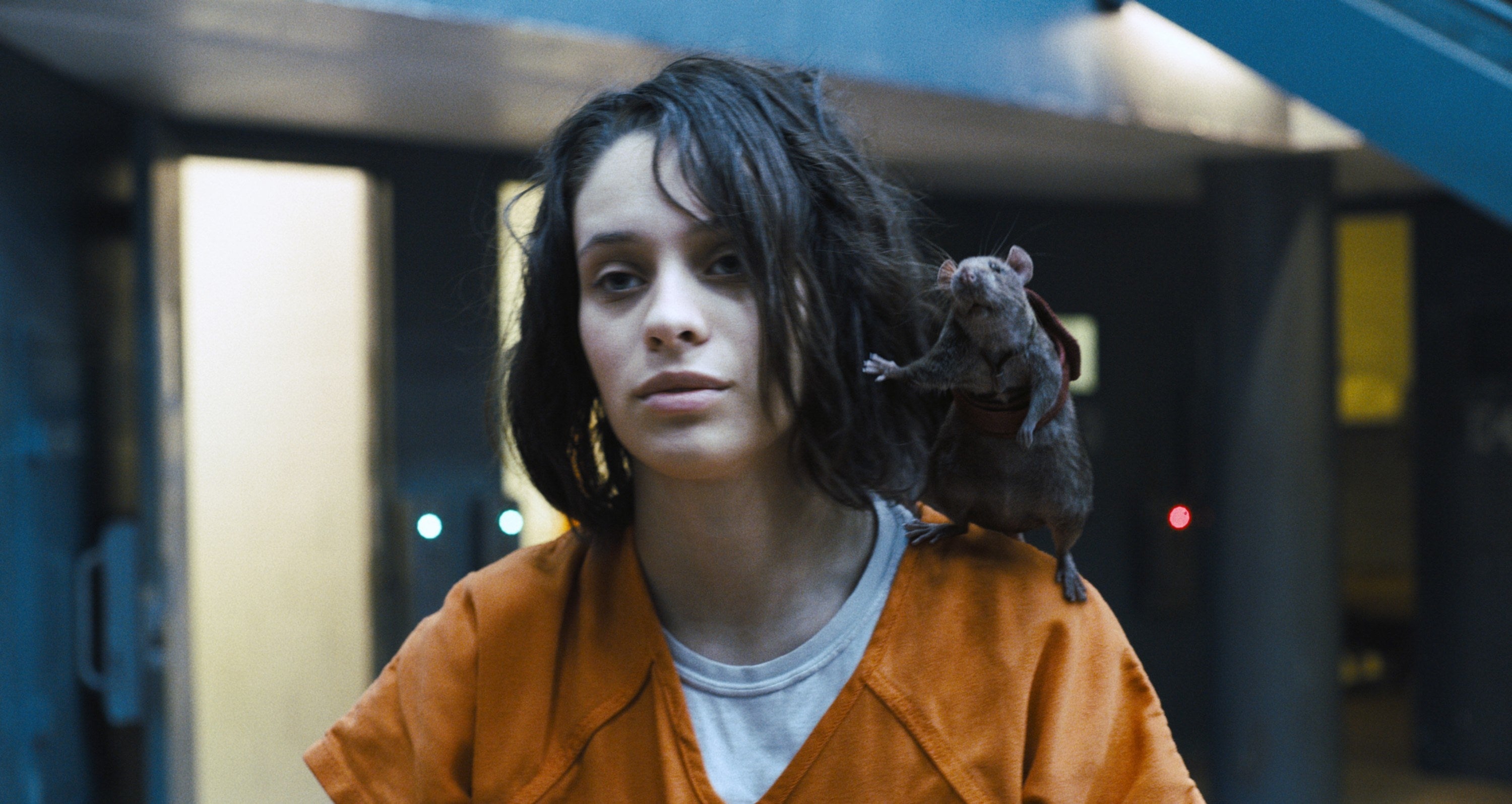
Warner Bros. / Courtesy Everett Collection
So, yeah, pretty bleak. Gunn explained that he went with a different ending because, "It was just too dark for me. It was really just too dark. It didn't really work for me. It didn't really tell the story that I wanted to tell, which is much more about the characters’ different journeys, emotionally. And for me, really, the ending with Bloodsport petting the rat...that, to me, was the perfect ending for the movie."
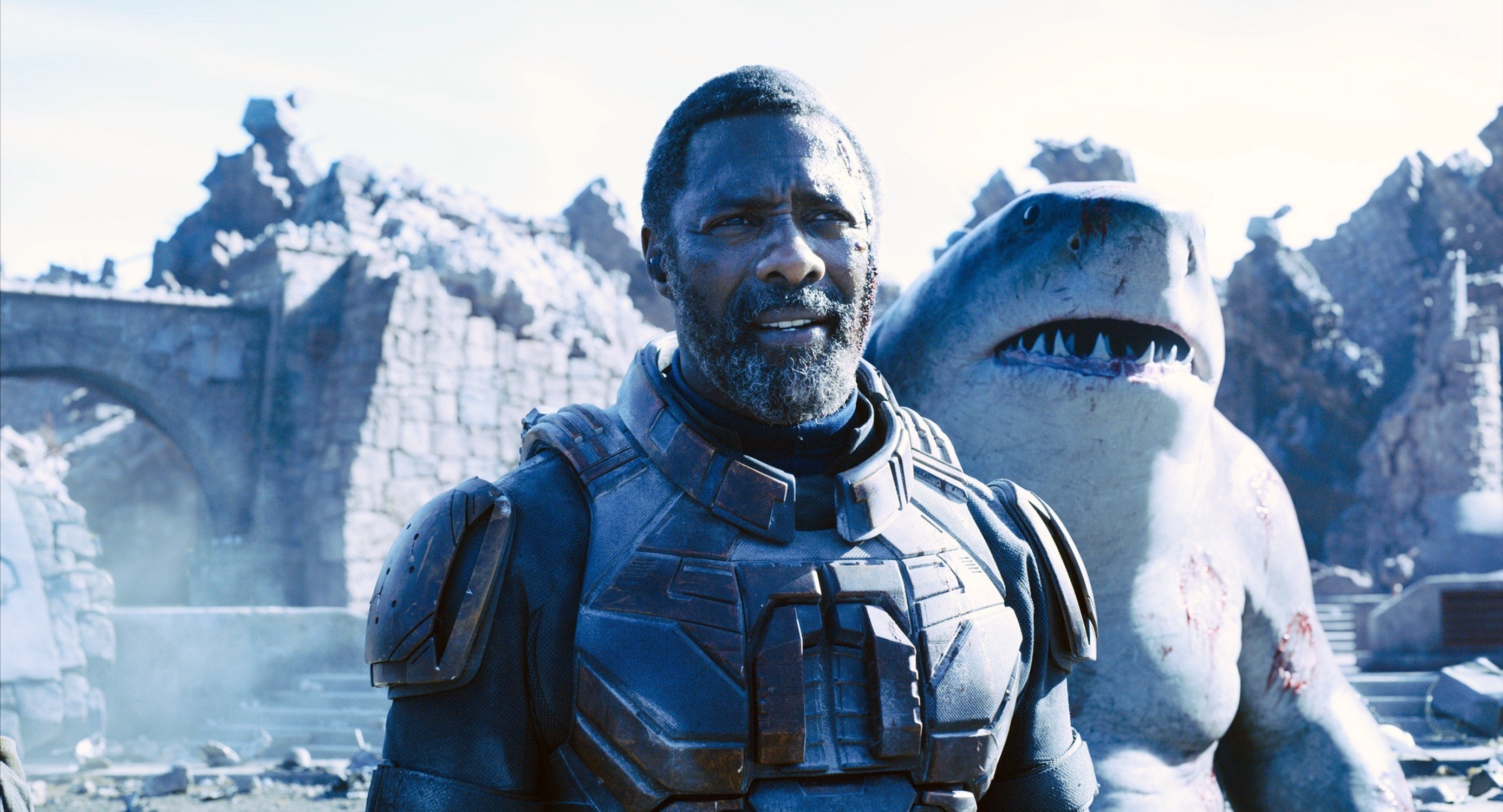
Warner Bros. / Courtesy Everett Collection
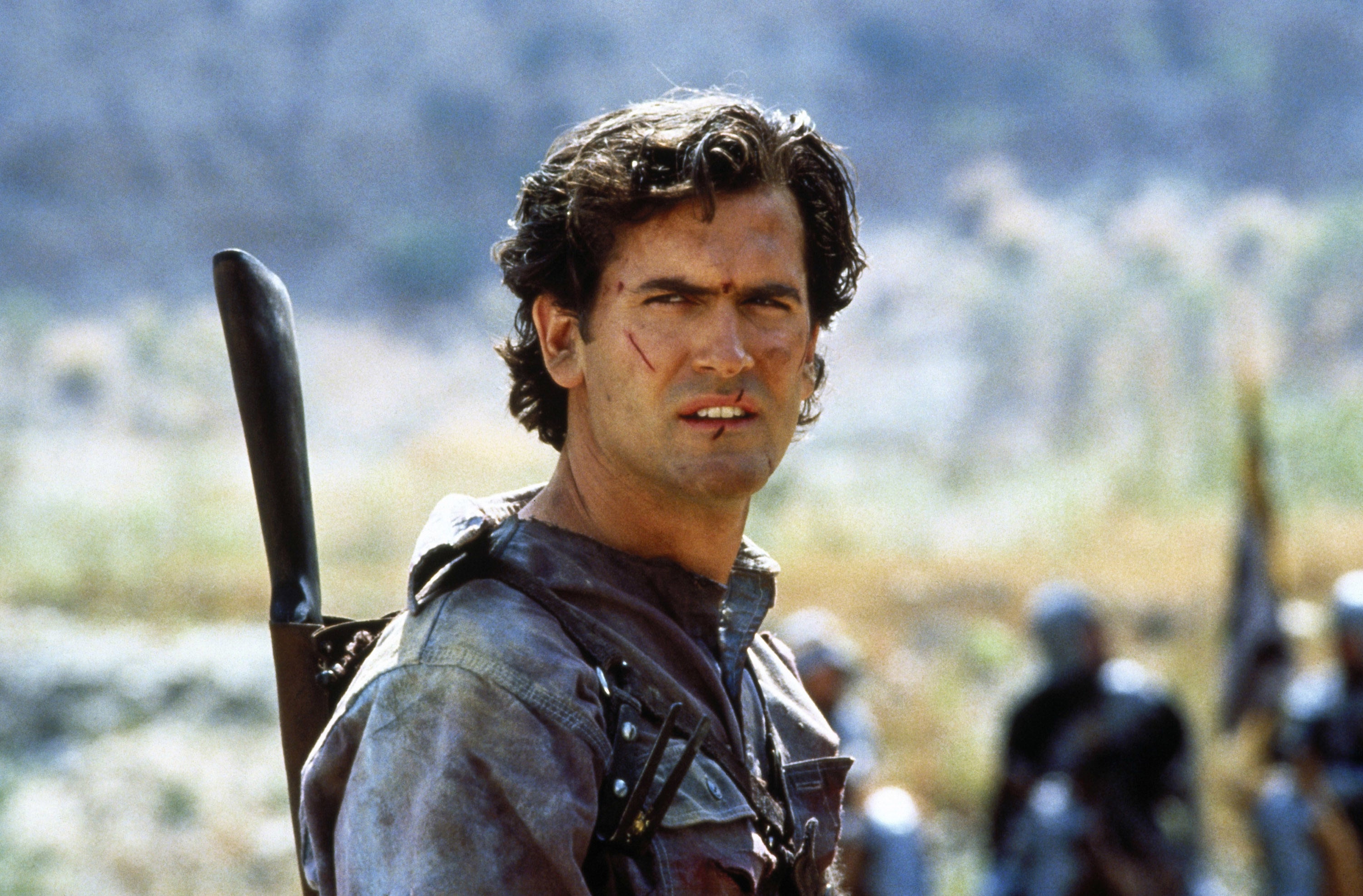
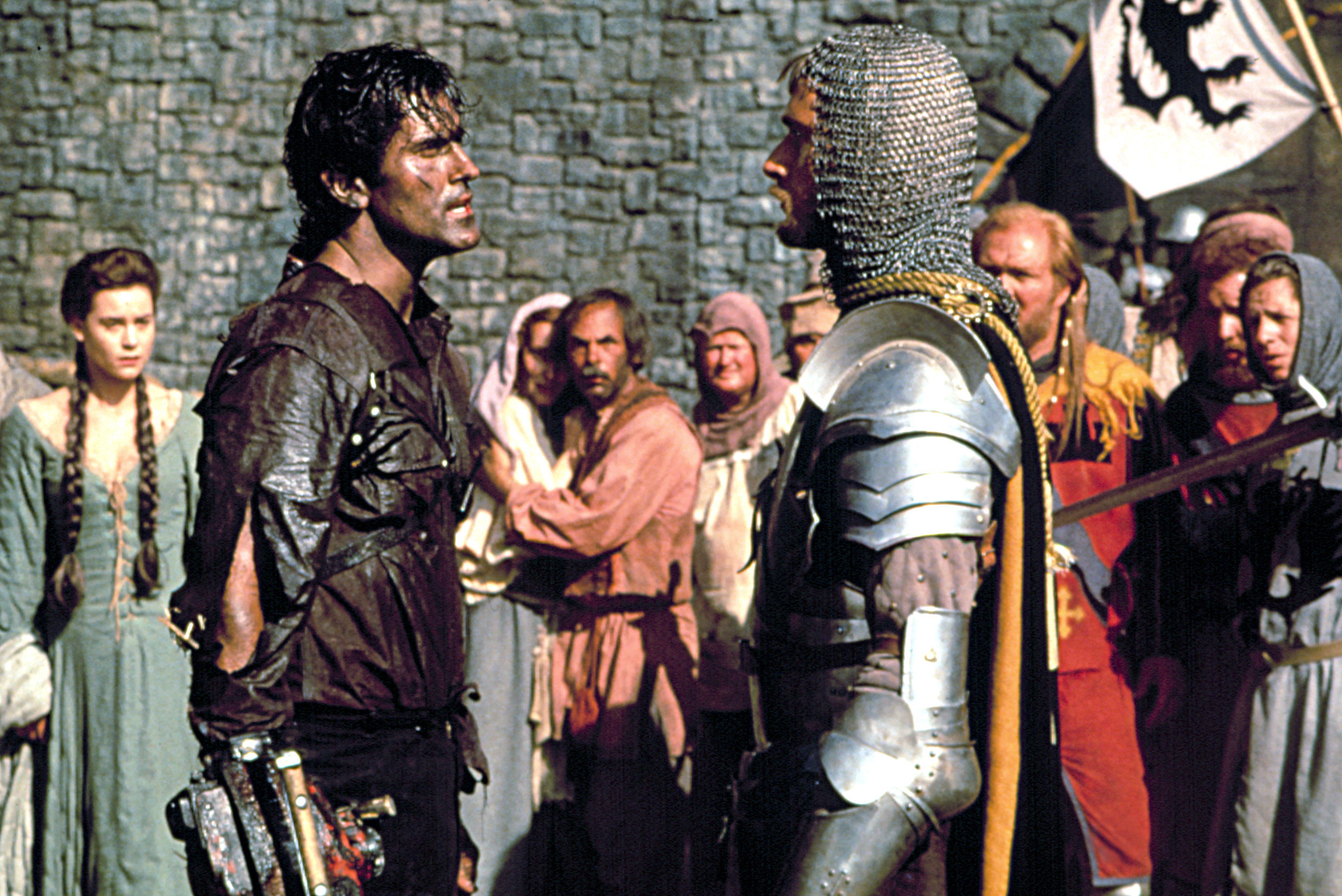
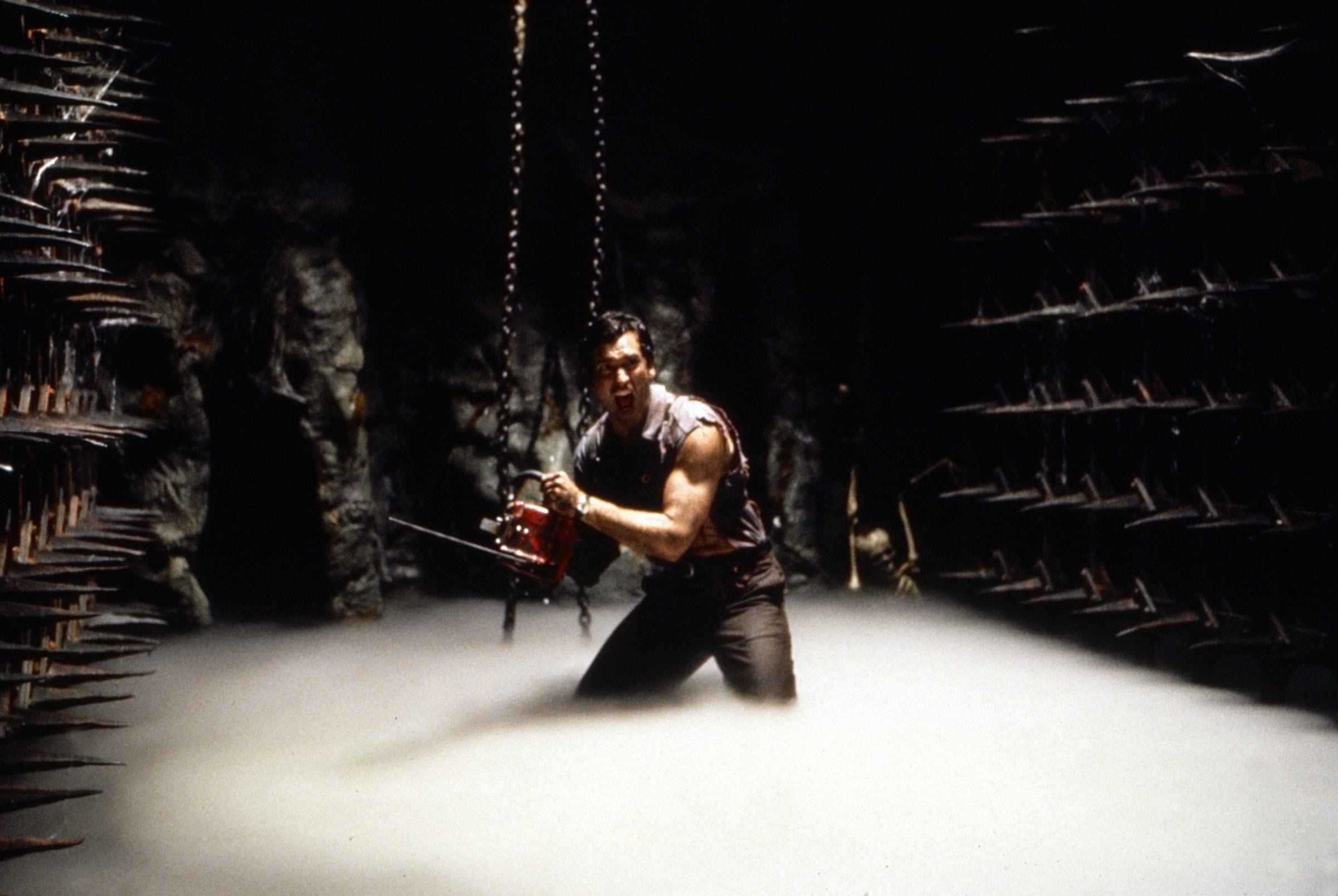
6. Army of Darkness almost had an ending so bleak it was literally dystopian, but the studio caught wind of it and said, "Absolutely not."
Universal / Courtesy Everett Collection
In the alternate ending, protagonist Ash Williams attempts to time travel back to the present day after spending the movie trapped in 1300 AD. Alas, he drinks too much magic potion and oversleeps to the point where he wakes up in post-apocalyptic, dystopian London. He then yells, "I slept too long!"
Universal Pictures / courtesy Everett Collection
Universal Studios thought this was way too much of a bummer, and the movie instead ends with Ash describing his ordeal to a coworker in a department store, before shooting a demonic "deadite."
Universal / courtesy Everett Collection
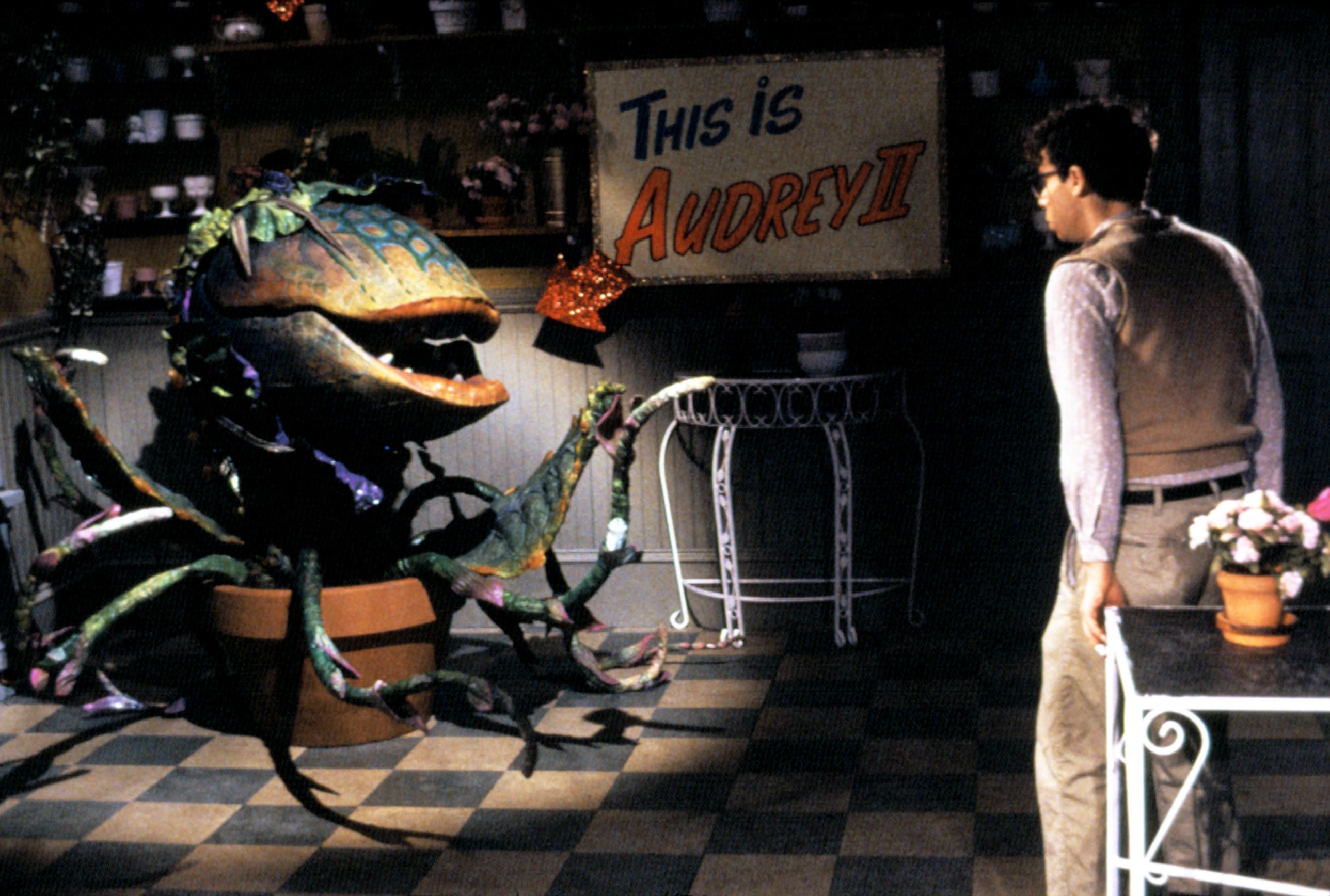
7. In one of the most famous cases of a last-minute ending swap, director Frank Oz and screenwriter Howard Ashman were forced to make a new ending for Little Shop of Horrors when test audiences utterly despised the depressing, if accurate to the source material, original.
Warner Brothers / Courtesy Everett Collection
The original ending, which cost $5 million to craft (out of a total budget of $25 million), featured the death of the two lovers Seymour and Audrey, and showed an alien race of giant carnivore plants taking over the world. It ended with Audrey II, the original evil plant, mocking humanity's pain from the Statue of Liberty.
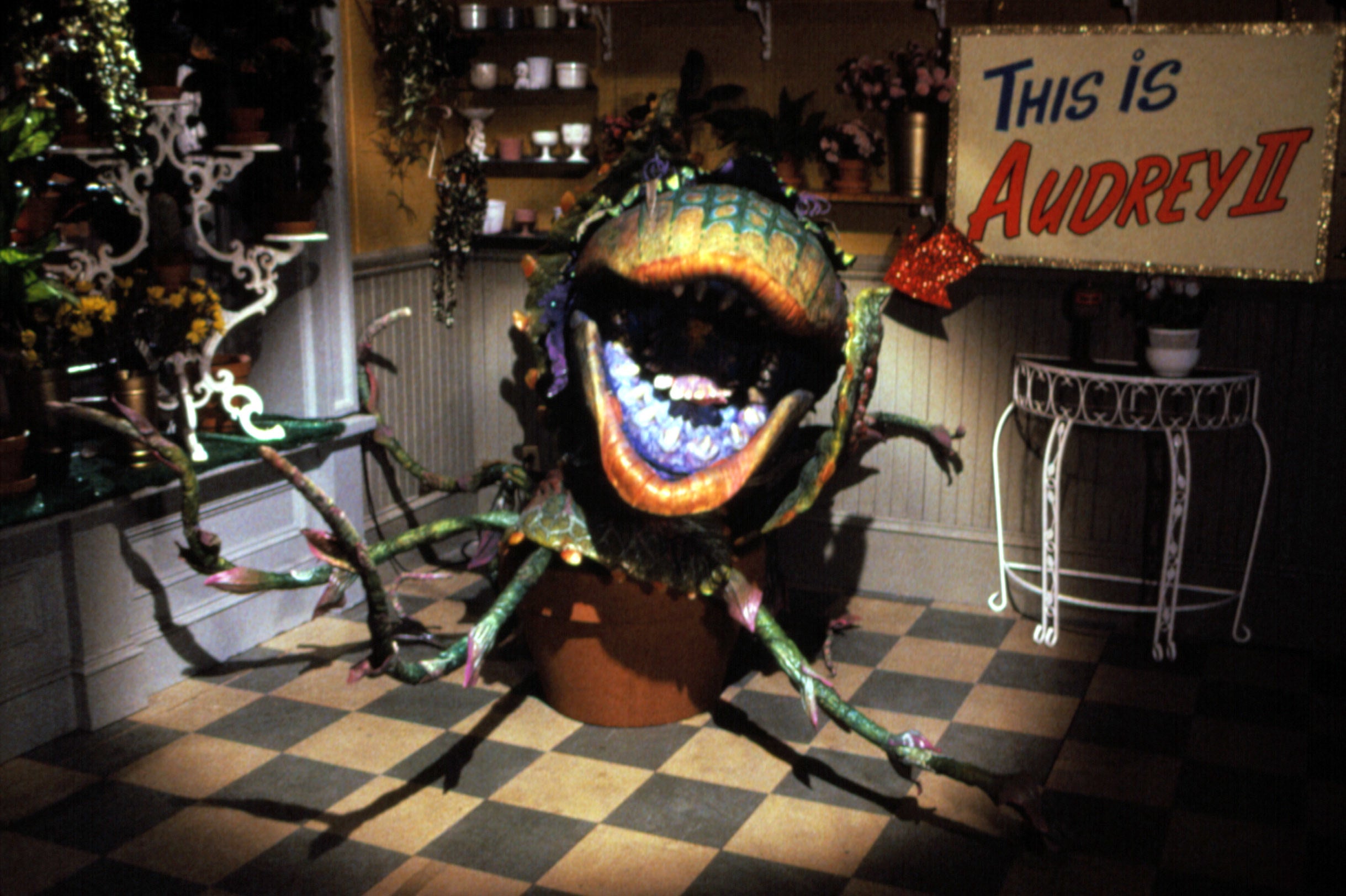
Warner Brothers / Courtesy Everett Collection
This was a tragedy that led test audiences to near-rebellion, and Frank Oz once said of the disastrous screenings, "For every musical number there was applause, they loved it, it was just fantastic, until we killed our two leads. And then the theater became a refrigerator, an ice box. It was awful."
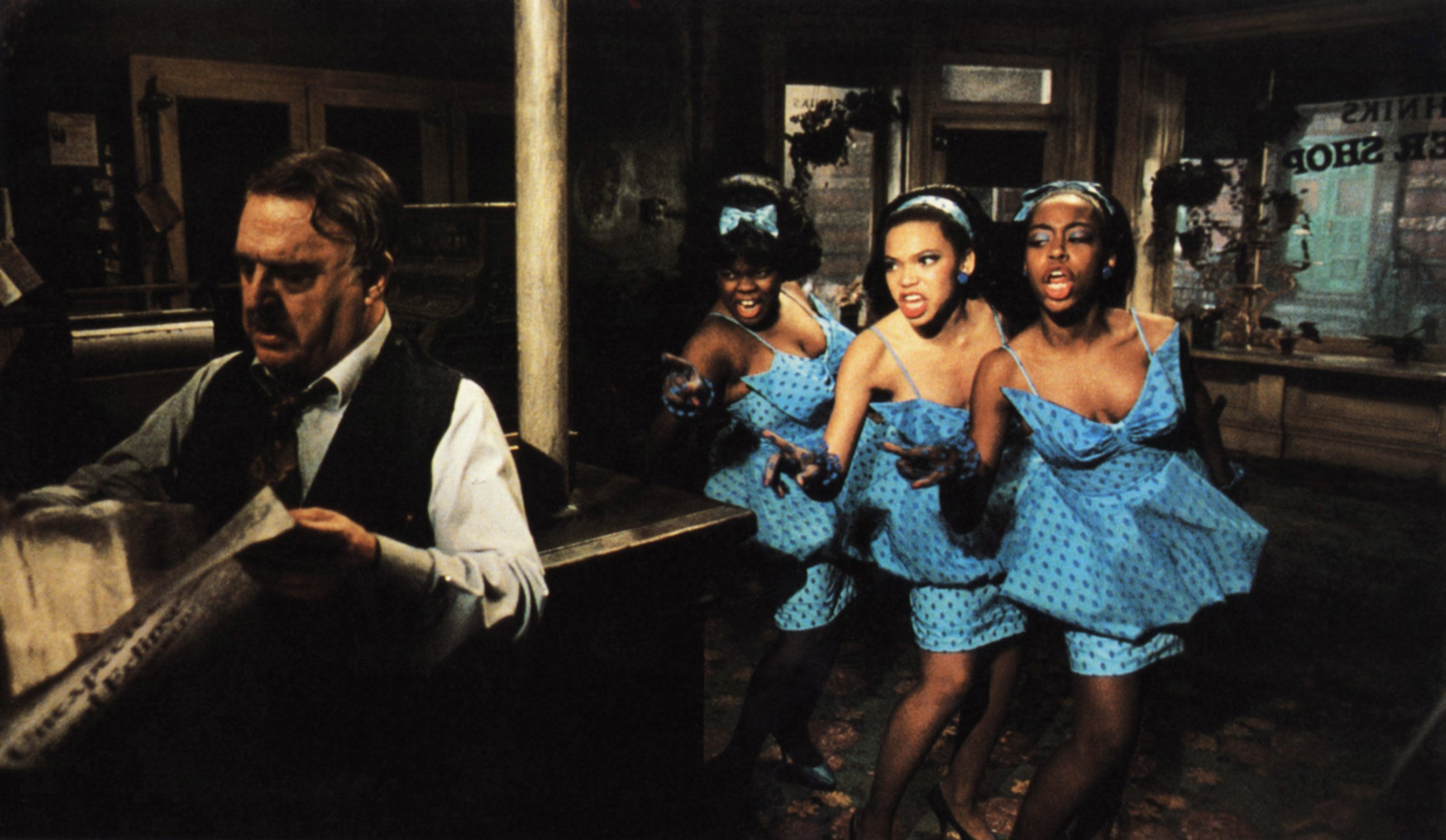
Warner Brothers / Courtesy Everett Collection
When test audiences scored the movie far too low to make it eligible for release, an entirely new ending was shot. The happy couple were spared, Audrey II was destroyed, and test audiences were, at long last, happy.
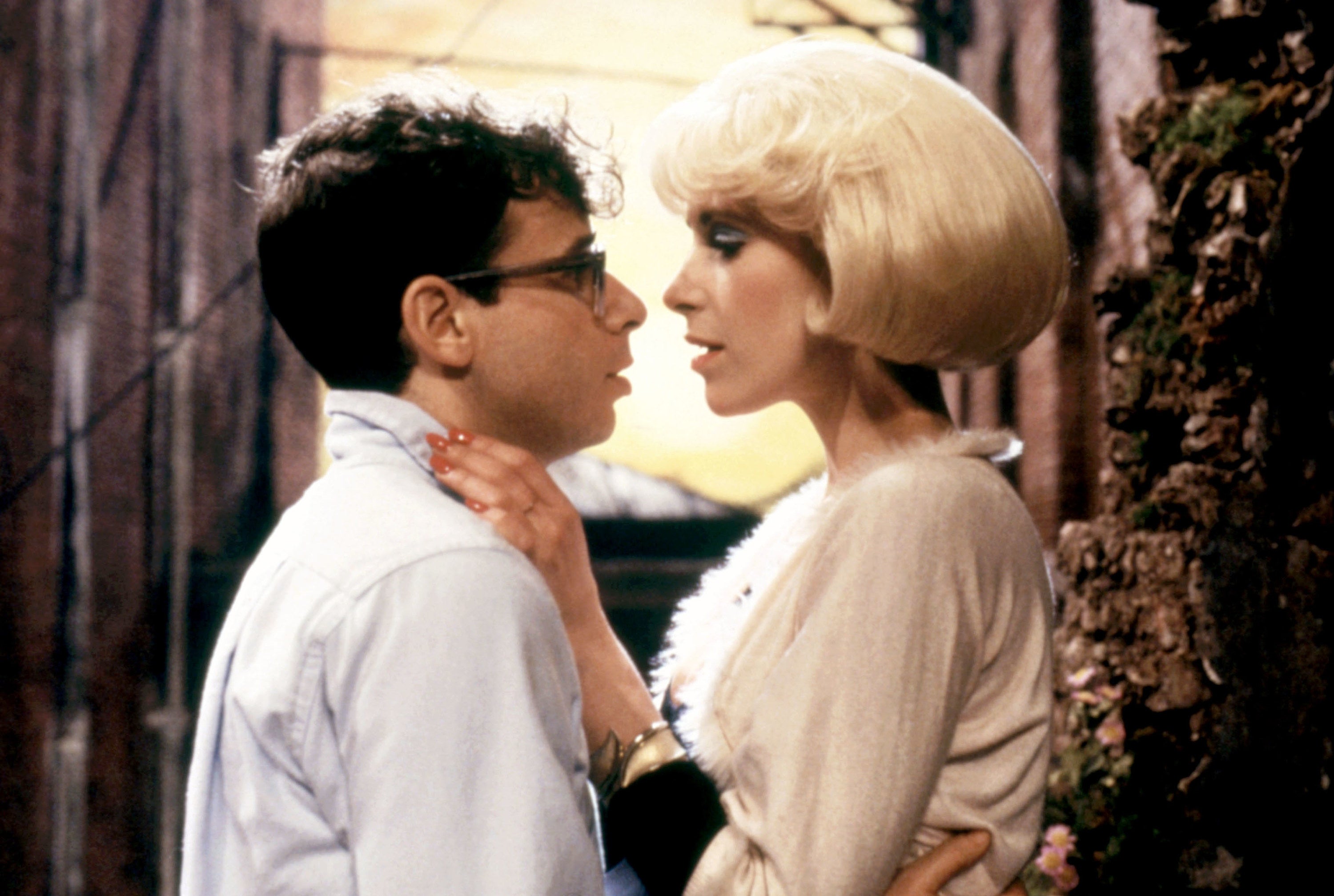
Warner Brothers / Courtesy Everett Collection
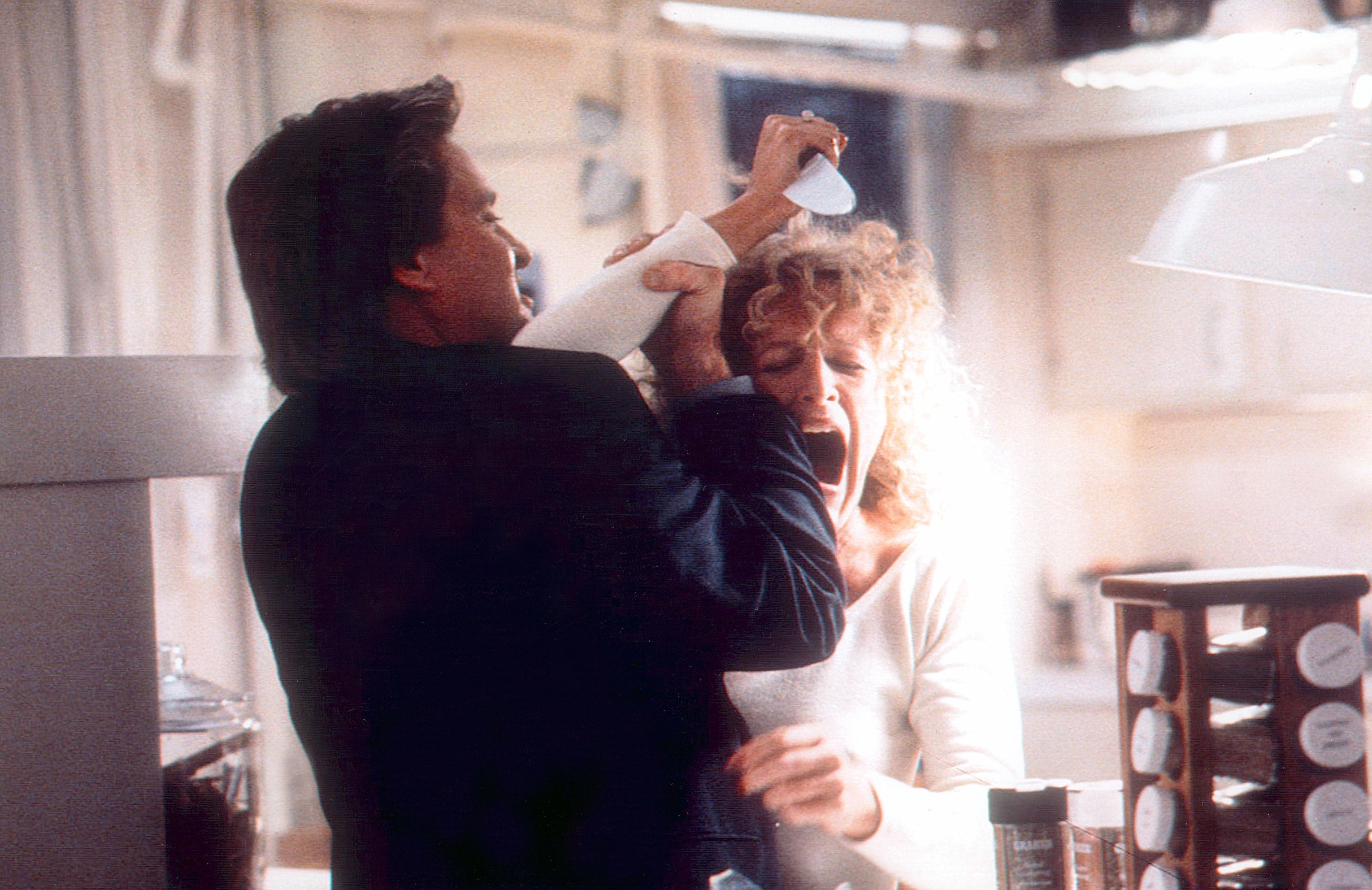
8. Speaking of less than impressed test audiences, the ones who watched Fatal Attraction hated the original ending, so it was promptly changed.
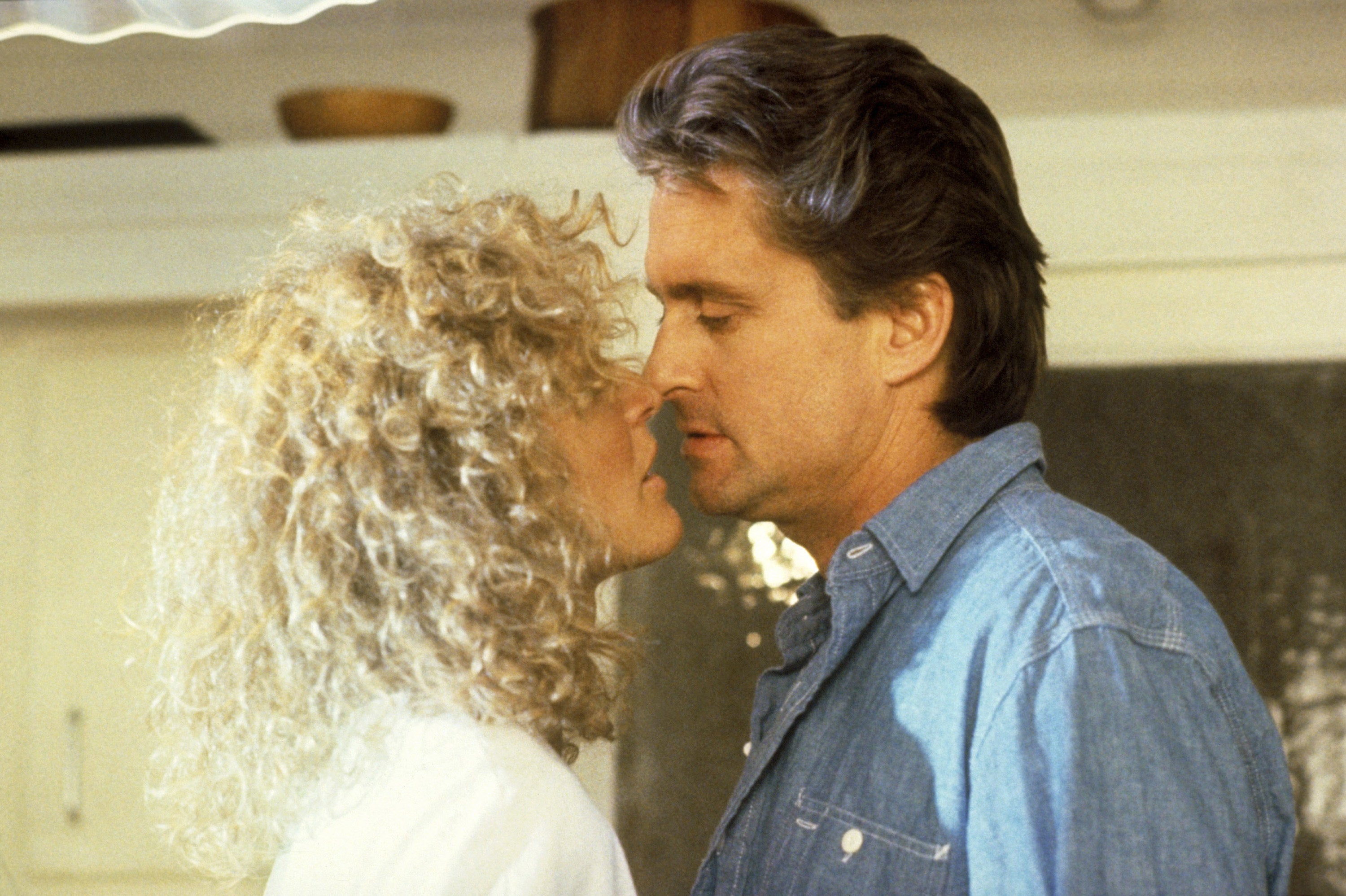
Paramount / courtesy Everett Collection
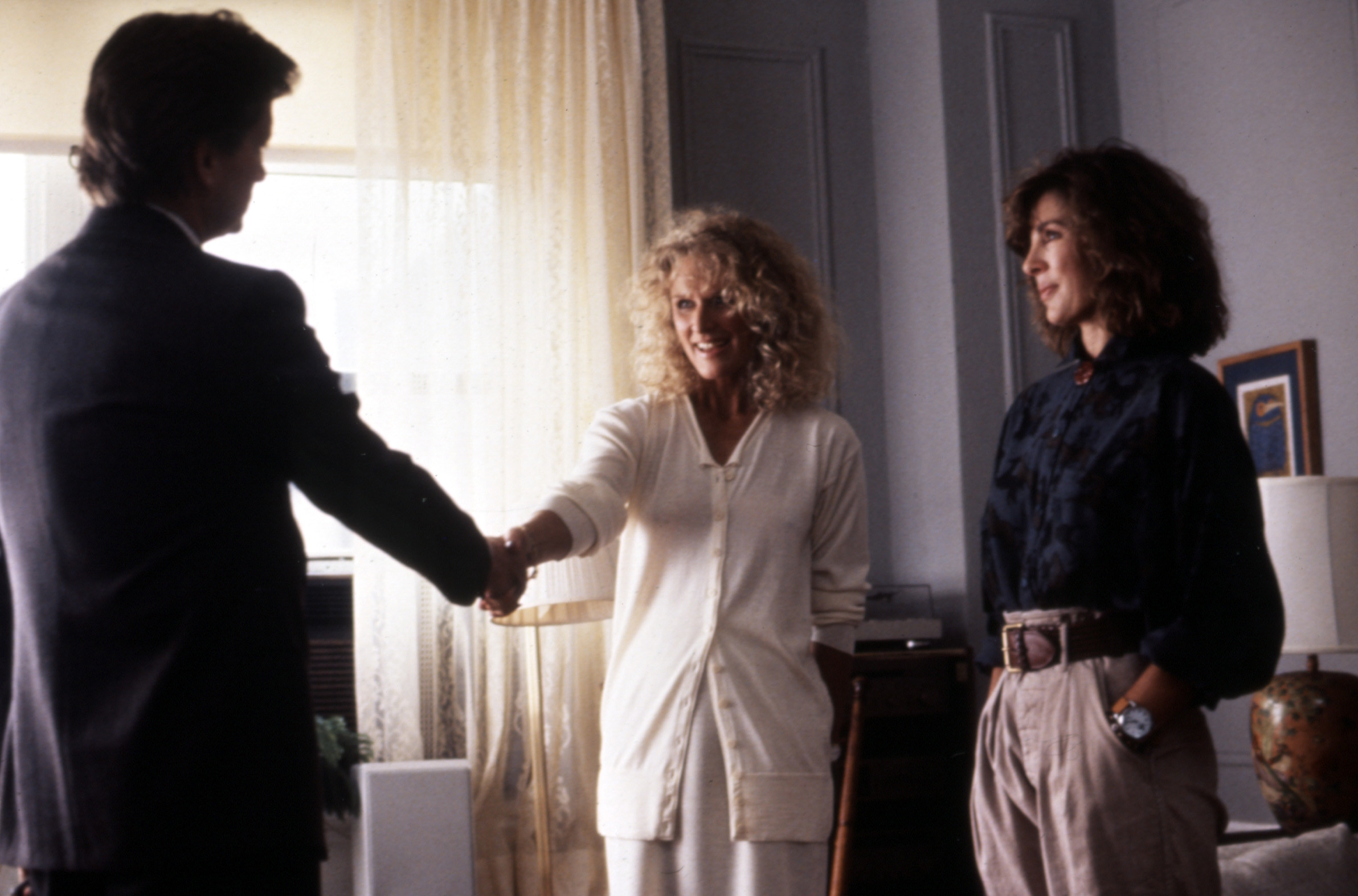
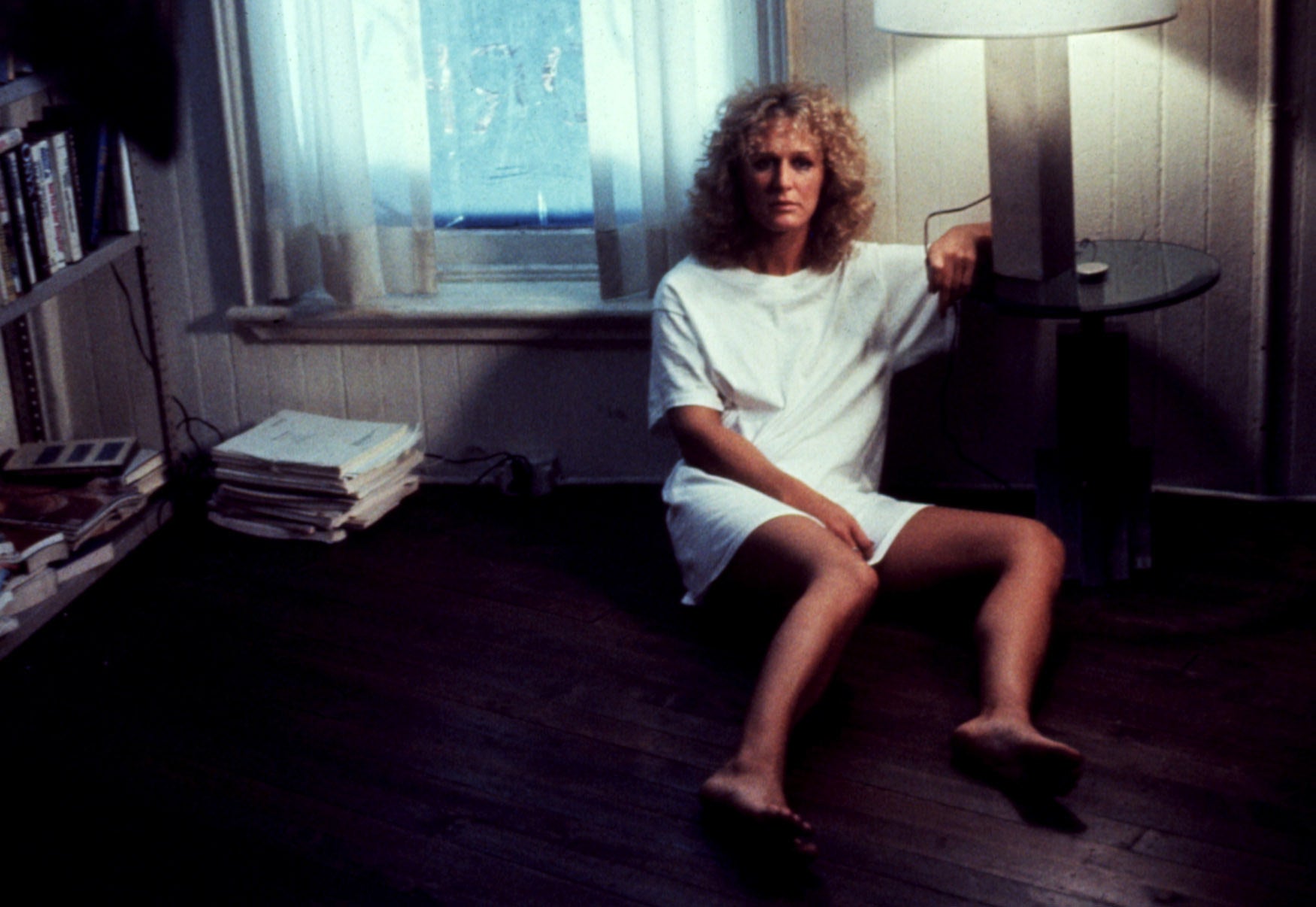
In the first ending, Alex Forrest frames the object of her obsession, Dan Gallagher, for her murder before she dies by suicide. The final ending saw Dan's wife, Beth, murder Alex.
Paramount / courtesy Everett Collection
Glenn Close, who played Alex, objected to this new ending. She told the New York Times, "Six months after we finished shooting, I got a call that we had to reshoot the ending. I fought it for two weeks. It was going to make a character I loved into a murdering psychopath. ... My friend William Hurt said, 'You’ve fought your battle, now be a team player.' So I shot it. And I learned something. It’s what the Greeks do. There’s order in the family; then some element creates chaos; then order has to be restored. It’s restored in tragedies through bloodshed. My blood was shed for order to be restored. It was cathartic for the audience."
Paramount Pictures / Courtesy Everett Collection
In the same article, Michael Douglas, who played Dan, said of the initial screenings, "The audience viscerally wanted to kill Alex, not allow her to kill herself."
Paramount Pictures / Courtesy Everett Collection
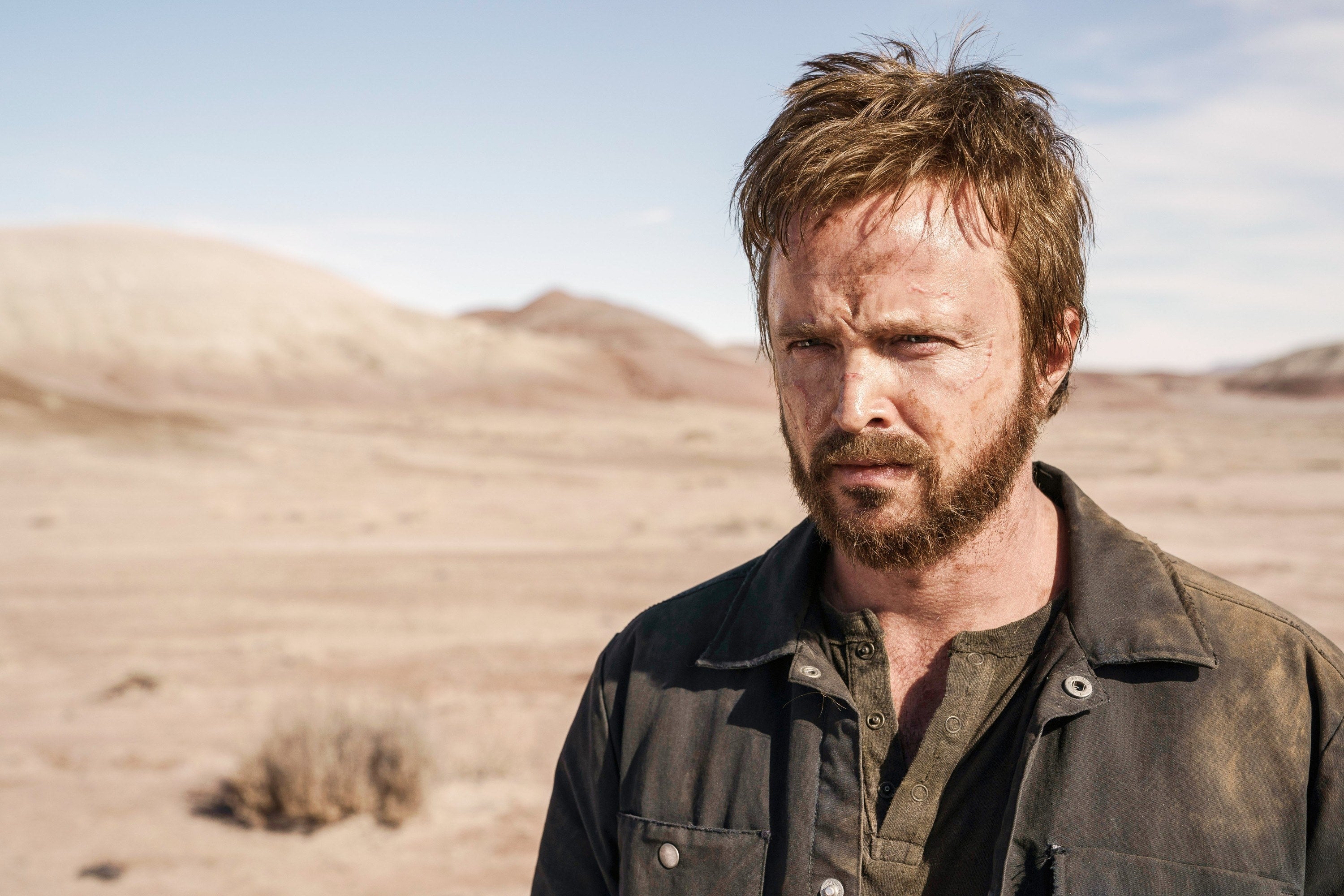
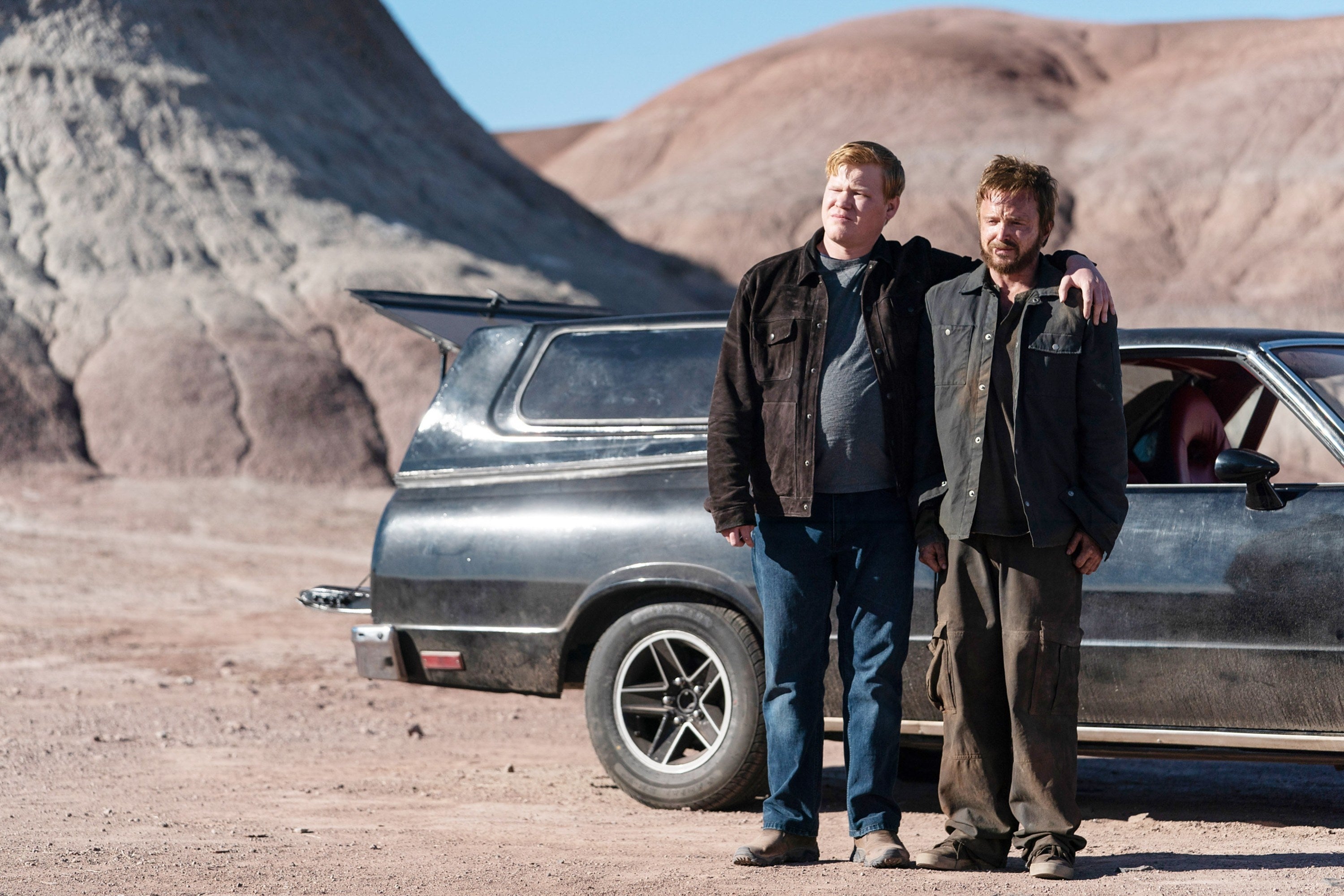
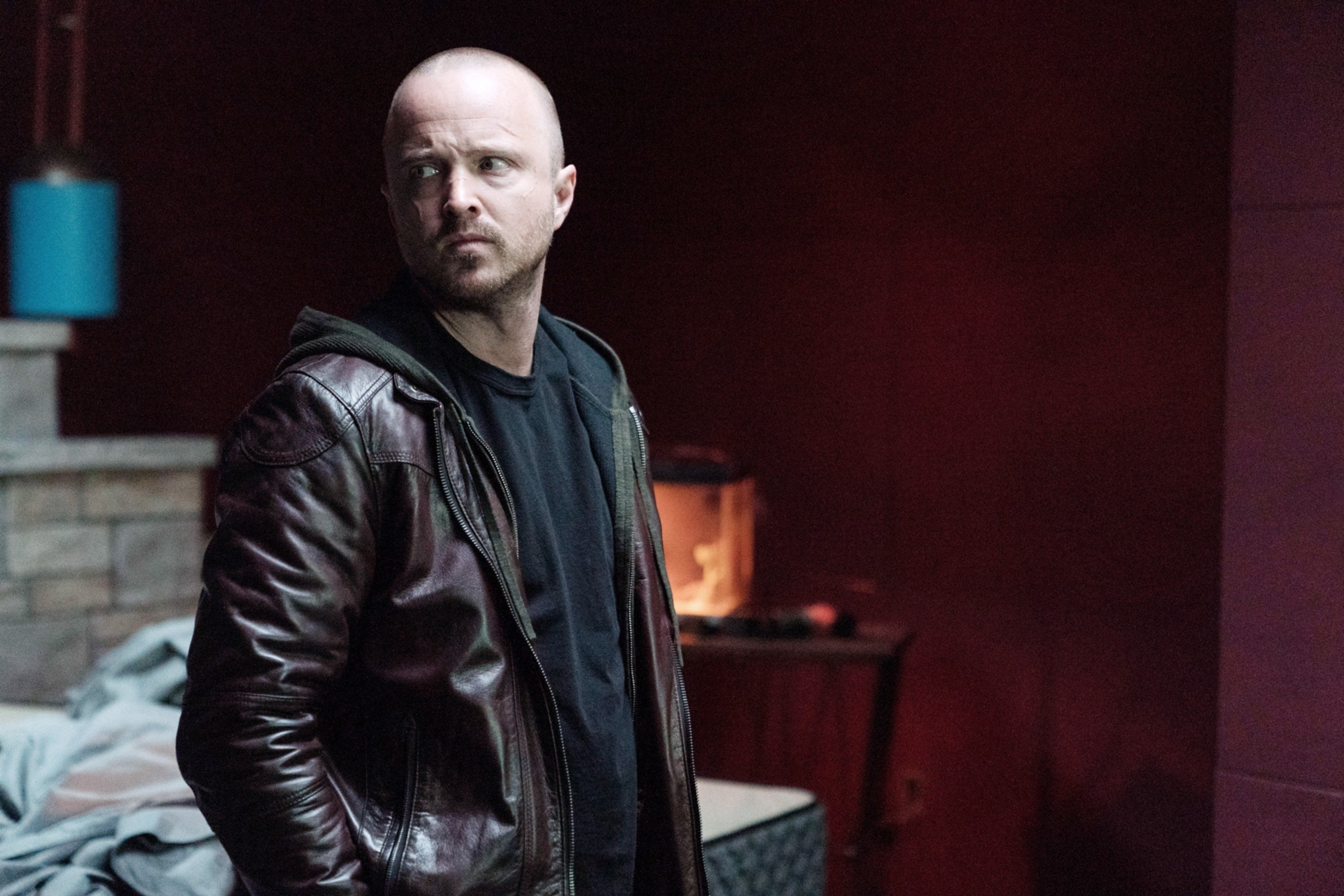
9. Vince Gilligan considered ending El Camino: A Breaking Bad Story on a far less upbeat note for Jesse Pinkman.
Netflix / courtesy Everett Collection
Gilligan told Entertainment Weekly that he considered having Jesse get caught by the police soon after he flees at the end of Breaking Bad. Gilligan said, "I didn’t get super far down the road, but it was probably going to be a young woman who needed some help. He was hiding out by the Canadian border, and this woman was working at a motel as a housekeeper or something." Naturally, Jesse's merciful instincts would get him caught.
Netflix / Courtesy Everett Collection
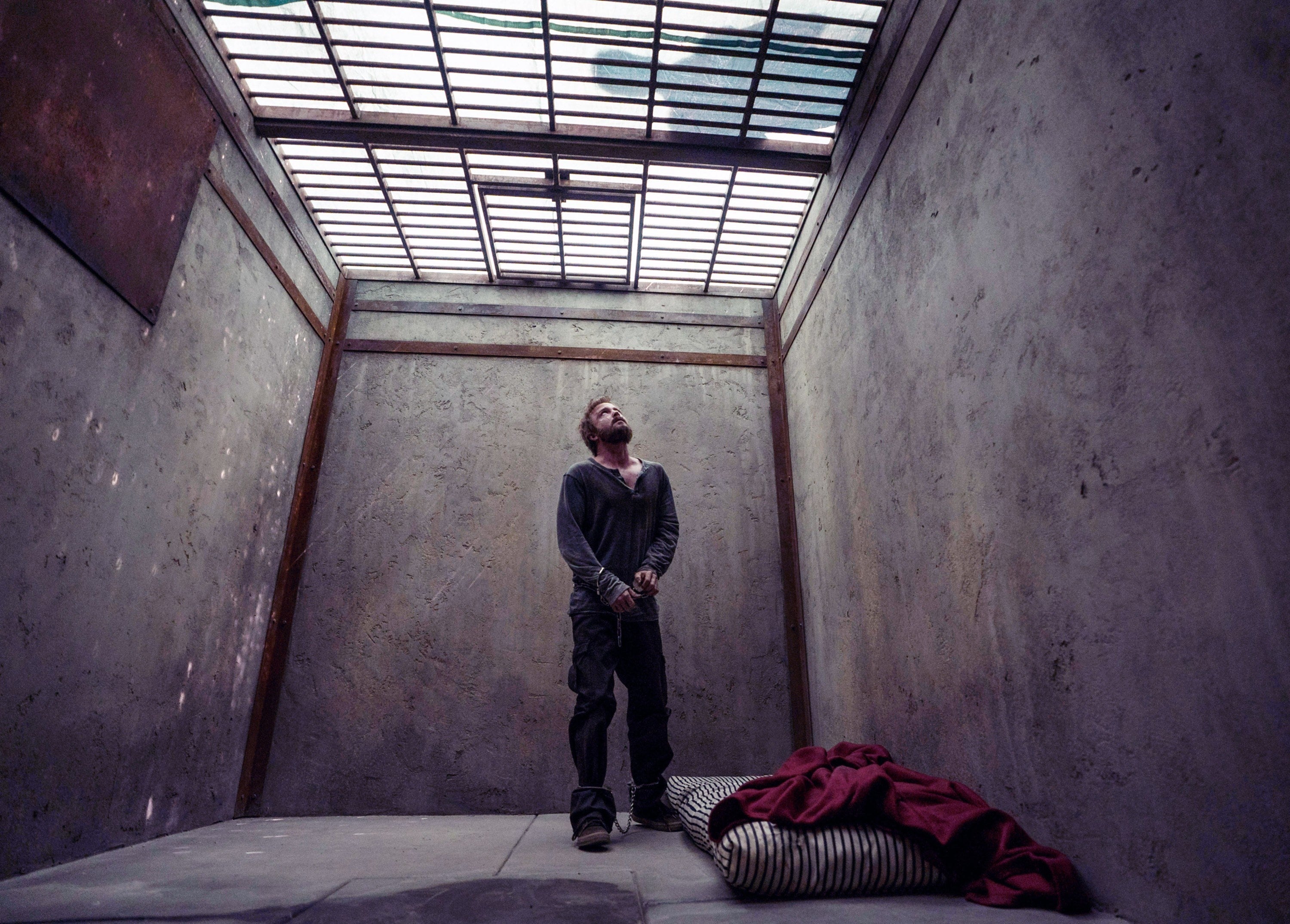
Gilligan went on, "And the last scene would be maybe him in a jail cell but at peace for the first time since the movie began. I think there was going to be this component where he couldn’t sleep. He wouldn’t get a single night sleep for a week or so upon escaping. The police are looking for him and he’s too haunted and he’s too adrenaline-charged. And at the end of the thing, he’s in a jail cell, and ironically he can fall asleep like a baby. And I thought, ‘Ah, that’d be kind of cool.'”
Netflix / courtesy Everett Collection
But when Gilligan shared the idea with Breaking Bad producers (and his girlfriend, Holly Rice), they were less than impressed. Gilligan said, "Everybody looked at me like I was absolutely insane: ‘You can’t have Jesse back in a cell at the end of the movie! People will tar and feather you!’ I’m glad I listened to them. I think there is a version of that movie that if perfectly executed would work, but I don’t know that I was the guy to pull it off. I’m glad I wound up doing it the way I did it.”
Netflix / courtesy Everett Collection
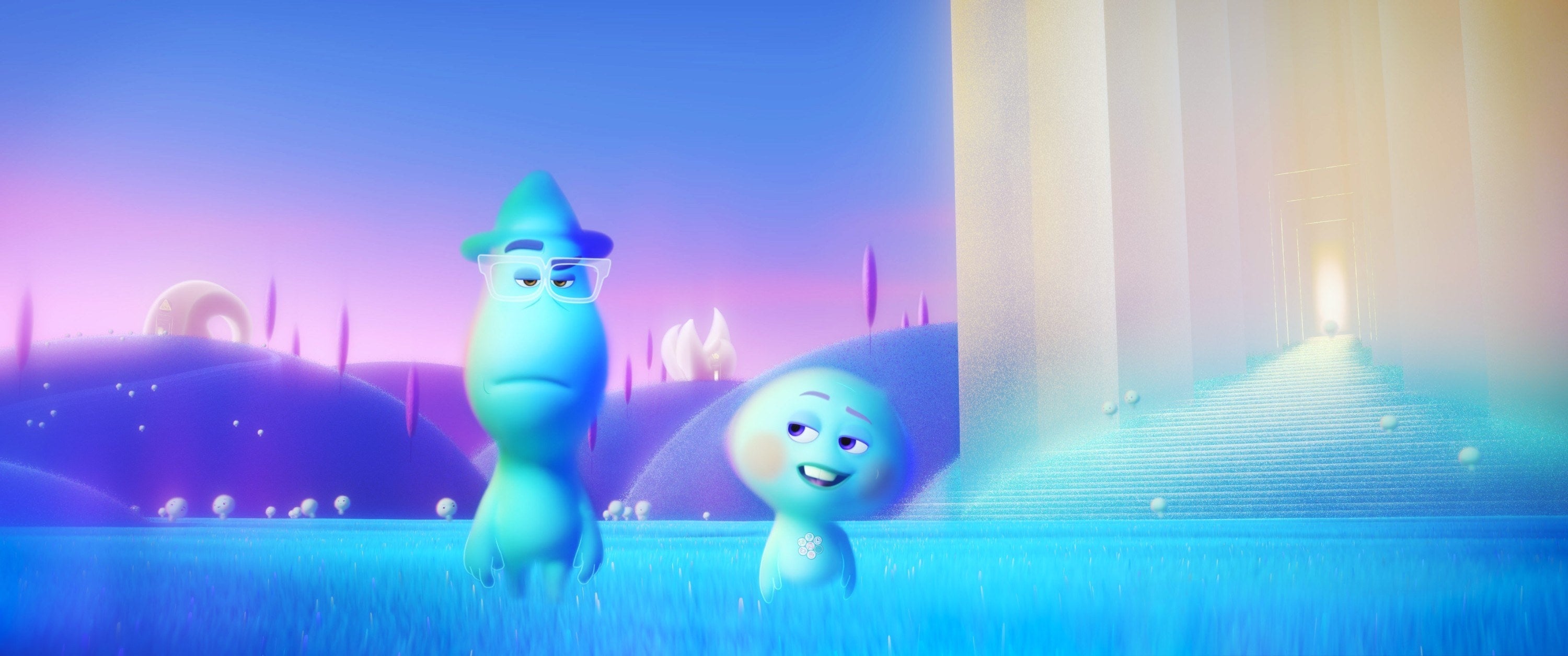
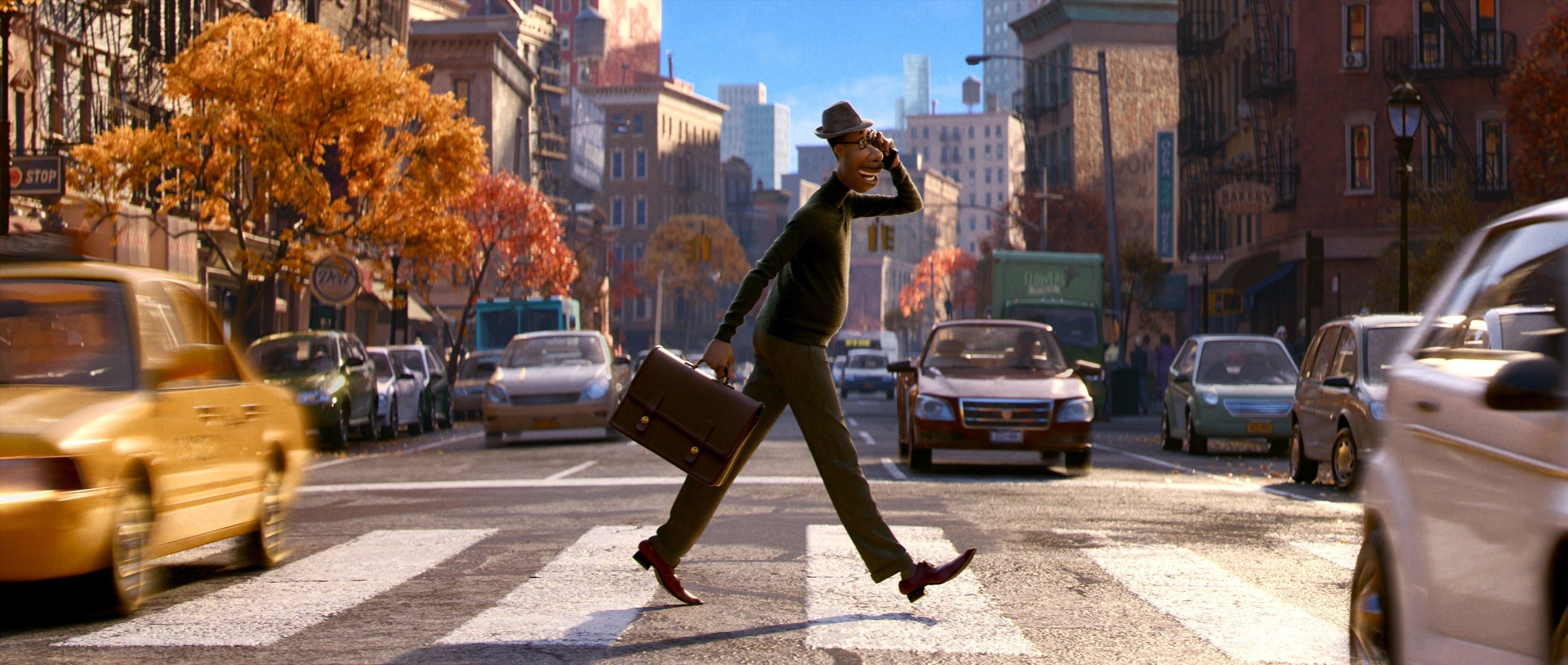
10. At the end of Soul, Joe Gardner is about to pass over into the Great Beyond, but at the very last minute, he is given a second chance at life in return for his guardianship of reluctant human-to-be 22. But there was some debate over whether or not Joe ought to return to Earth.
Disney+ / Courtesy Everett Collection
Producer Dana Murray told Entertainment Tonight, "We went back and forth on the ending up until the last screening. For a long time, Joe did go to The Great Beyond. There was a lot of debating back and forth, but I think the more we saw him live his life and just thinking about his mother, Libba, and all these different factors, it felt like the right ending, that he needed to be able to go enjoy his life in the way he wanted to, because he'd learned so much throughout the film. ... Because I think people felt like it's cheating to let him go back. On the other hand, story-wise, you can't teach this guy to enjoy life the right way and then rob him of that."
Walt Disney Studios Motion Pictures / Courtesy Everett Collection
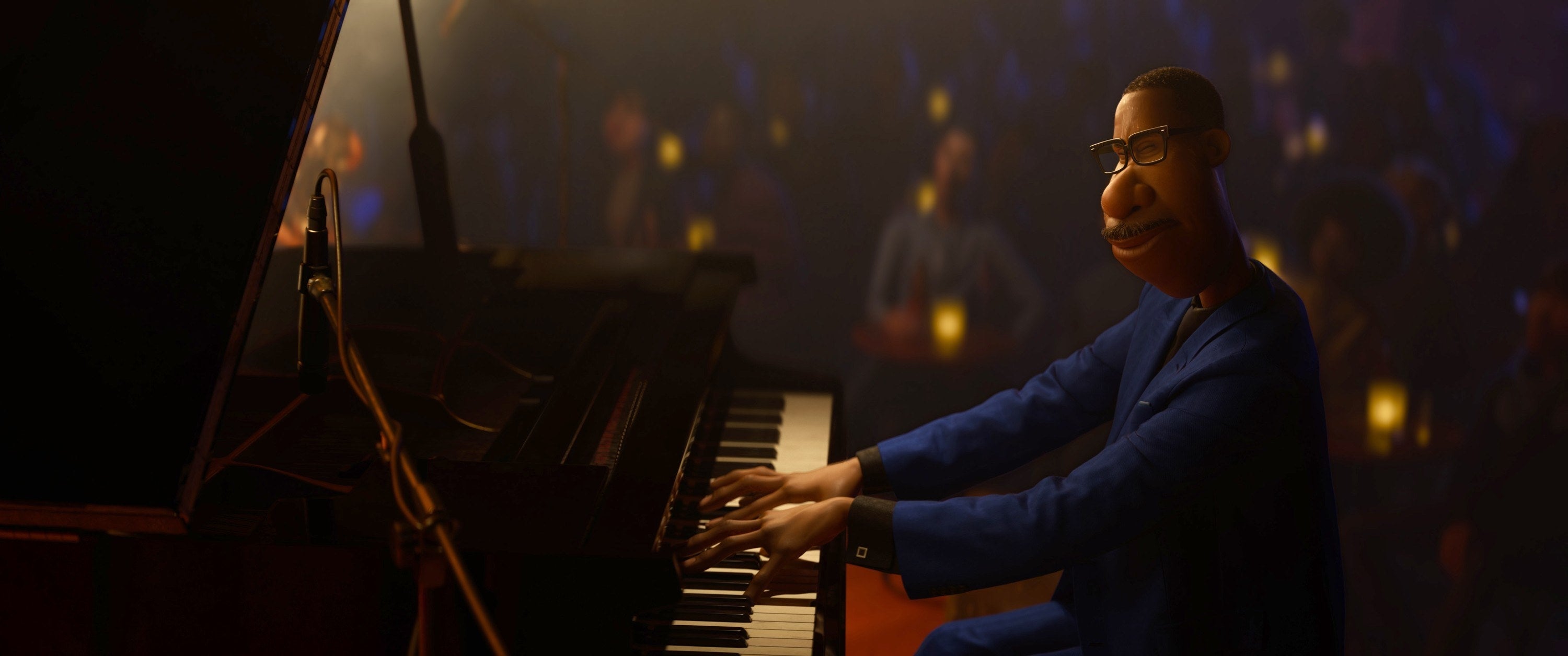
Co-director Kemp Powers added, "We have versions of the ending where Joe does not go back to his body, where he actually stays dead. We have versions of the ending where you see Joe on Earth a year later. Man, that ending sparked more debate than I think any other element of the film."
Walt Disney Studios Motion Pictures / Courtesy Everett Collection
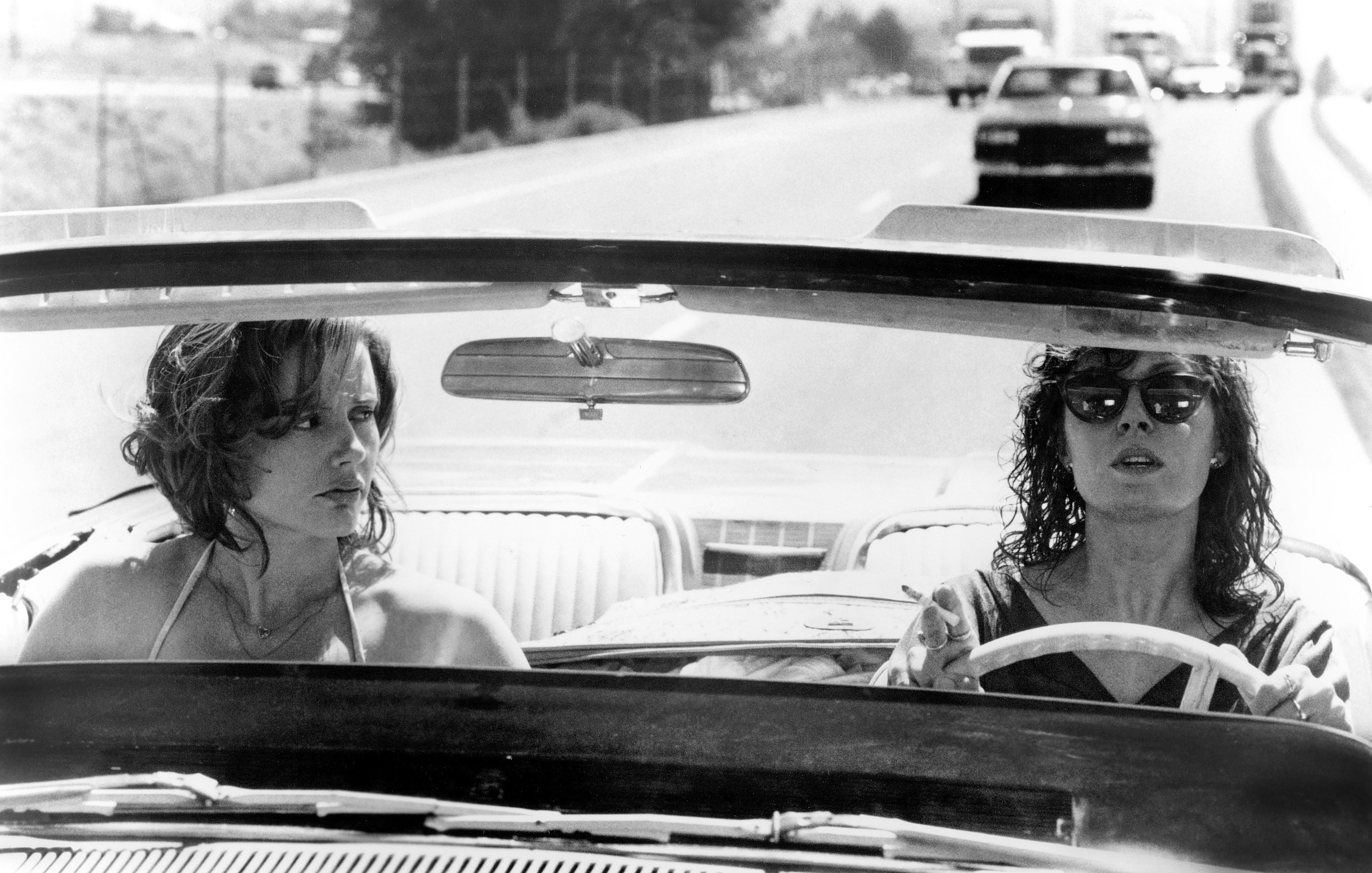
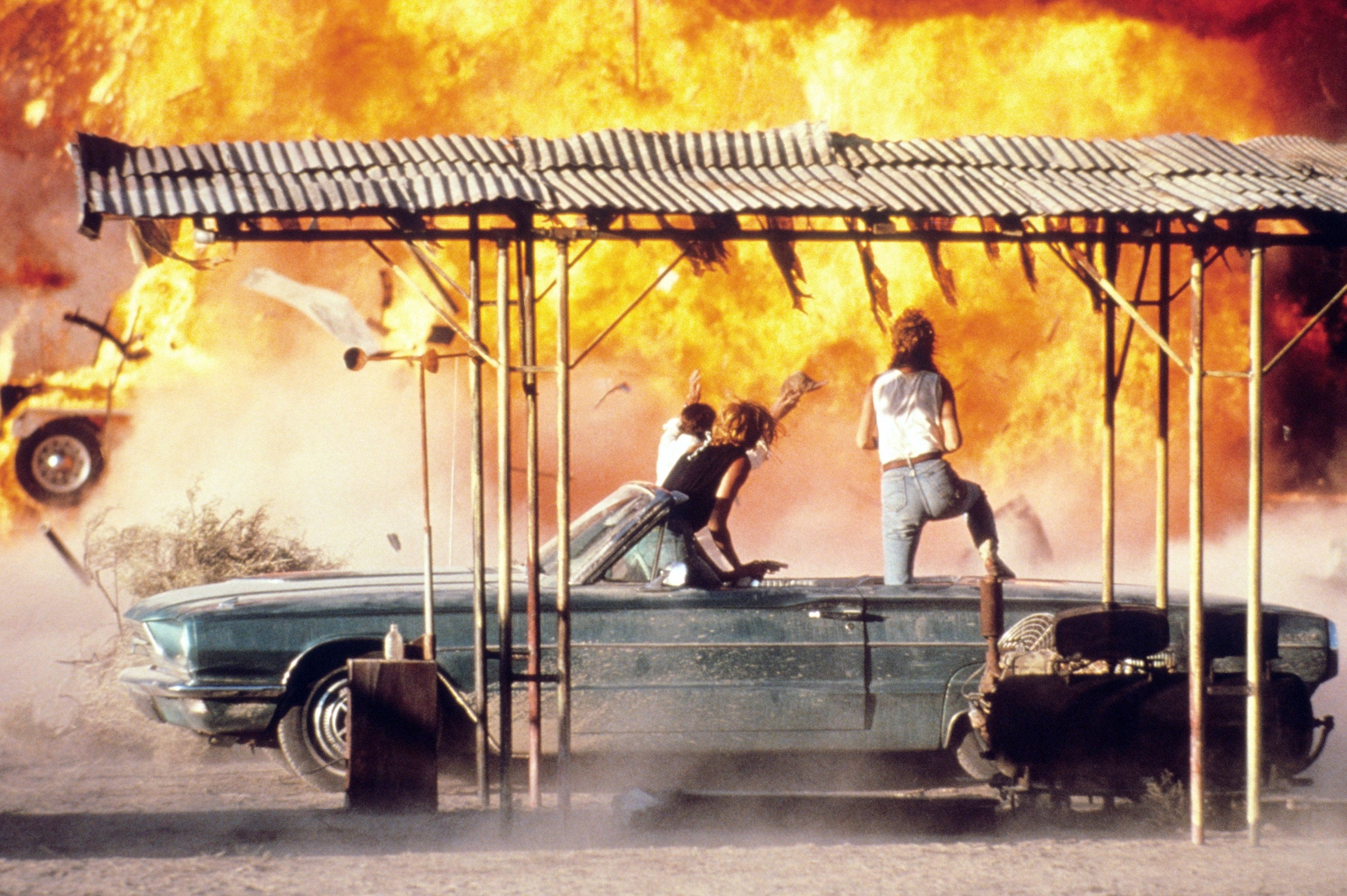
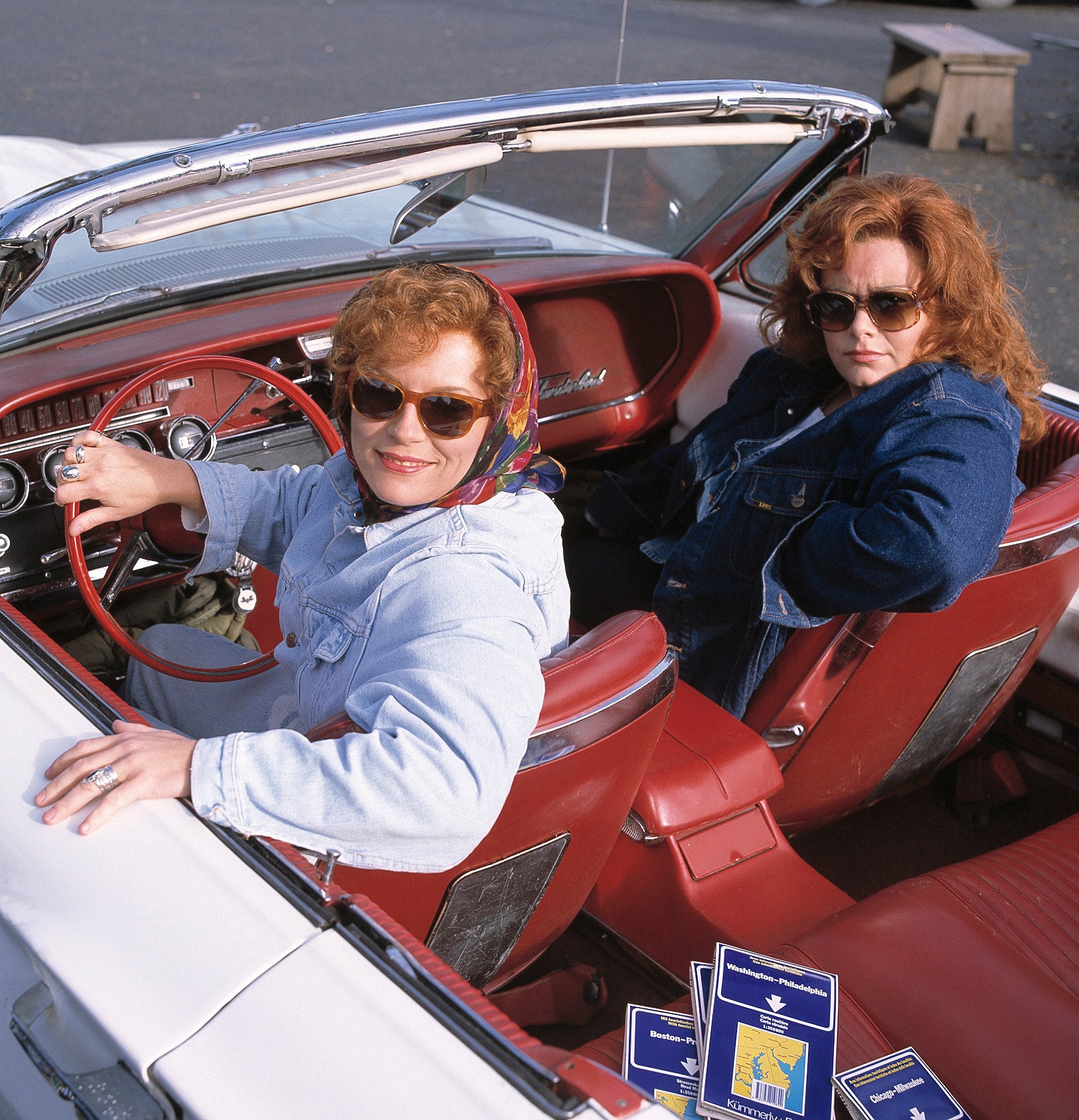
11. And finally: Thelma & Louise famously ends on a pre-catastrophe freeze frame, with the two best friends driving off of a cliff and into the cinematic sunset. But one alternate ending shot by director Ridley Scott followed that freeze frame through to its inevitable, and tragic, conclusion.
MGM / courtesy Everett Collection
According to Slate, the alternate ending shows the car dropping, and Harvey Keitel's character Hal looking over the edge of the cliff and into the wreckage.
MGM / courtesy Everett Collection
Despite the fact that "car landing" is a natural consequence of "car flying off a cliff," I think we can all agree that actually seeing it happen would've been a big ol' bummer.
BBC / Courtesy Everett Collection




 English (US) ·