
 4 years ago
7
4 years ago
7
ARTICLE AD BOX
"I didn’t really see anyone like myself ever represented on the screen.” —Lauren Ridloff
While the entertainment industry has made strides toward inclusivity over the last few years, onscreen representation for people with disabilities is still incredibly low.
BuzzFeed
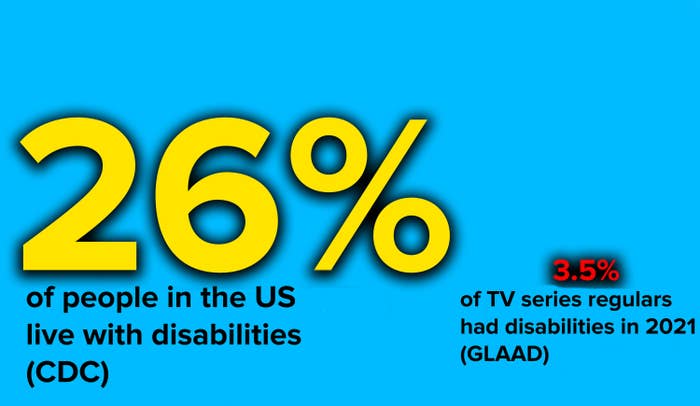
A GLAAD study found that, in the 2020–2021 season, 3.5% of series regulars on broadcast scripted series were characters with disabilities.
Additionally, Nielsen found that the representation of people with disabilities in media increased 175% in the past decade.
According to the CDC, one in four adults in the US live with a disability, and WHO reports that, globally, one billion people live with a disability.
Representation isn't just a numbers game, though — accurate portrayals of characters with disabilities and opportunities for performers with disabilities are key to good representation.
Disney / Via giphy.com
A survey conducted by the Center for Scholars & Storytellers at the UCLA Psychology Department found that “68% of women who have one or more disabilities reported wanting better quality representation, while 65% of men reported wanting more quantity representation.”
"An estimated 95% of available roles are portrayed by talent without a disability," according to Lauren Appelbaum, the vice president of communications and entertainment and news media at RespectAbility.
However, there are many actors, influencers, and industry professionals joining the call for more and better representation of people with disabilities.
Here are 24 famous people who called out Hollywood for the way it represents people who are disabled:
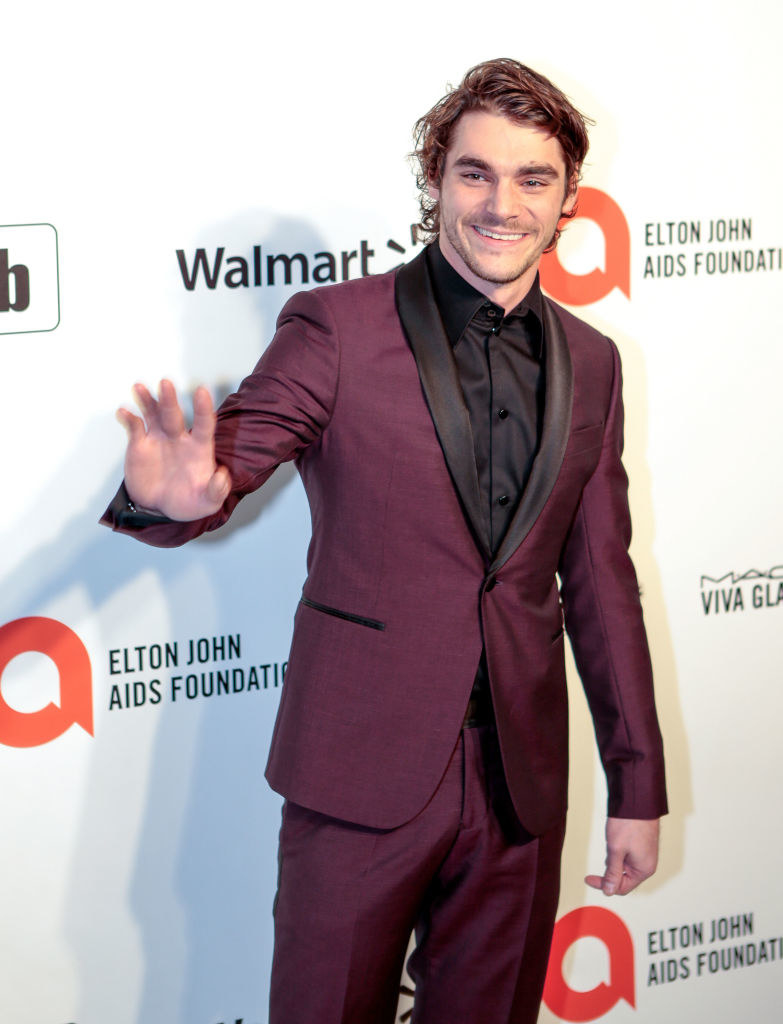
1. RJ Mitte said that accessibility concerns on set should be a "joint effort" because "this is not just for people with disabilities who are actors or performers."
Pa - Pa Images / PA Images via Getty Images
He told IndieWire, "This is for every performer."
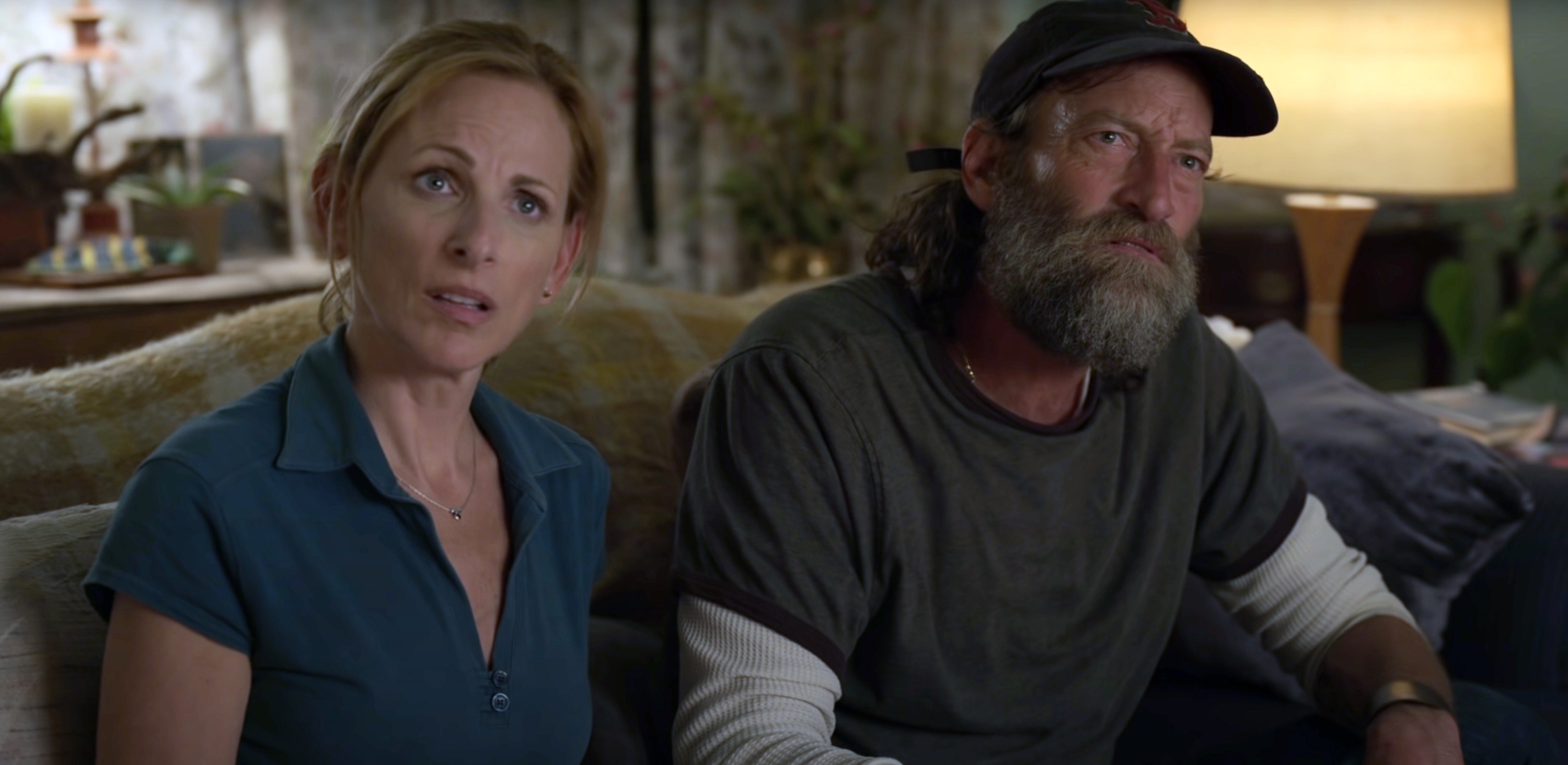
2. When the studio wanted to cast a hearing actor as Frank Rossi, one of several characters who are deaf in CODA, Marlee Matlin said, "If you do, I'm just out, that's it. I can't see any actor putting on the costume of being deaf. We are not costumes to put on, not any longer."
Apple TV+ / Courtesy Everett Collection
She told USA Today, "I've seen so many times in this industry where hearing actors take on the role of deaf characters. We've had enough of that. It's time for myself and other deaf actors to be able to speak up and say, enough is enough. We are here. Our talents are valid."
The role went to Troy Kotsur, whom Matlin described as "a master of sign language improv."
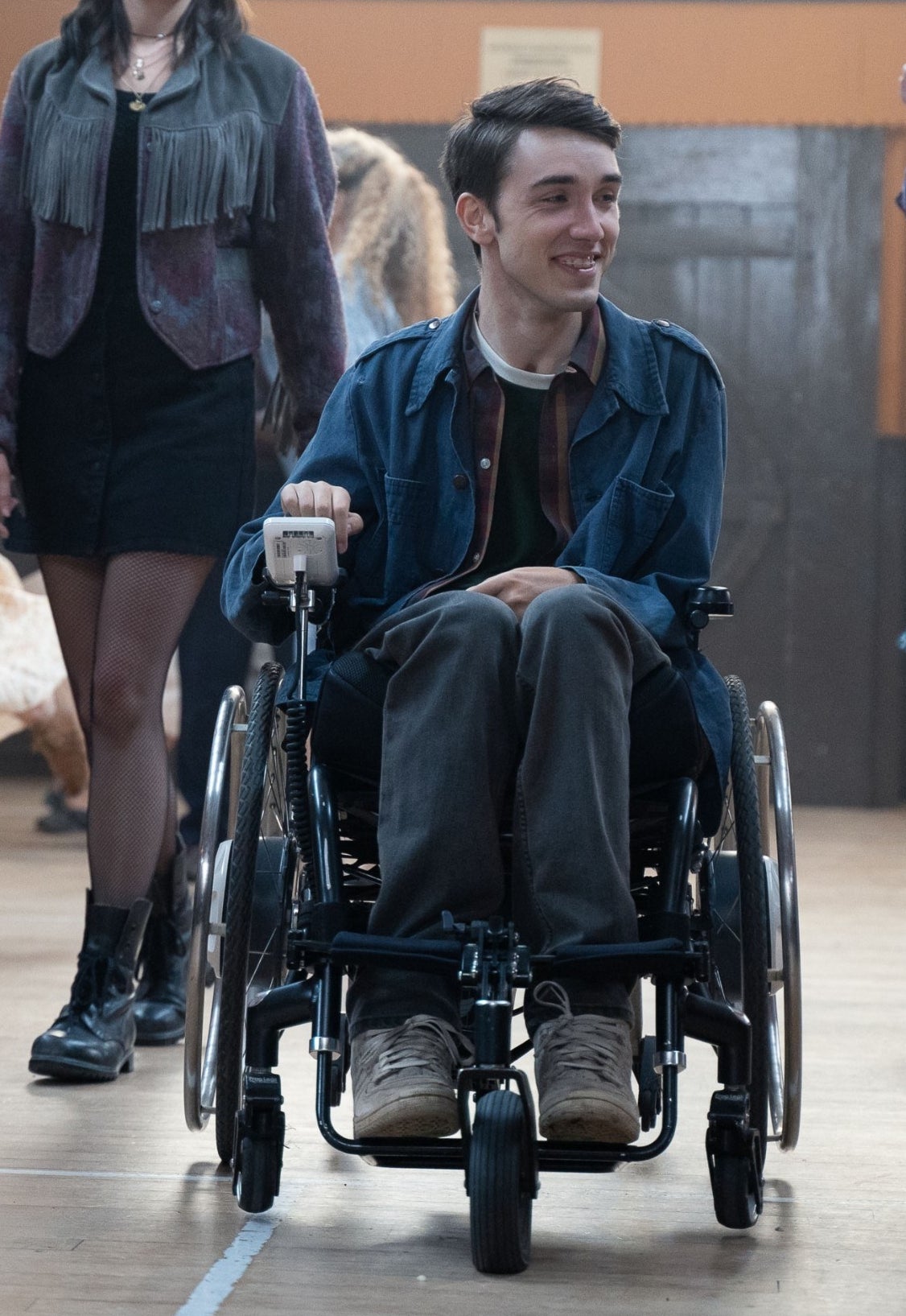
3. George Robinson, who plays Isaac on Sex Education, relishes subverting the expectations audiences have for characters with disabilities to be "saintly."
Netflix / Courtesy Everett Collection
He told the BBC, "The feedback I've got from within the disability community is that it's really refreshing to see someone who is so comfortable within themselves and not questioning their existence."
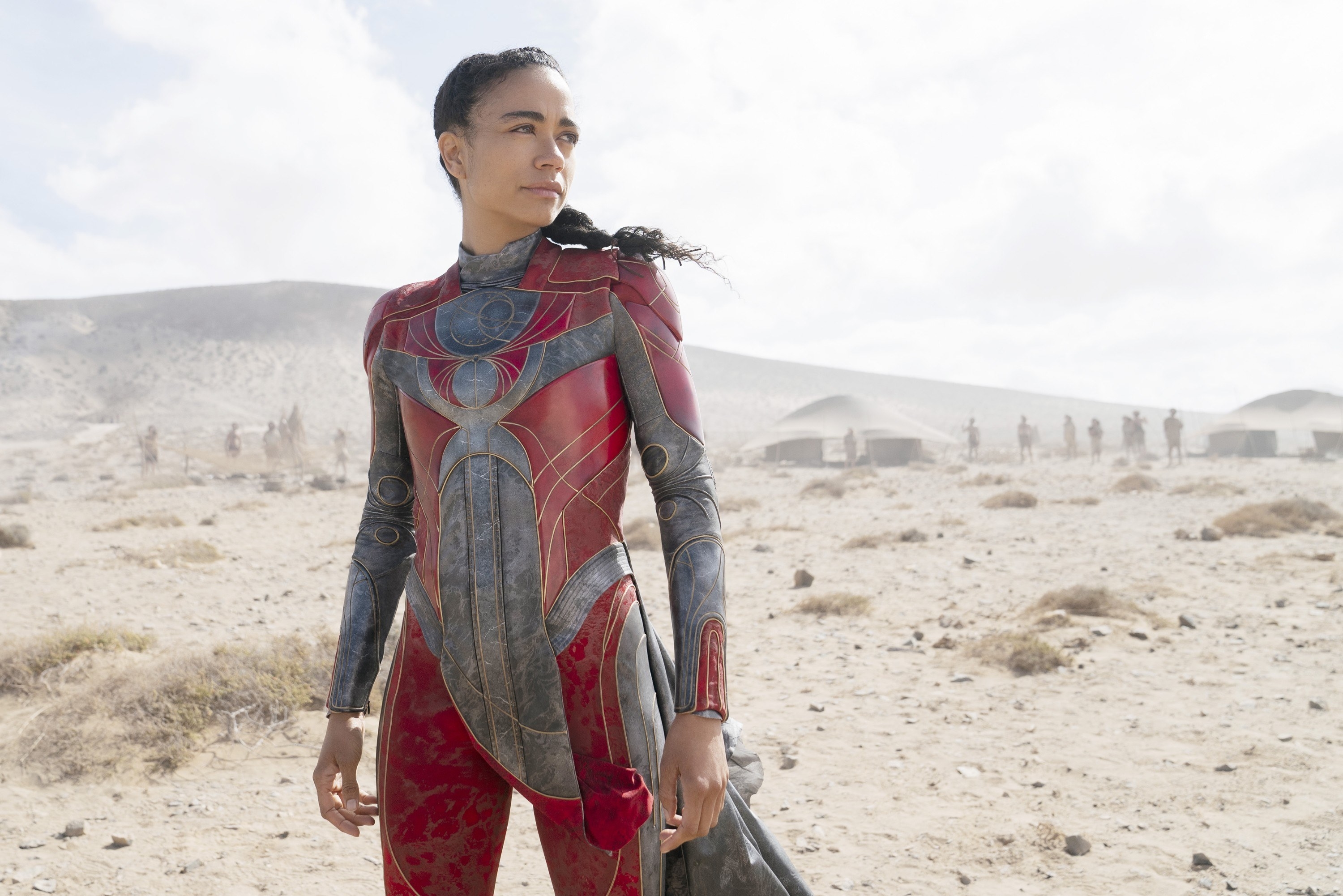
4. Lauren Ridloff, who played the first deaf superhero in Eternals, cried tears of joy the first time she watched the movie because "I didn’t really see anyone like myself ever represented on the screen.”
Sophie Mutevelian / © Walt Disney Studios Motion Pictures / © Marvel Studios / Courtesy Everett Collection
She told Variety, "It felt like it was a lifetime of waiting. ... It was definitely life changing. And I hope that this has the same impact on different communities, people who have been marginalized or are underrepresented in this industry.”
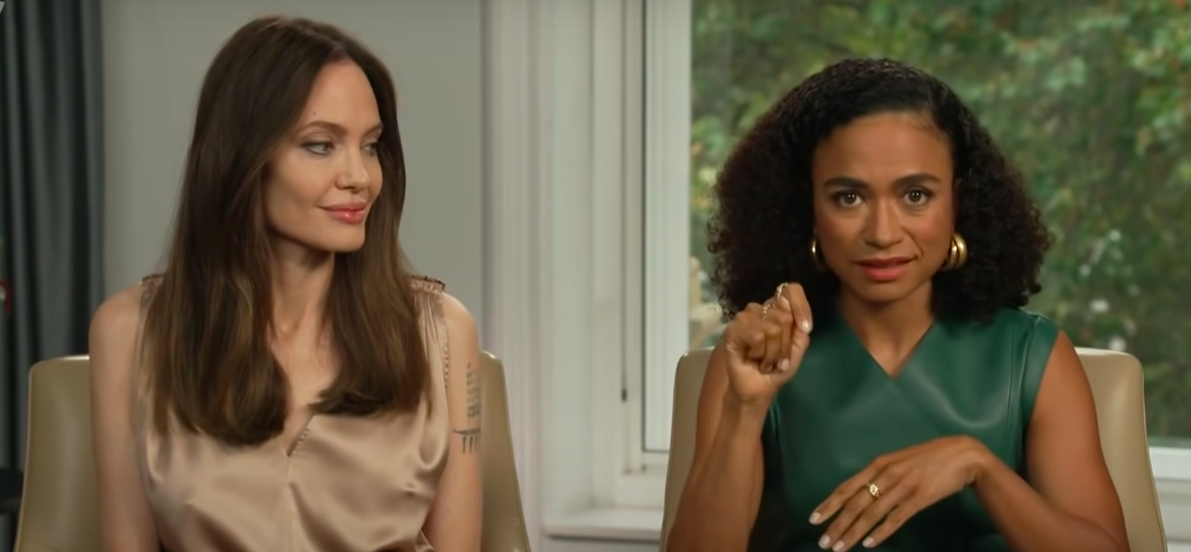
5. When Ridloff shared her frustrations over not being able to receive cues from her interpreter when she had to film facing a wall, her Eternals costar, Angelina Jolie, came up with a solution — using a laser pen that could be erased in post-production.
ITV / Via youtube.com
Ridloff told the New York Times, "It was an 'Aha, wow' moment. Whenever I'm looking at a wall, the interpreters would use a laser pen to make a circle on the wall — 'rolling, rolling, rolling' — and once it went away that meant, 'Action!'"
On Lorraine, she said, "Now I incorporate that into my daily arsenal on set on other projects that I work on."
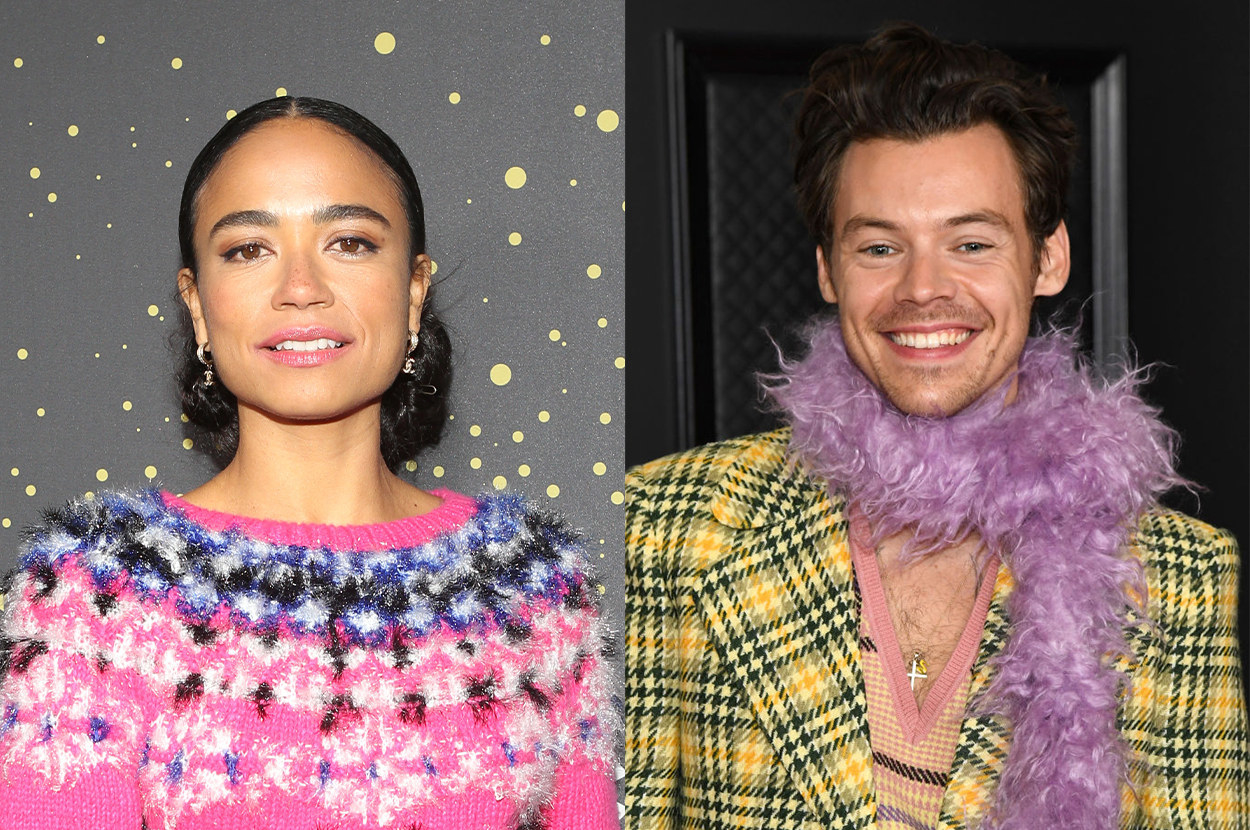
6. When Ridloff had to film another Eternals scene with her eyes closed, costar Harry Styles asked her if he could tap her shoulder to signal when they stopped filming so she wouldn't have to wait for her interpreter to run onto the set.
Udo Salters/Patrick McMullan via Getty Images / Kevin Mazur / Getty Images for The Recording Academy
She told Entertainment Weekly, "I was like, 'Yeah, thank you!' That's just who Harry is: He just watches out, and he thinks: 'What can I do?'"
7. In an essay for the Hollywood Reporter, Alex Barone called out the fact that "it can seem for disabled actors like the only characters we can play are characters who solely talk about their disability — or whose lives revolve around their disability as if that is the totality of their existence, when in fact it’s one of the most minor parts of our conversations and our lives."
amandapeixotoelkins / Via Instagram: @alexjbarone
He wrote, "There are still so few breakthrough examples of authentic portrayals of people with disabilities in film and TV. That’s why I’m proud that in Hulu’s upcoming series Dopesick, I play a guy, Tucker, who happened to lose fingers in an accident and jokes about it with his doctor, played by Michael Keaton. Dopesick‘s writers didn’t make Tucker’s disability a sad character trait but rather just a part of his story."
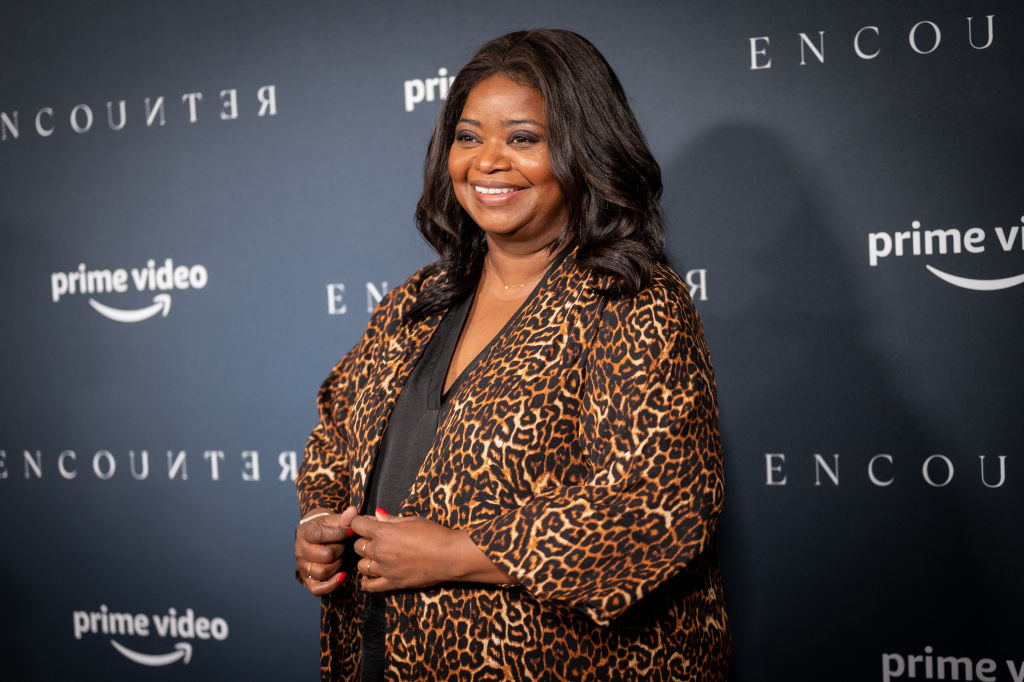
8. In a video for the disability advocacy organization the Ruderman Family Foundation, Octavia Spencer said, "Nothing can replace lived experience and authentic representation. ... That's why it's imperative that we cast the appropriate actor for the appropriate role, and that means people with disabilities as well."
Emma Mcintyre / WireImage / Via Getty
She continued, "Casting able-bodied actors in roles for characters with disabilities is offensive, unjust, and deprives an entire community of people from opportunities."
9. During a panel organized by the Academy of Motion Picture Arts and Sciences, Maysoon Zayid said that "it would be really helpful to have a disabled (Disney) princess" because "the message being sent out to disabled kids is you do not belong in this world."
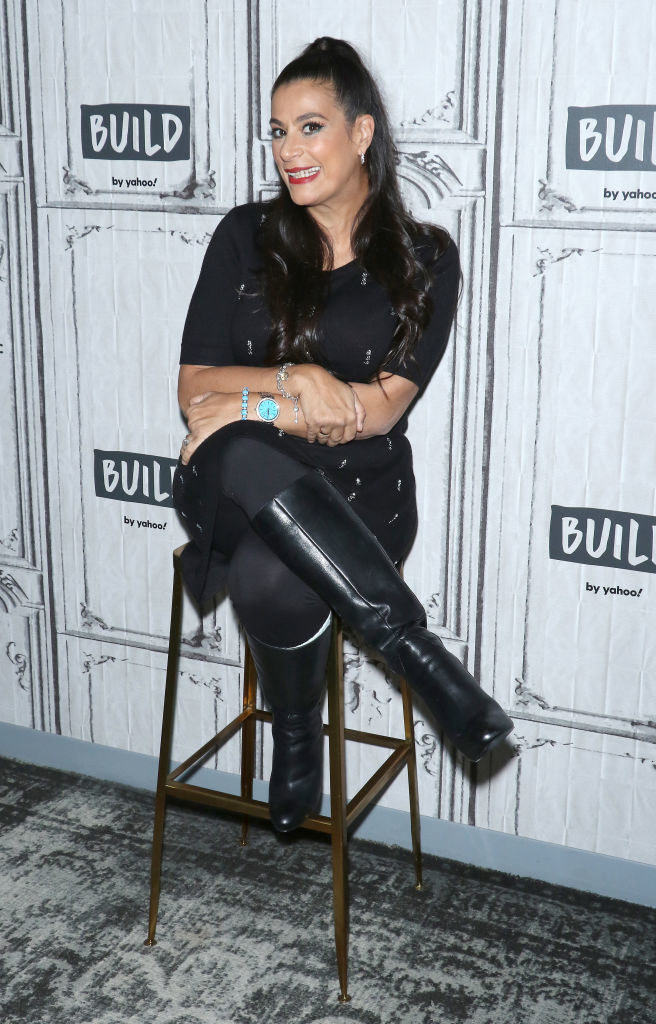
Jim Spellman / Getty Images
She continued, "People with disabilities face enormous amounts of bullying, violence, and discrimination. Positive images of disability can stop that.”
10. Zayid also recalled that, on the set of You Don't Mess with the Zohan, she wasn't able to access her trailer on her own, but "Adam Sandler saw and said, ‘What is happening? Make her trailer accessible!'”
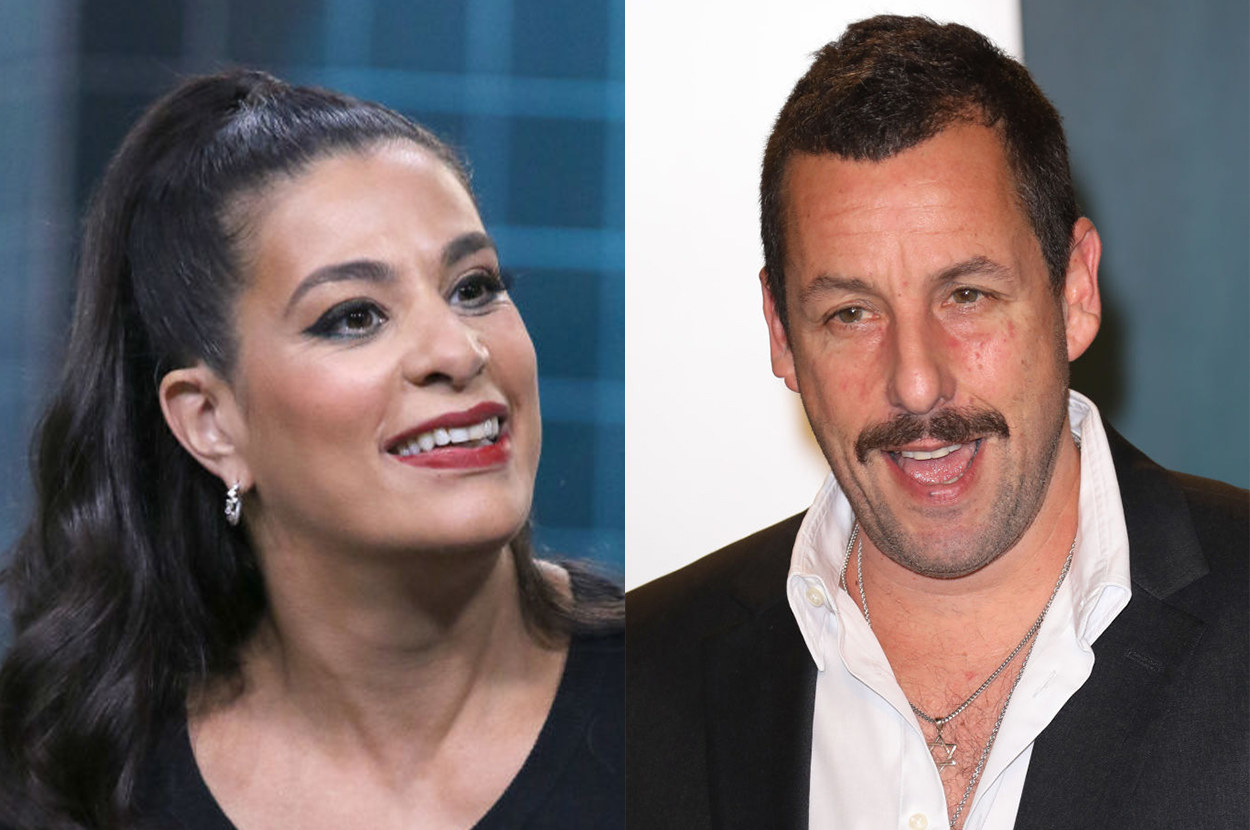
Jim Spellman / Getty Images / Toni Anne Barson / WireImage / Via Getty
She said that she told him she didn't "want to be high-maintenance," but "he said, ‘Look around, we’re in Hollywood.’"
11. Alaqua Cox, who plays Maya Lopez in Hawkeye, said, "The deaf community is in huge support of this role because they want to see deaf people represented in these deaf roles. ... Most of the time, it's hearing people that take these roles, but finally, authentic representation is here."
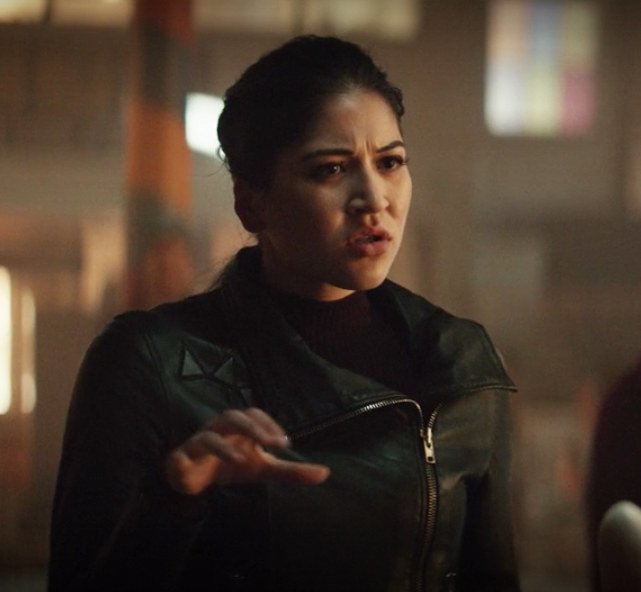
Marvel / Via Disney+
She also told Entertainment Weekly, "People with a disability like me can do anything: We can fight, we can flip, we can fall...I'm excited for people to say, 'Wow, she can do that?'"
12. On her first day on the Hawkeye set, Cox was extremely nervous because it was her first professional acting job, but when her costars Jeremy Renner and Hailee Steinfeld greeted her in ASL, it comforted her.
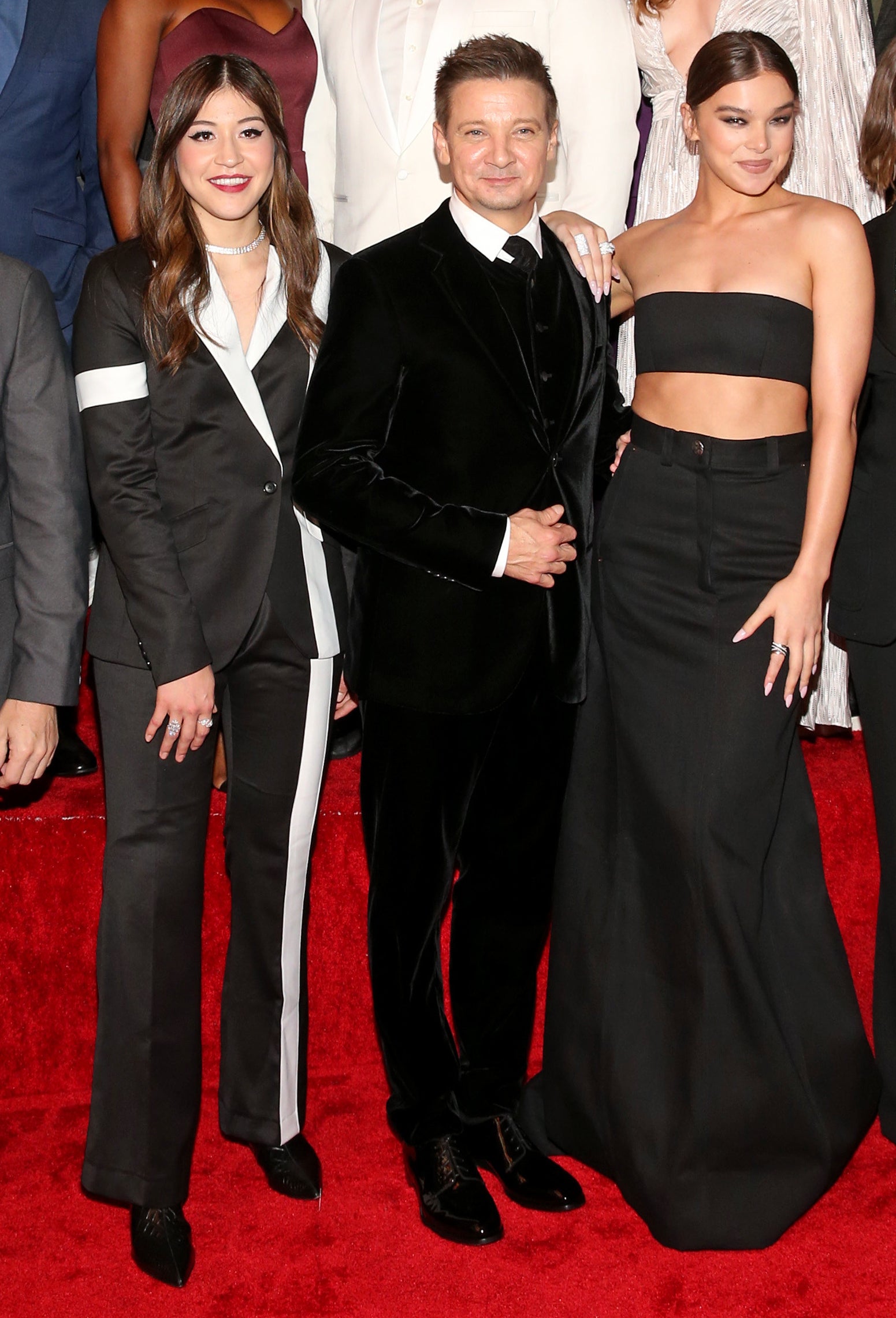
Jesse Grant / Getty Images for Disney
She told Disney's D23 magazine, "I thought it was sweet of them putting in efforts to learn basic ASL to communicate with me. It means a lot to me as a Deaf person."
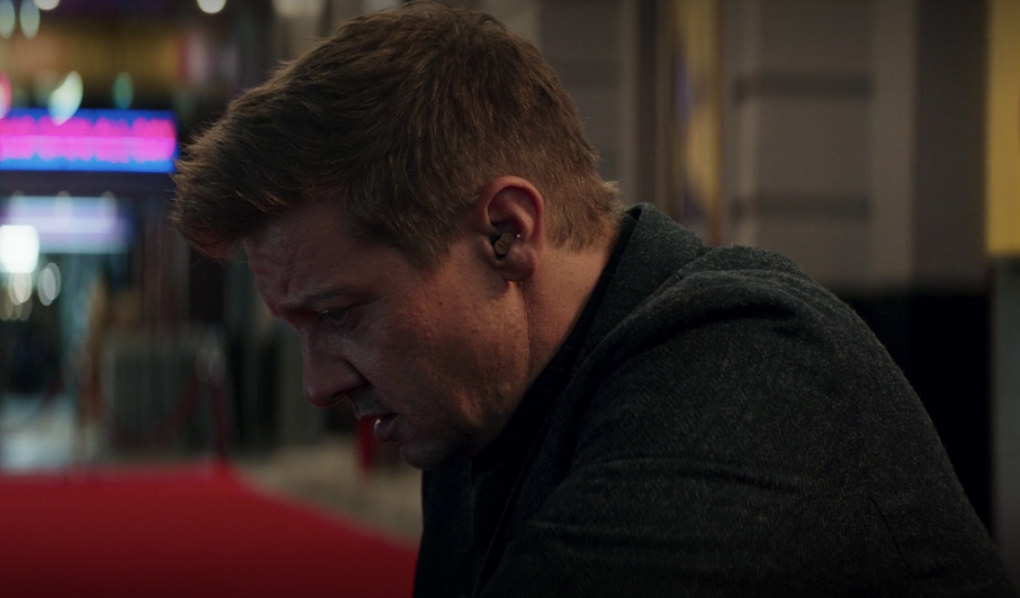
13. Jeremy Renner, who is hard of hearing like his character Clint Barton, said that introducing Clint's hearing aids in Hawkeye is "a really wonderful thing" because "a lot of that's in my life" and "it’s always been a part of Clint’s character in the comics."
Marvel / Via Disney+
At a Hawkeye press conference, he continued, "We found a way to make it a truthful entry point for his life and how it affects his life."
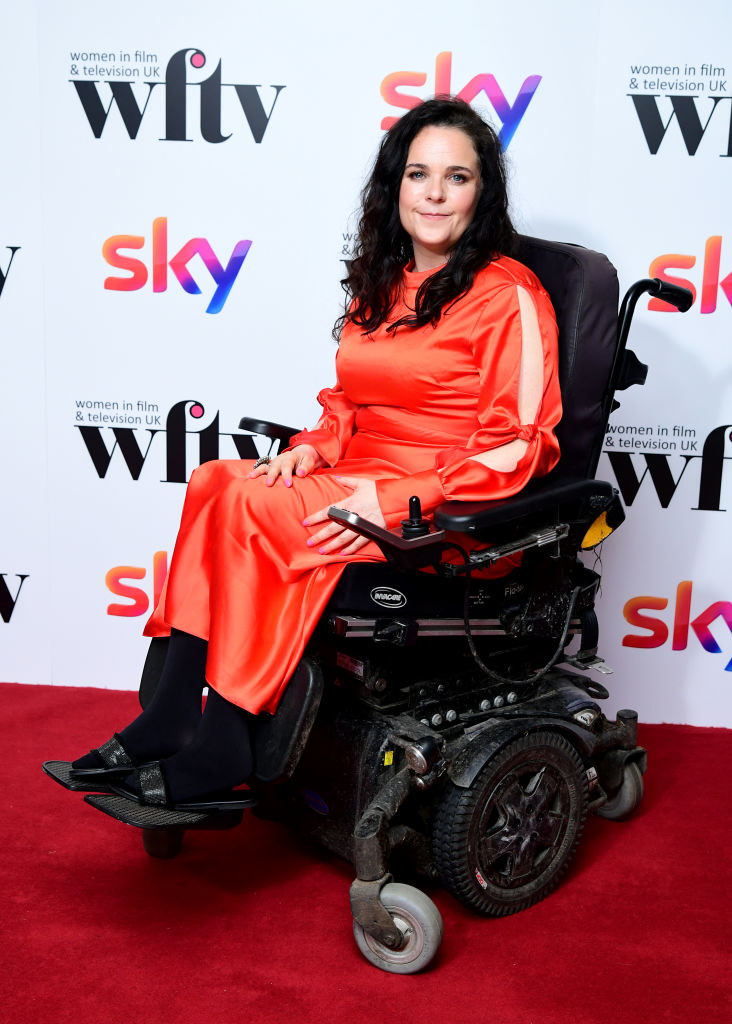
14. Coronation Street's Cherylee Houston said that she once got through the first round of auditions for an unnamed production, only to be dropped when a producer found out she used a wheelchair.
Ian West - Pa Images / PA Images via Getty Images
She told the Mirror, "[The producer] said they wouldn’t be able to fly me to where they were filming, because of insurance."
15. YouTube creator Jessica Kellgren-Fozard uses her platform to educate others about the problematic ways movies and other media have represented people with disabilities.
16. When writer/director Sia made excuses for casting Maddie Ziegler as the lead in Music instead of an autistic actor, Paige Layle, an autistic actor and influencer, said, "I think that the least [Sia] could do is show that autistics deserve to be in the workplace and can be in the workplace."
@paigelayle / Via Instagram: @paigelayle
Layle told CBC Kids News, "If you're making a movie for autistics, there should be no excuse as to why the main character isn't autistic.”
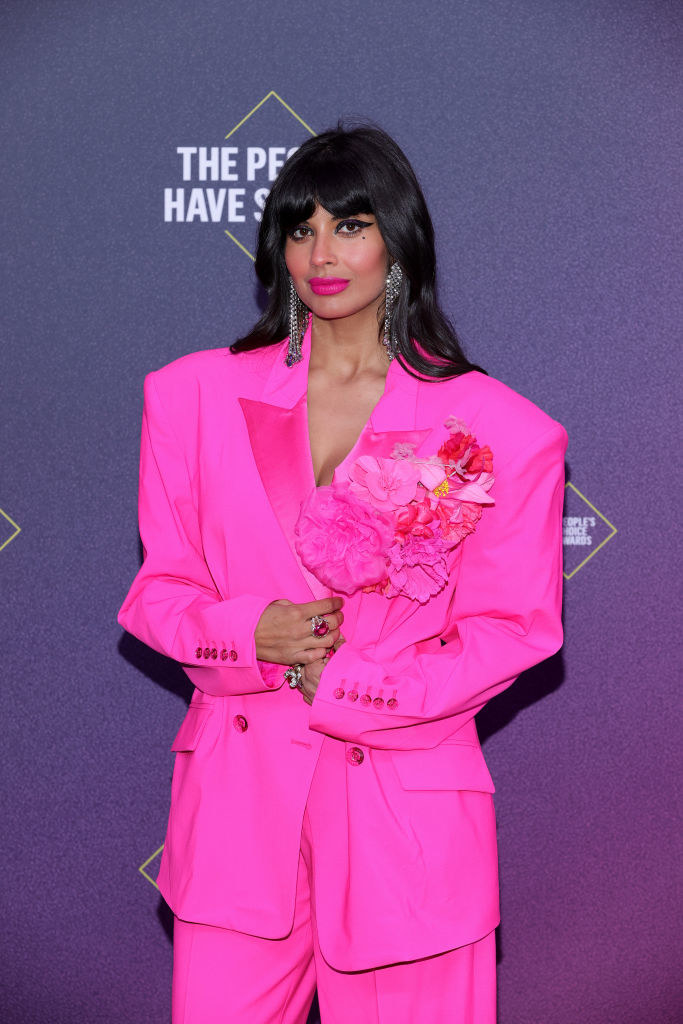
17. Jameela Jamil turned down a role as a woman who is deaf because "it wouldn’t be appropriate for me to take that role, and they should find a brilliant deaf woman to play that role."
Rich Polk / NBCU Photo Bank via Getty Images
She told the Press Association, "I think you have to make those choices and not be too greedy and make space rather than take space...I don’t want to be part of erasure.”
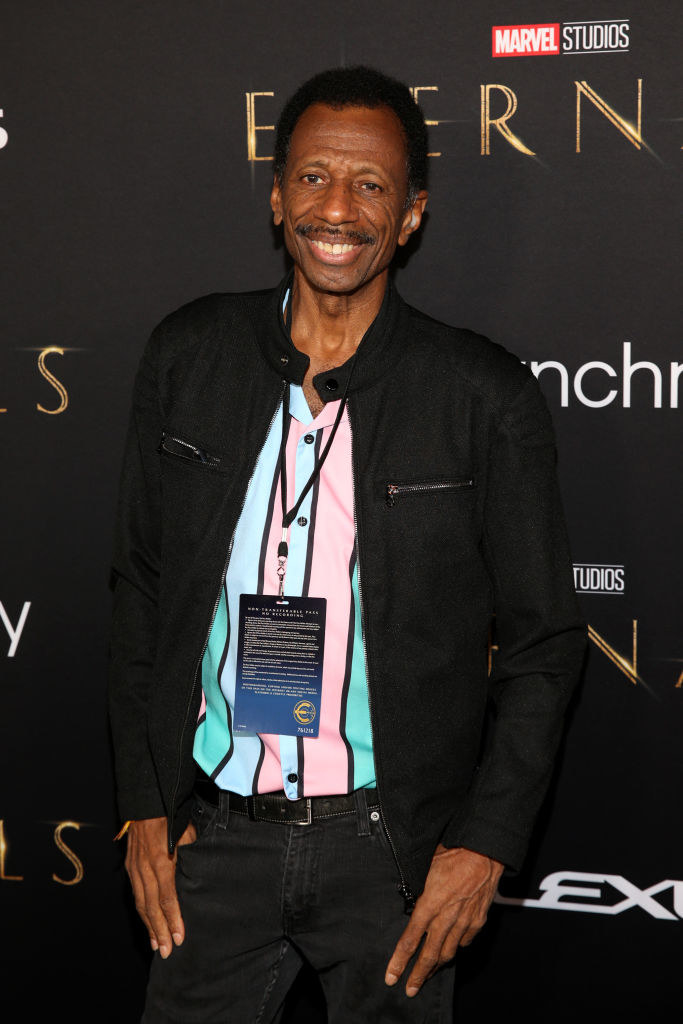
18. On a SAG-AFTRA panel, CJ Jones said that, even though “authenticity is happening more and more now," with movies like Godzilla vs. Kong casting actors with disabilities as characters with disabilities, "these roles are still coming about and it’s really still below the line with working with disabled people in the industry."
Jesse Grant / Getty Images for Disney
He continued, "We’re trying to get up to par to where we need to be.”
19. A Quiet Place director/actor John Krasinski pushed to cast Millicent Simmonds, who is deaf, as Regan Abbott, who is also deaf.
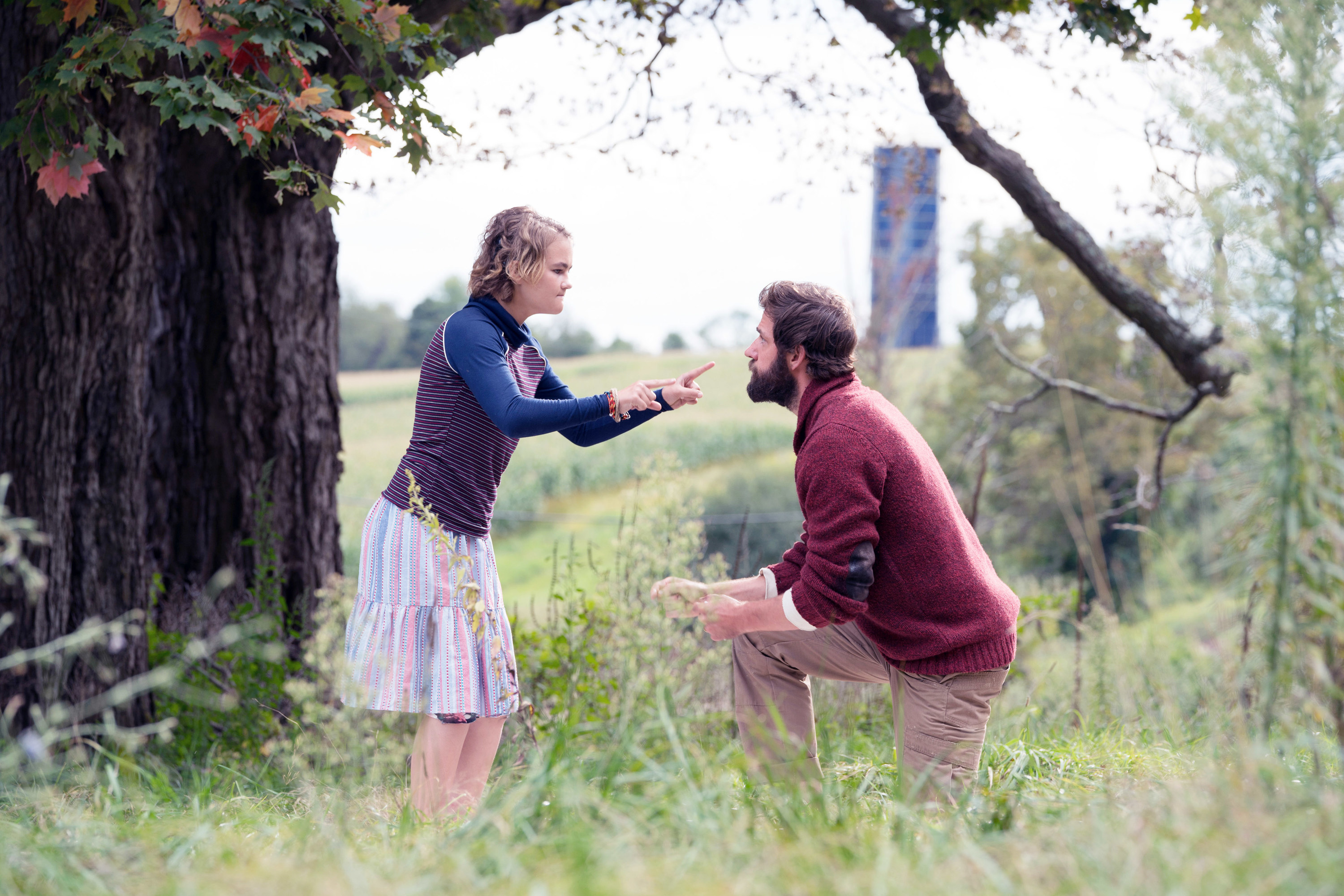
Photo Credit: Jonny Cournoyer / ©Paramount/Courtesy Everett Collection / Everett Collection
Co-screenwriter Scott Beck told the Hollywood Reporter, “[Simmonds] came to set and taught everyone sign language. It was really amazing and brought an extra depth to the film.”
Krasinski told Variety, "I was writing a movie about a family who had a deaf child, and I know nothing about that. I needed someone to walk me through, ‘What do you feel when you wake up in the morning to be the only person who can’t hear in your family?'”
20. Lauren Potter, who played Becky Jackson on Glee, said that including a character with Down syndrome on the show "was a brilliant idea" because "it tells Americans that it’s really good to have a daughter or son who has Down syndrome."
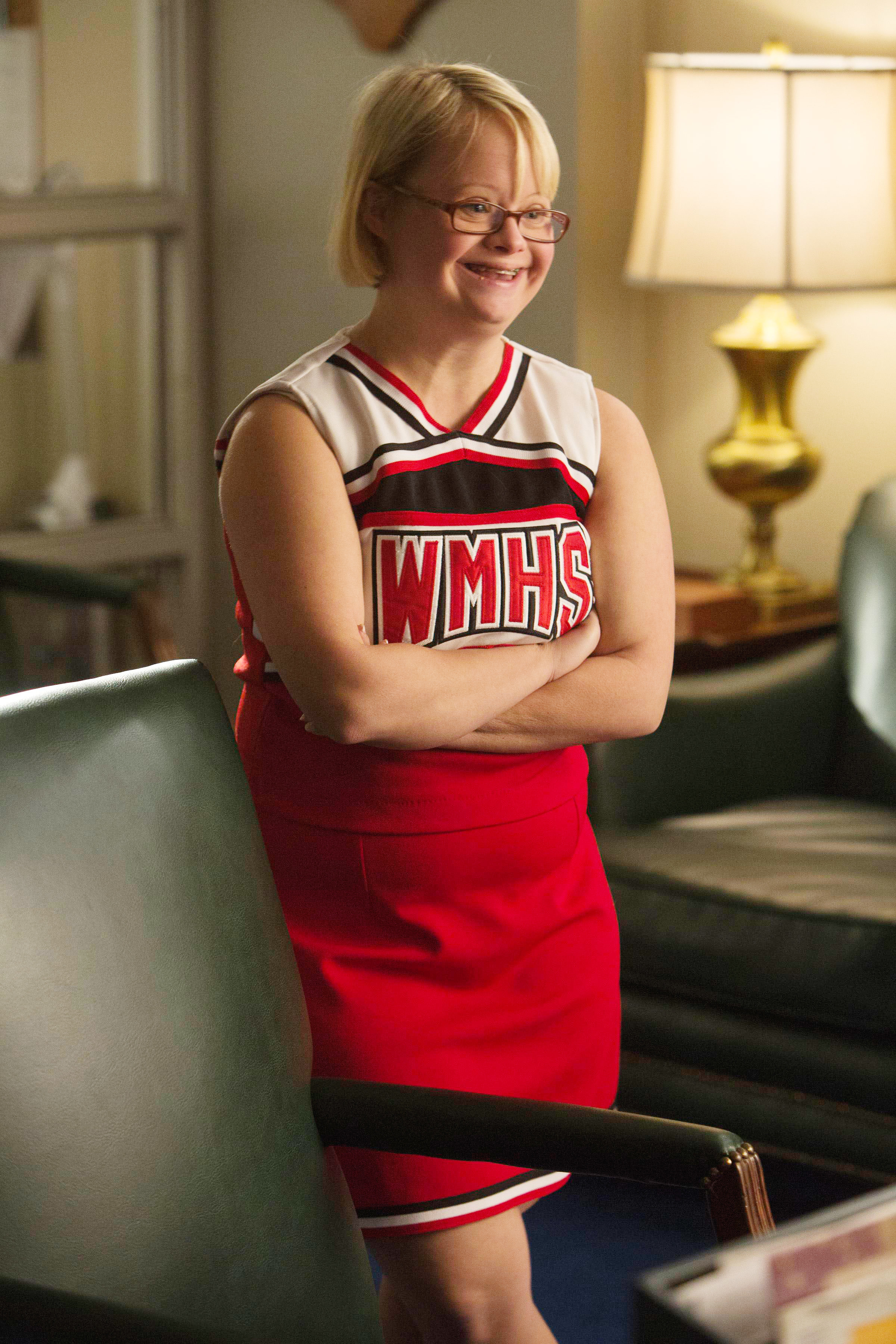
20thcentfox / ©20thCentFox/Courtesy Everett Collection
However, what bothered her about the show's portrayal was when other characters would sometimes stare at her. She told Disability Scoop, "The cast doesn’t do that, but some of the characters on the show act a little rude to Becky, like 'why are you hanging out with that girl?'"
21. In response to criticism that her evil character in The Witches could perpetuate negative stereotypes about people with limb differences, Anne Hathaway apologized on Instagram, writing, "As someone who really believes in inclusivity and really, really detests cruelty, I owe you all an apology for the pain caused...I particularly want to say I'm sorry to kids with limb differences: now that I know better I promise I'll do better."
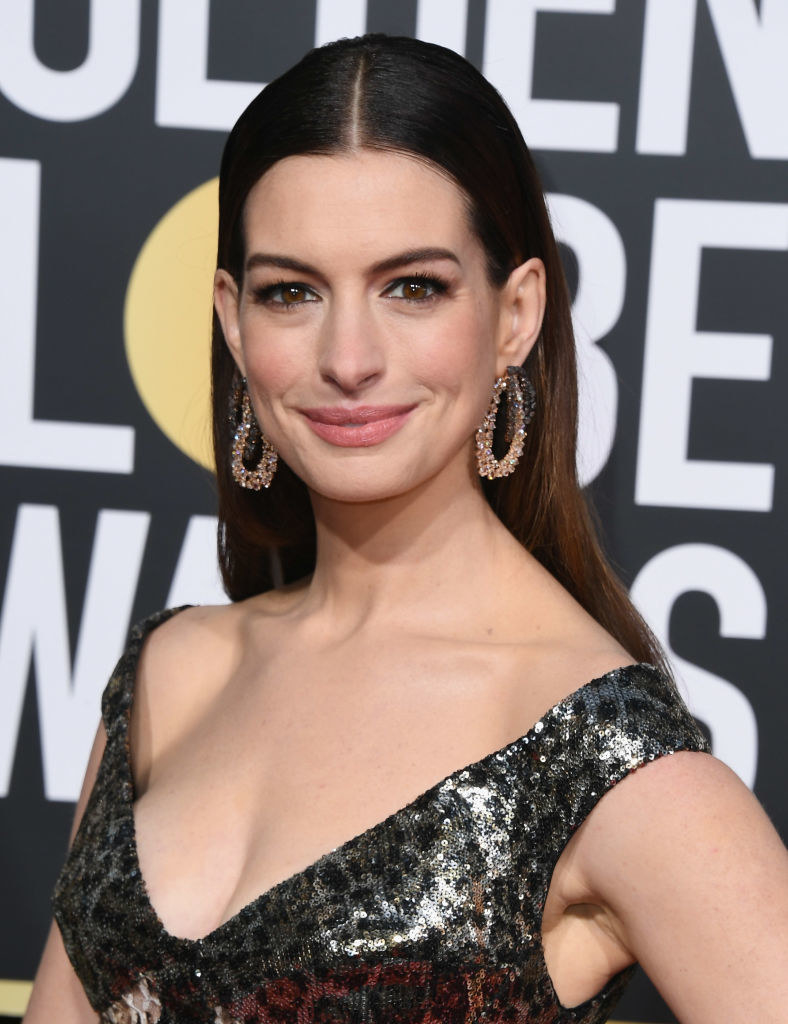
Jon Kopaloff / Getty Images
She also highlighted the Lucky Fin Project, a nonprofit organization that raises awareness for those affected by limb differences, and the #NotAWitch hashtag, which people used to share their personal experiences living with limb differences.
22. Writer and disability advocate Hannah Diviney started an online petition encouraging Disney to create a princess with disabilities to "give millions of children around the world the invaluable chance to see themselves having adventures, rich, full lives, and being the hero of their own stories."
@hannahthewildflower / Via Instagram: @hannahthewildflower
In her open letter to Disney, she wrote, "Beyond that, you’d also be providing a powerful reference point for non-disabled children to understand us and our lives. You would actively be creating a culture of tolerance, acceptance, empathy and understanding to replace fear, confusion and the seeds of bigotry that are often unconsciously sowed when we are confronted with something different that is hard to understand."
Reese Witherspoon signed and promoted the petition on her Hello Sunshine platform. Other celebrities, including Sterling K. Brown and Martha Hunt, also signed.
23. Keely Cat-Wells, the founder of the agency C Talent and Zetta Studios, organized an open letter urging every major motion picture company to add disability officers to their leadership teams in order to "advance the seamless integration of the disabled community in all areas of an organization and make fundamental changes to dated practices based around the Social Model of Disability."
@keely_cat_wells / Via Instagram: @keely_cat_wells
More than 80 celebrities, including Amy Poehler and Naomie Harris, signed the letter in support of the initiative.
24. And finally, Call the Midwife's Sarah Gordy said that her dream is "to get a role on TV as [just a] woman, not a ‘Downs syndrome’."
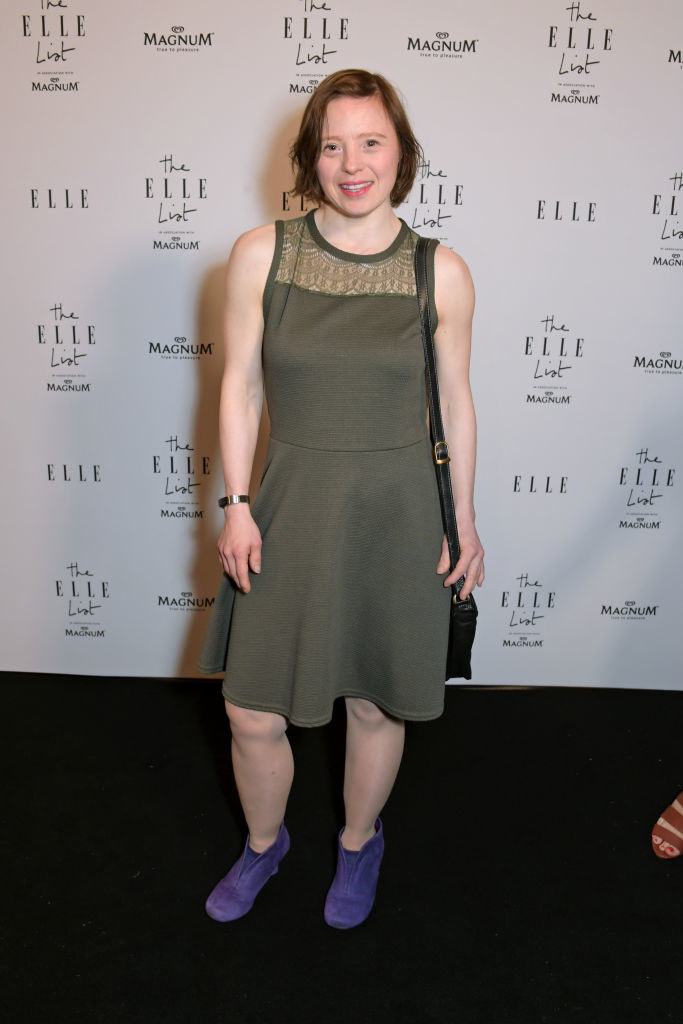
David M. Benett / Dave Benett / Getty Images for Hearst Magazines
She told Downs Side Up, "I have played complicated characters on stage and the critics liked it, but TV is conservative."




 English (US) ·